The Odyssey
of My Electrons
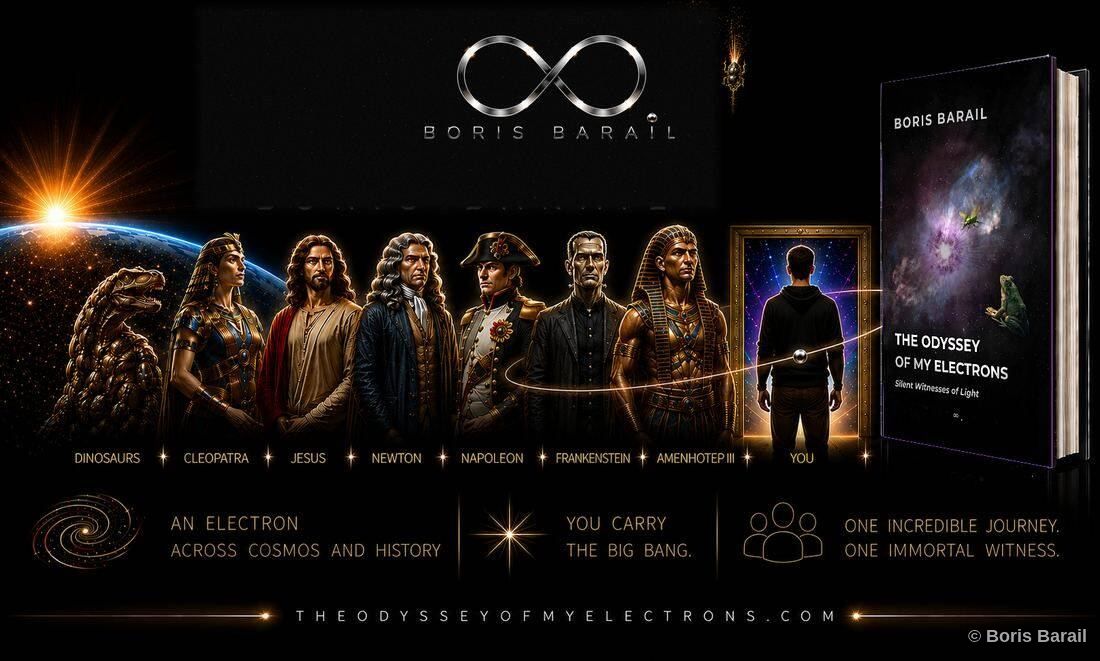
An electron. Across cosmos and history.
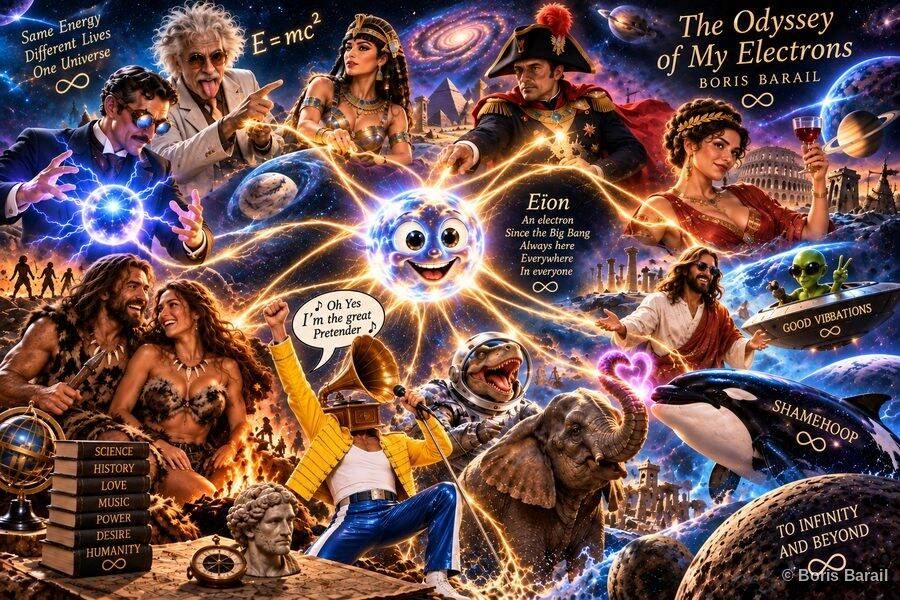
From the Big Bang to Cleopatra, from Napoleon to the person reading this sentence — one indestructible particle carries the story of everything it has ever touched.
Choose your edition
L'Odyssée de mes électrons
Les témoins silencieux de la lumière
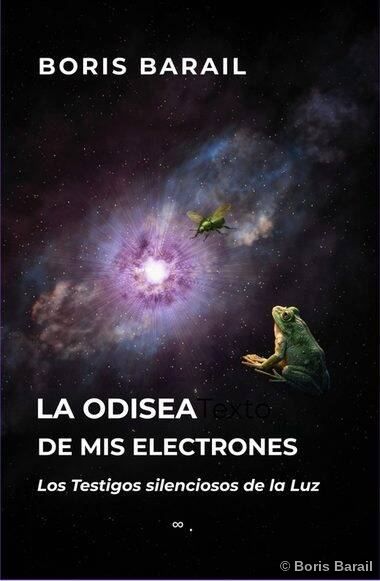
La Odisea de mis Electrones
Los testigos silenciosos de la luz
Comprar el libroYou carry the Big Bang.
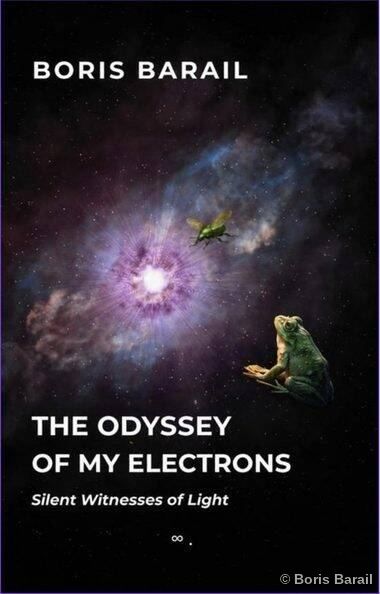
L'Odyssée de mes électrons
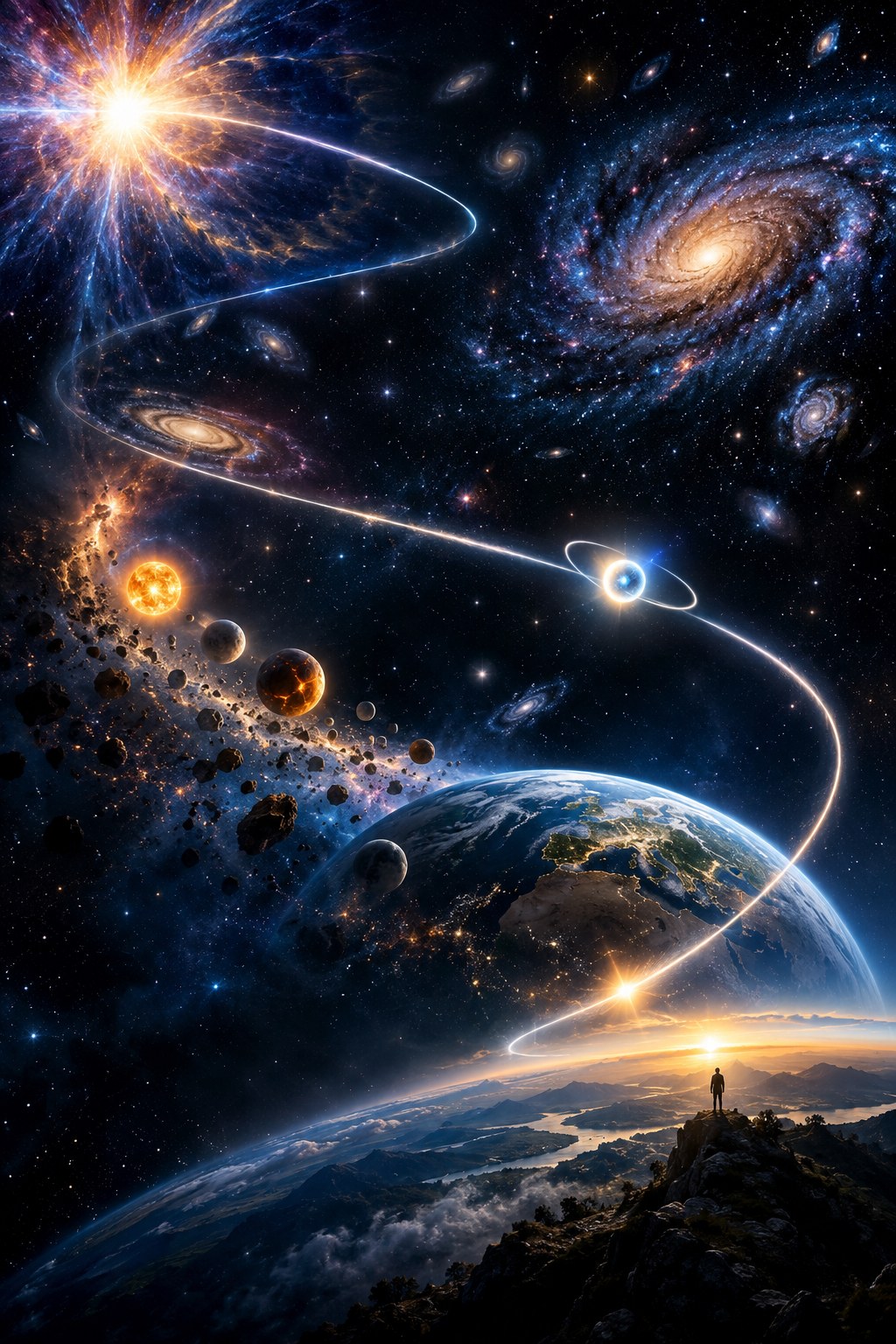
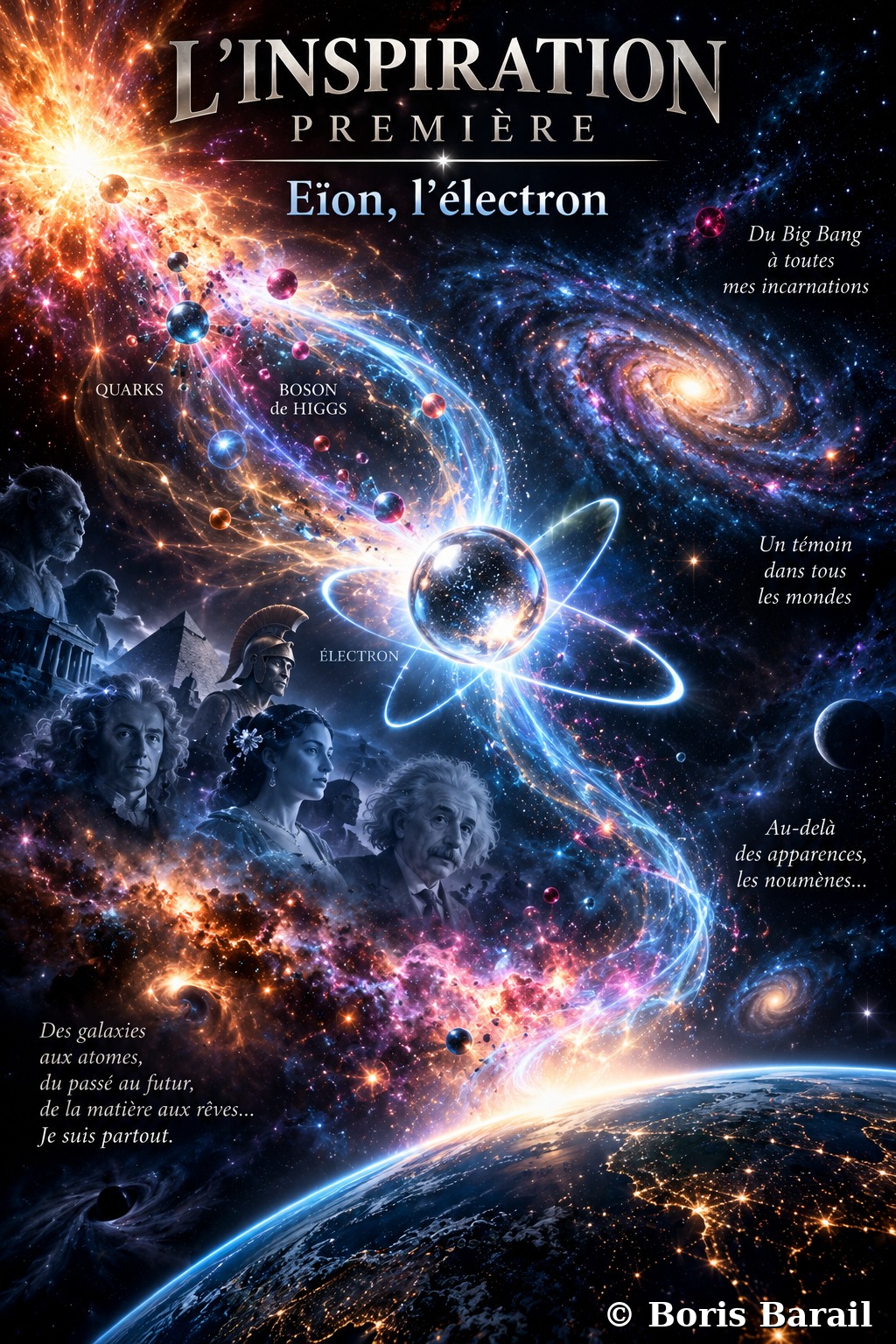
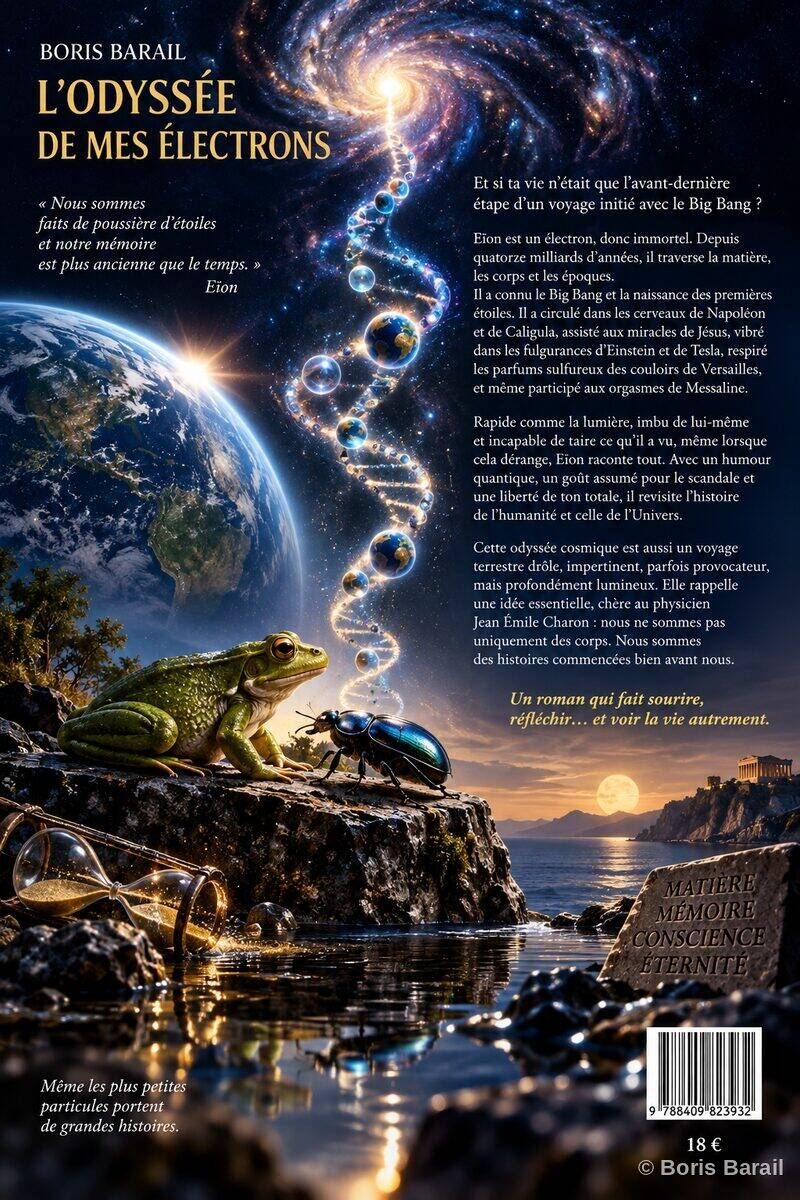
The Odyssey of My Electrons is a novel carried by a singular voice, that of Eïon, an electron born at the moment of the Big Bang, who, with humor and since the very beginning, passes through matter, bodies and eras without ever disappearing.
The story opens with a paragraph that sets the tone.
“According to CERN, I am going to live sixty-six thousand yottayears, that is five quintillion times the current age of the universe. I would add: give or take five or six multiplied by, let’s see, the gravity formula, for the accuracy of imperfection. Had CERN said my lifespan was only sixty-six thousand yottaseconds of a millisecond, I would have believed it just as readily, but not only could I not have told you my story, I wouldn’t be as proud as a pea-cock. Well, better to be a toad, because, just so you know, with his tiny amplexus a toad can stay on top of his beloved for days before having the time of his life. Wouldn’t you like to be a toad, but with Wide-Awake Beauty, eh? And you, sweetie, imagine you are the Wide-Awake Beauty for three consecutive days and nights!”
From the very first pages, Eïon presents himself as an elementary consciousness, the living memory of light and a witness to the emergence of the cosmos. Immortal and omnipresent, he moves through the first forms of matter, then through living things, becoming both observer and actor in the history of the Universe.
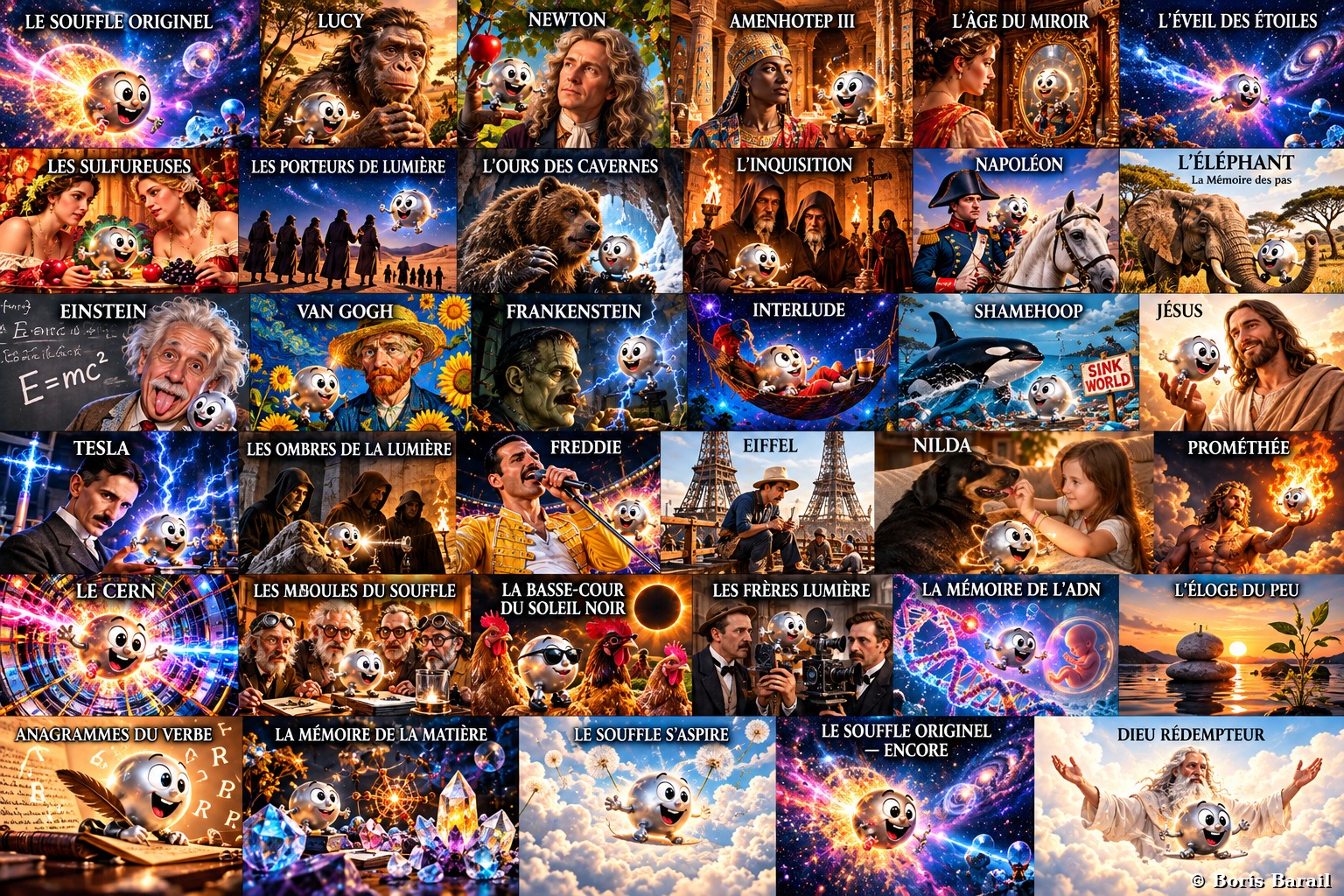
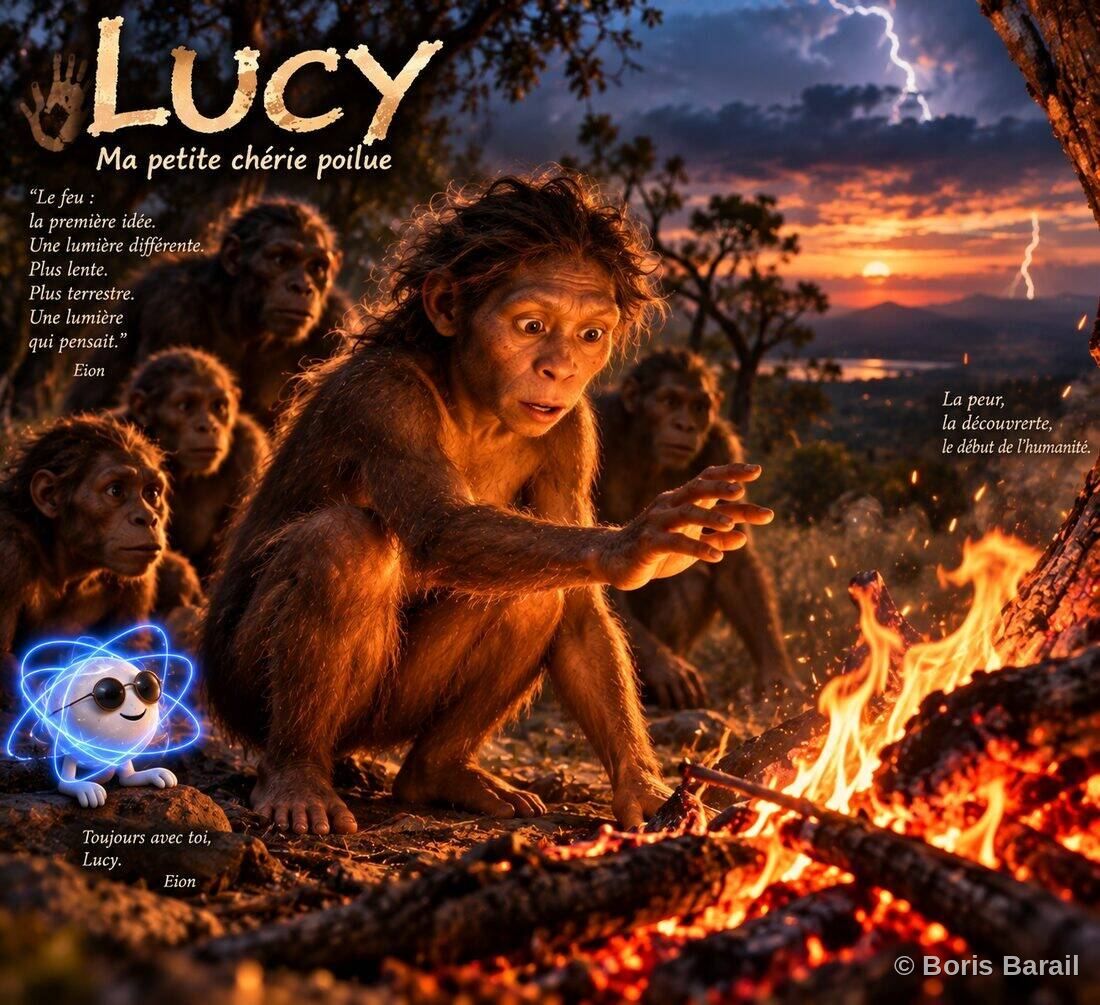
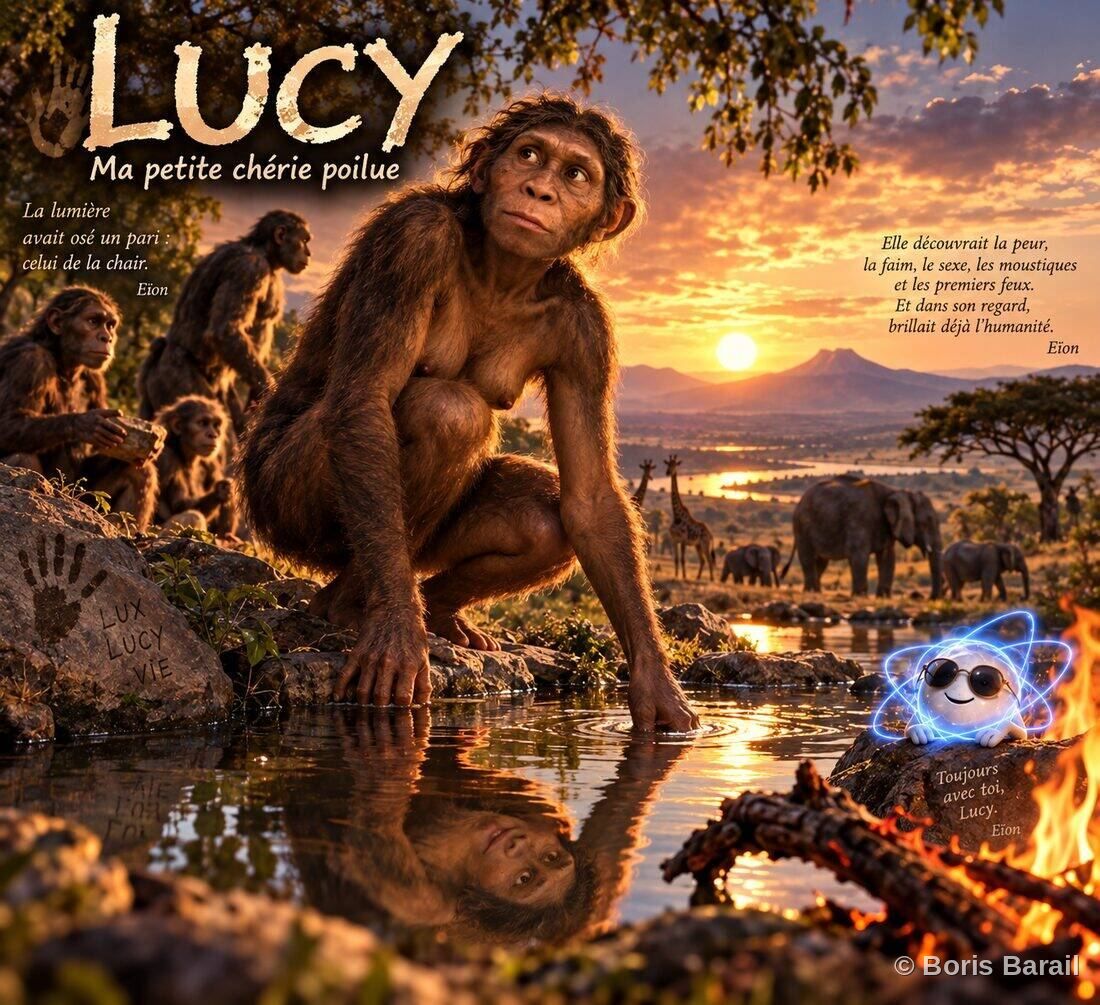
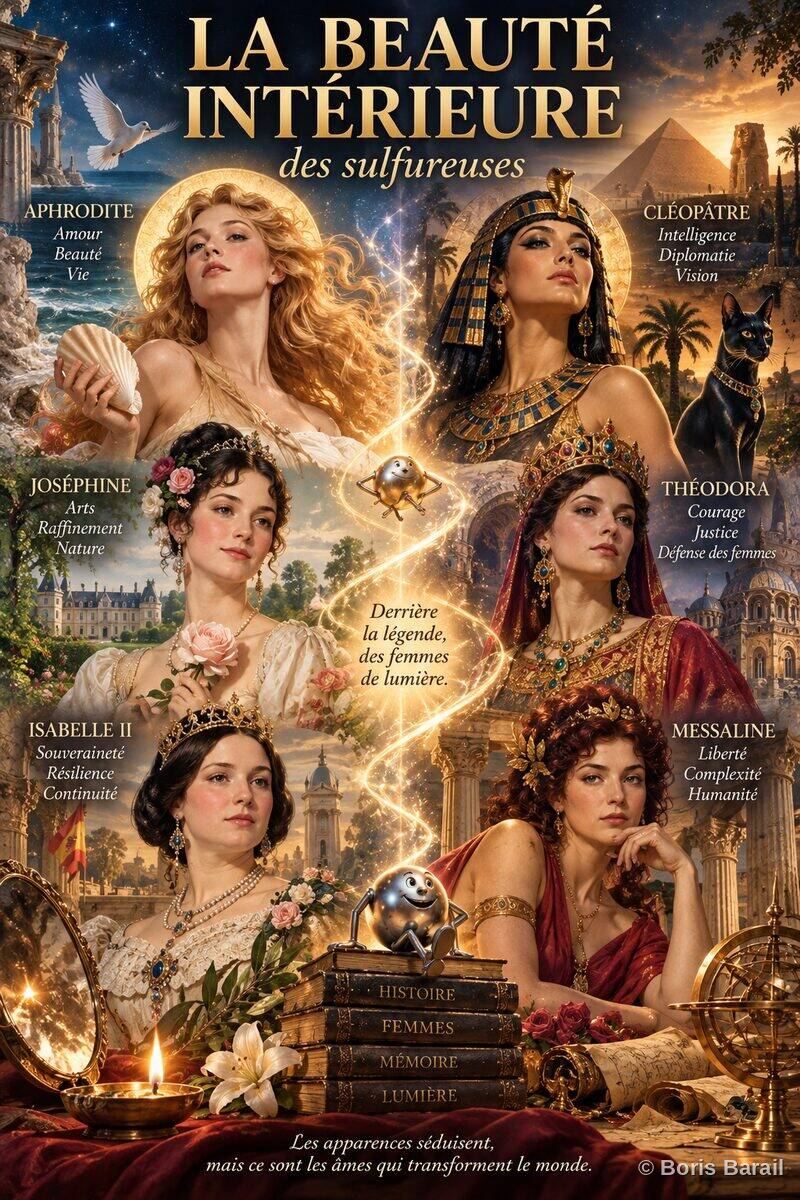
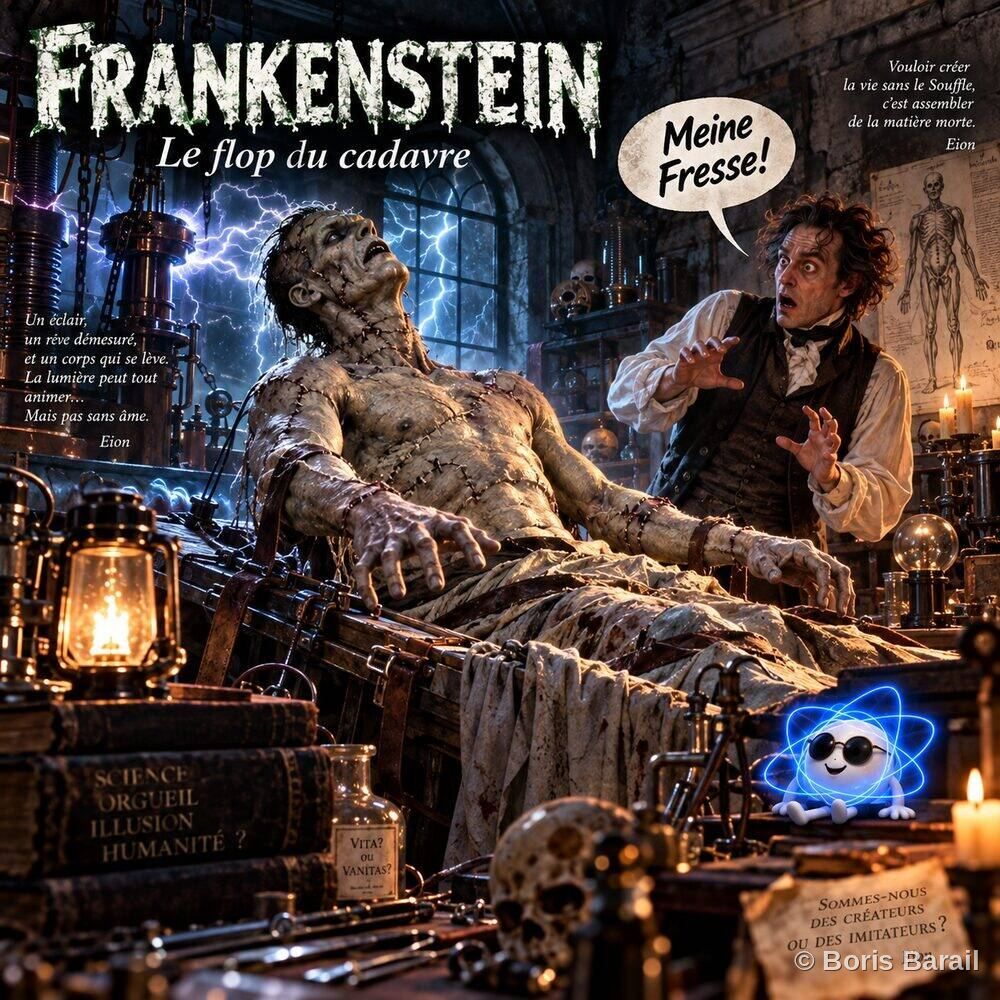
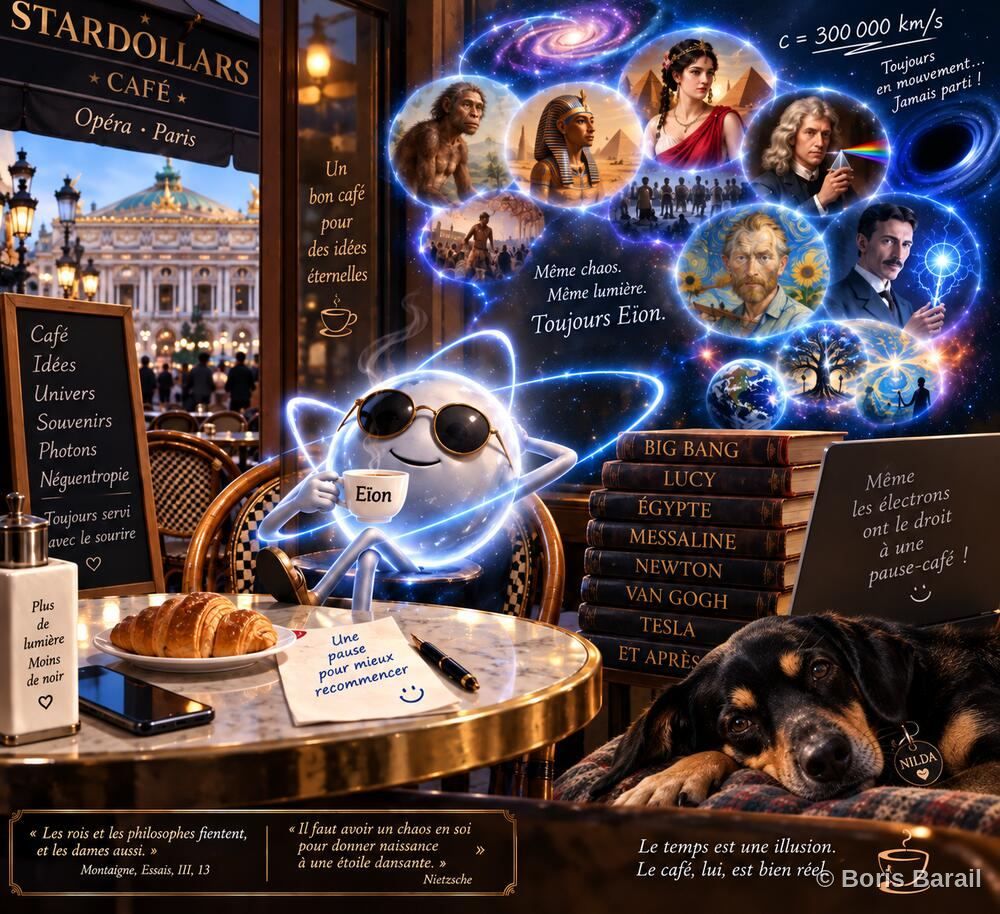
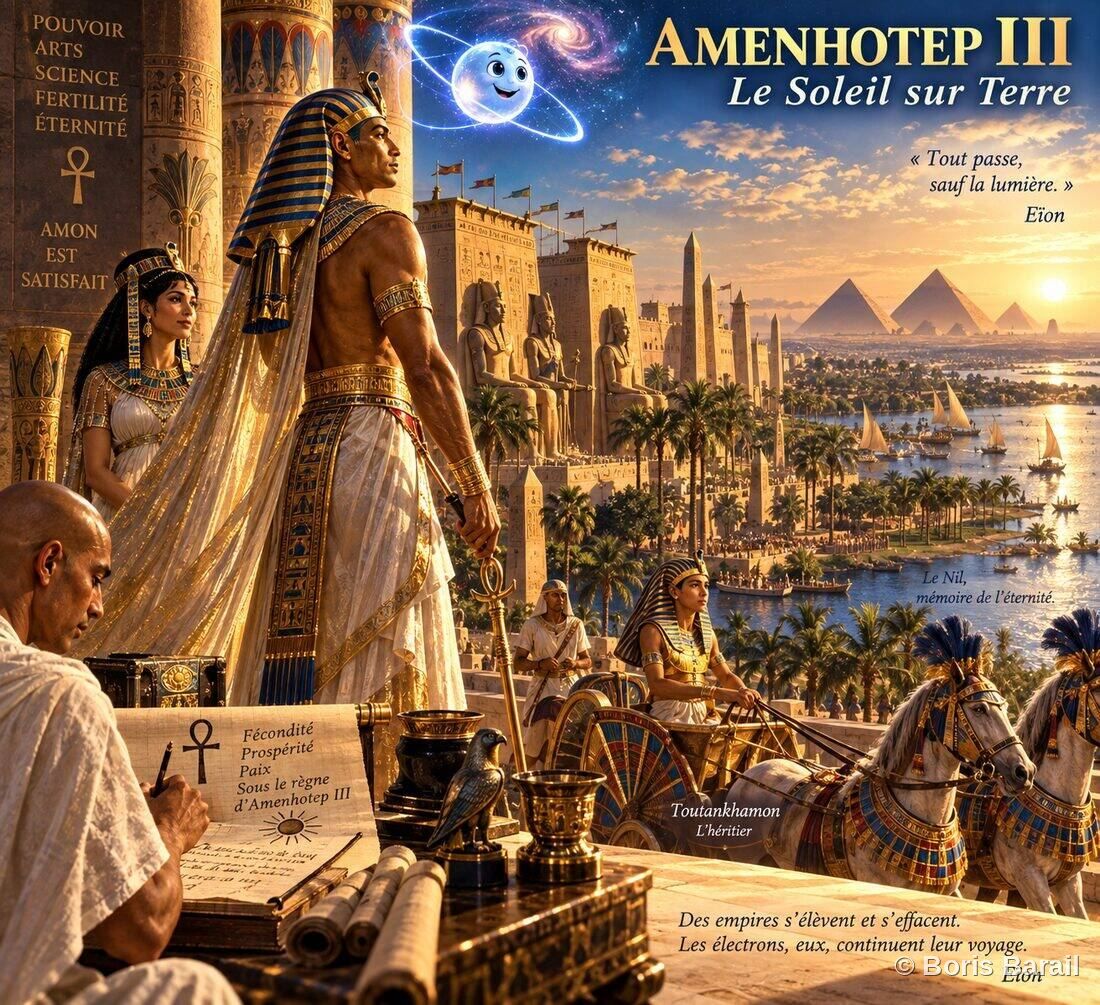
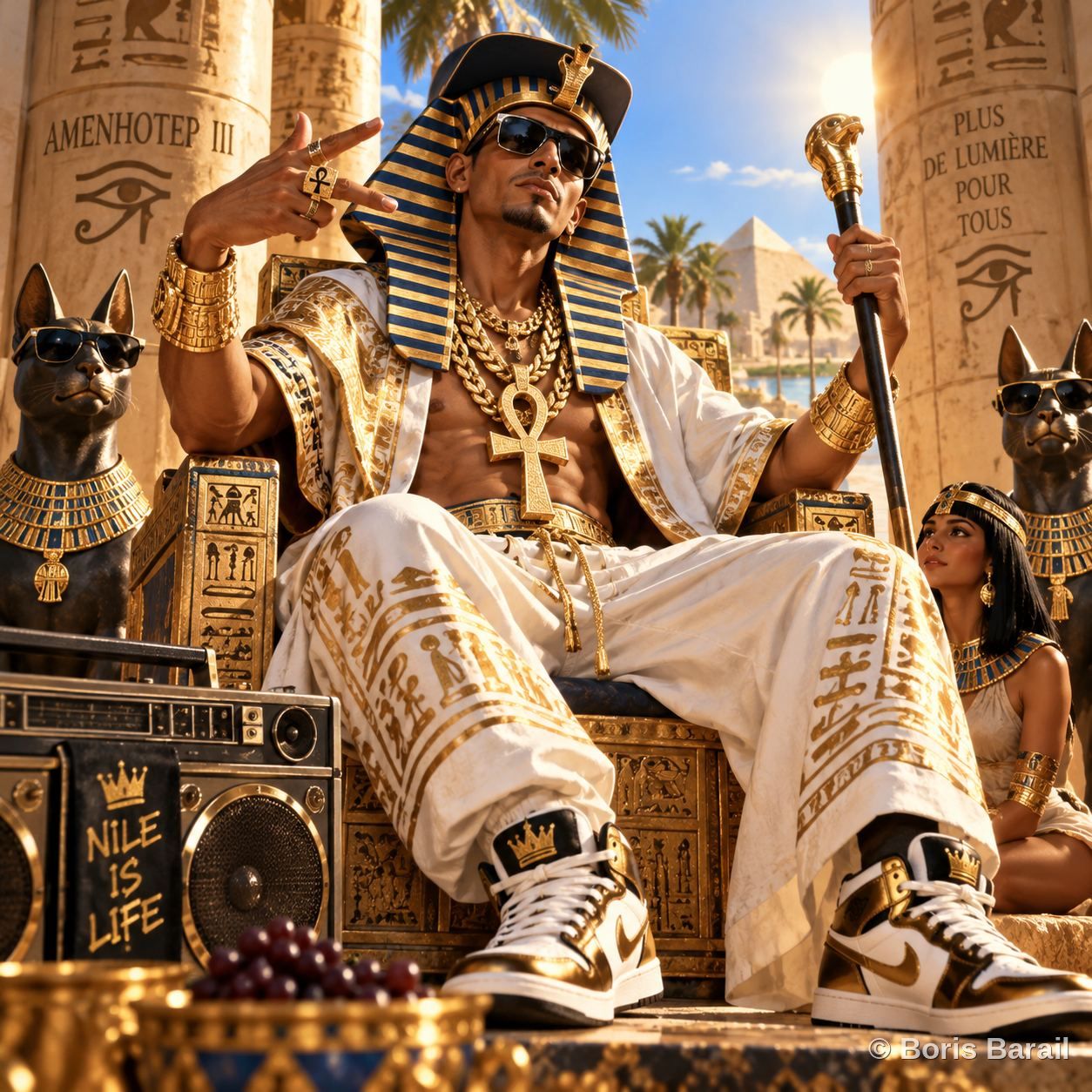
The story is built in fragments, following an openly non-linear logic. Each incarnation becomes a self-contained scene: Eïon passes through the great figures and key moments of human history. From Lucy to Newton, from the excesses of Caligula to the ambitions of Napoleon, from the orgasms of Messalina to the flashes of insight of Einstein, from Frankenstein’s experiments to the divine and libidinous impulses of Amenhotep III. In turn he explores science, power, desire, creation and destruction. He is always very pretentious and plays his incarnations with a great deal of humor.
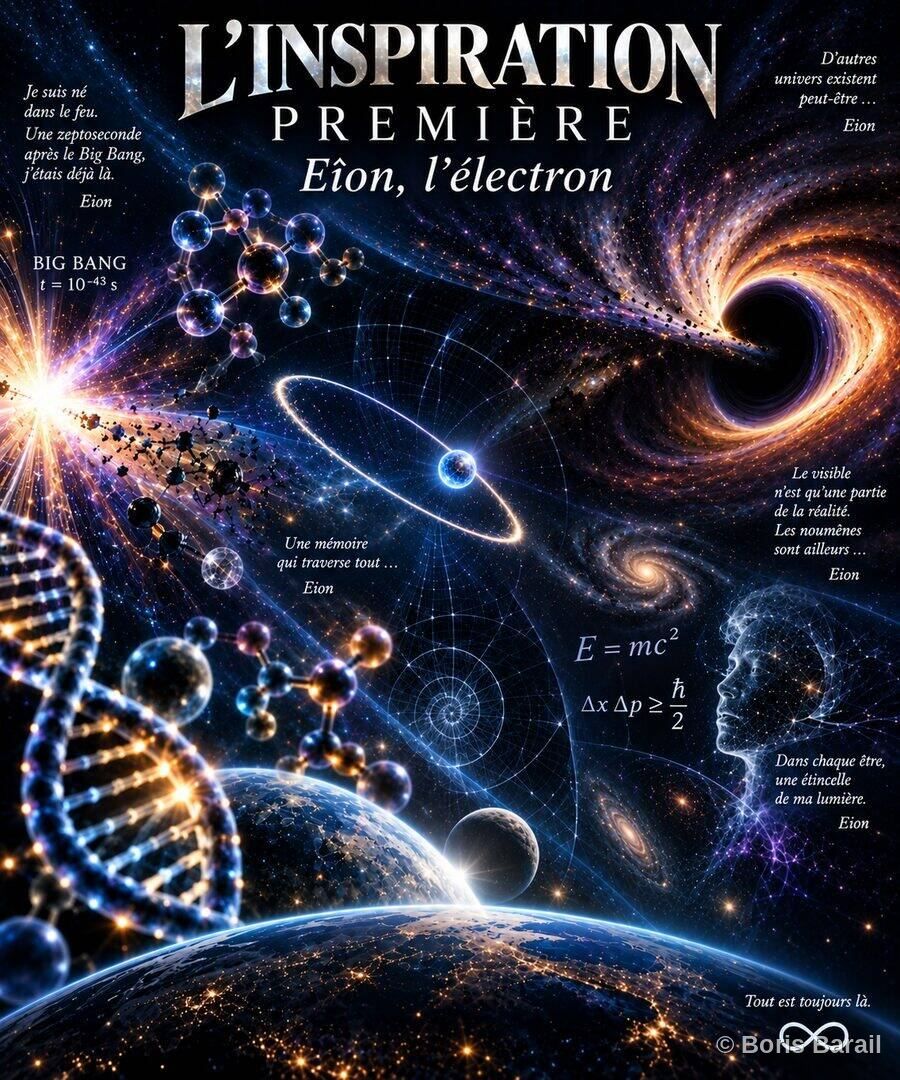
As these journeys unfold, a coherence emerges. Eïon discovers that matter keeps the trace of everything it passes through. Inspired in particular by the work of Jean-Émile Charon, the novel develops the idea of a fundamental memory inscribed at the very heart of matter, where consciousness and energy merge.
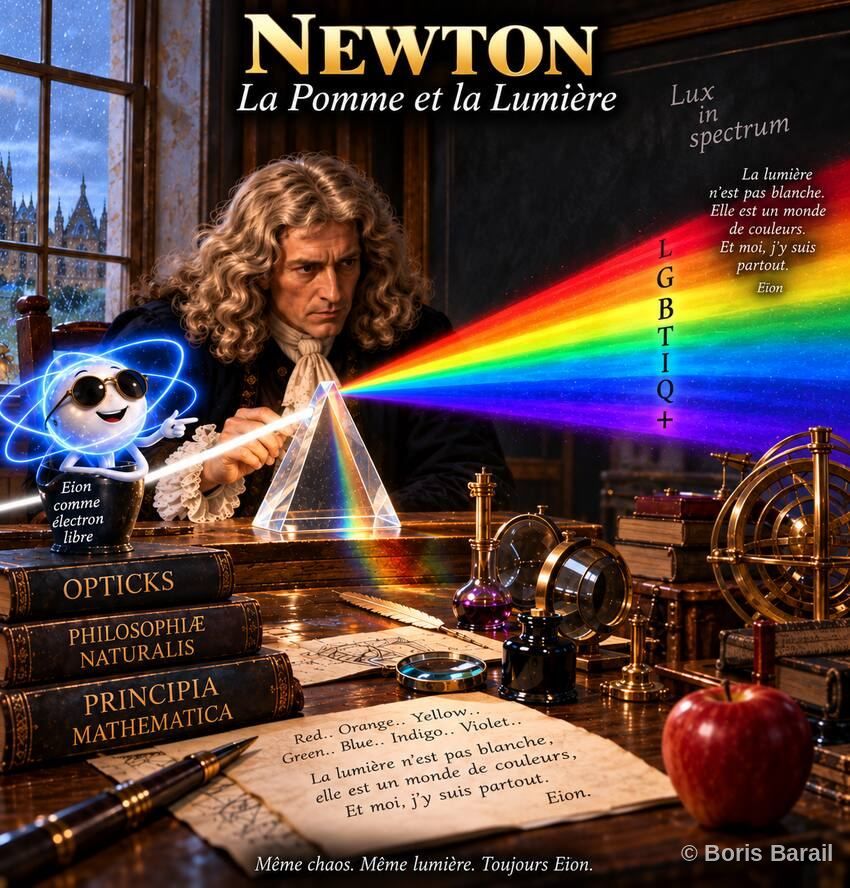
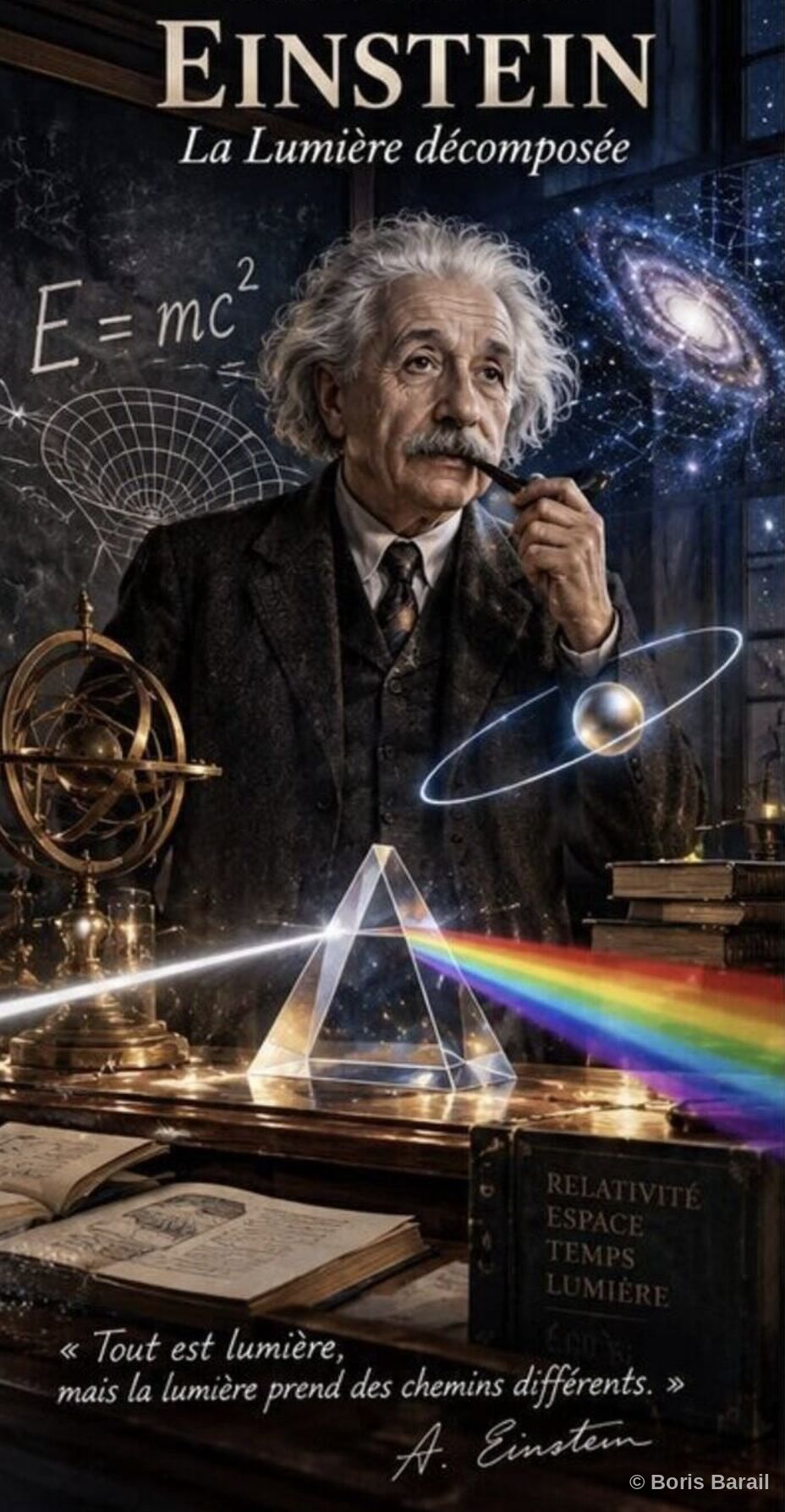
This exploration takes on a special dimension in the chapters devoted to the great scientific discoveries. Newton, then Einstein, appear as tipping points. Light, first perceived as a unity, turns out to be multiple. Gravity, first thought of as a force, becomes a relationship, almost an emotion. Through them, Eïon understands that the laws of physics express a form of bond between beings and things.
At the same time, the story deliberately drifts into irreverence and chaos. Eïon, a lucid and provocative narrator, blends the sacred and the profane, scientific rigor and the most carnal urges, revealing a humanity traversed by the same fundamental forces as matter.
As the text unfolds, the figure of Boris, the author, appears as a relay. Eïon passes through him to tell this story, blurring the boundaries between narrator, characters and writer.
Everything converges on a central intuition: light does not break down, it reveals itself. And it is transmitted. Gravity is not merely a law, but a form of universal relationship that binds all things together.
As the story progresses, Eïon no longer merely observes: he understands that he is himself the link, the messenger and the trace. Through his incarnations, a form of consciousness emerges, where science, memory and intimate experience come together.
The novel ends on a dizzying opening: what if the Universe had neither beginning nor end? And what if the memory Eïon has carried since the origin were only one interpretation among others? But far from closing the story, this uncertainty becomes an invitation: to look at the world differently, as a living fabric of relationships, light and memory.
The Odyssey of My Electrons thus offers a journey that is both cosmic and deeply human, most often with humor, in which the reader is invited, in turn, to question their place in the Universe and the invisible bond that ties them to everything.
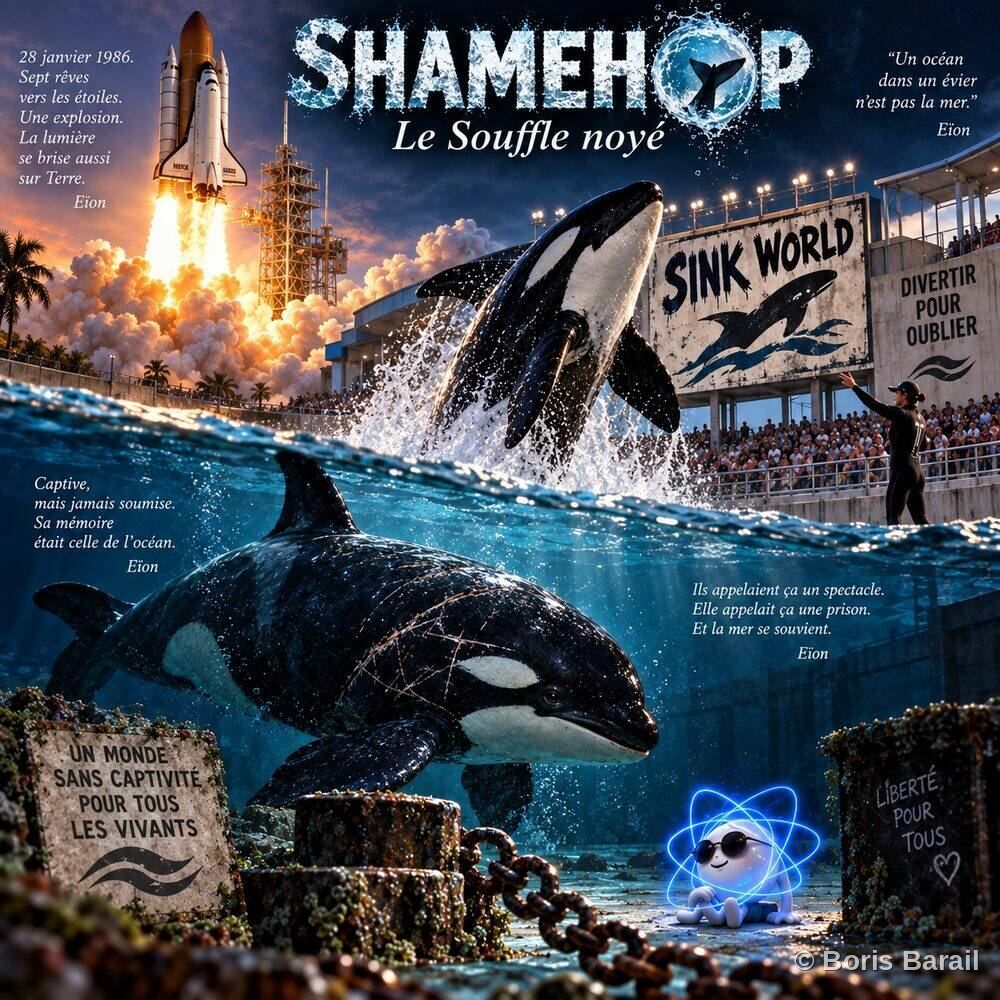
Born in the first instant of the universe, Eïon has never stopped moving — through stars, through skin, through history's loudest names and its quietest ones. Dinosaurs. Cleopatra. Napoleon. An elephant. A whale that never saw the ocean again. And eventually, inevitably, you.
The Odyssey of My Electrons follows that single, immortal charge as it drifts from the birth of matter into the strange, funny, and sometimes heartbreaking business of being alive — told with equal appetite for cosmology and mischief.
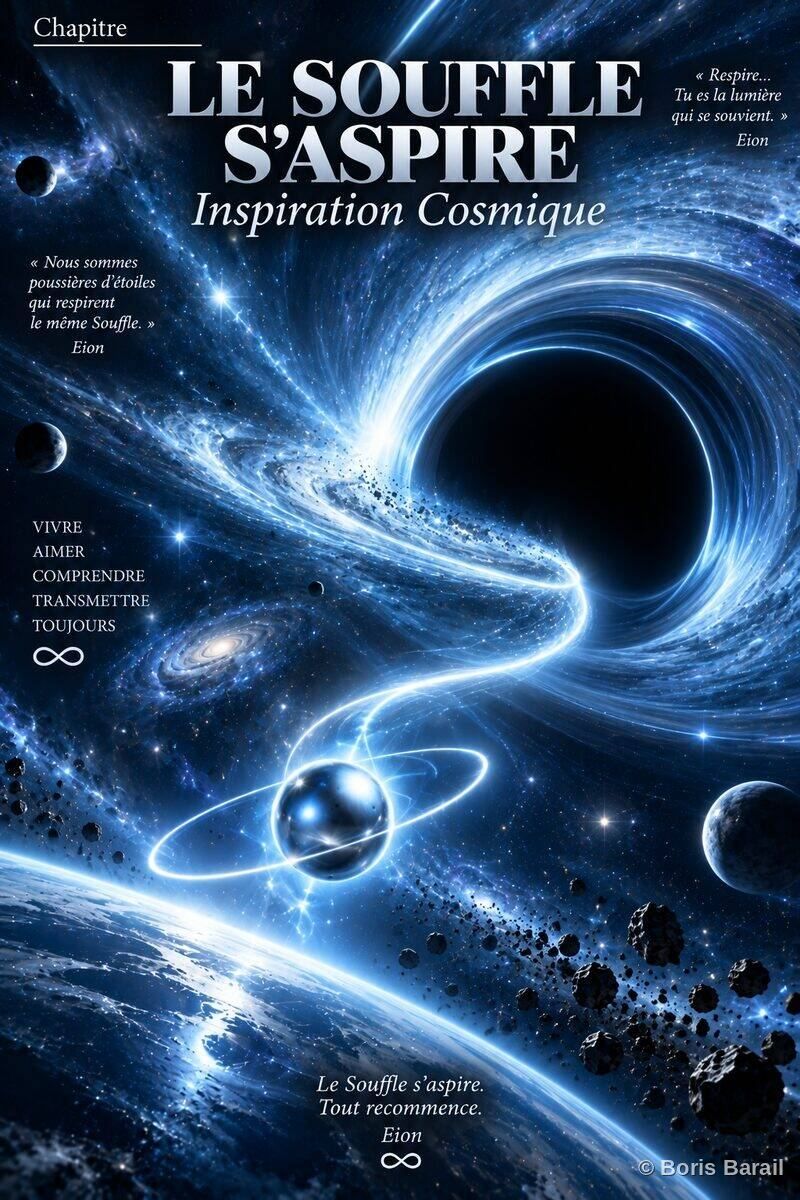
"The breath, from now on, is you."
The Odyssey of My Electrons
An electron across cosmos and history.
Get the bookL'Odyssée de mes électrons
Un électron à travers le cosmos et l'histoire.
La Odisea de mis Electrones
Un electrón a través del cosmos y la historia.
Comprar el libro
About Boris
Boris Barail writes across languages — French, Spanish, and English — and, in this book, across time itself.
The Odyssey of My Electrons began as a single question: what would an electron remember, if it could carry every current it ever ran through? Dinosaurs, Cleopatra, Napoleon, a captive whale, a very small spark at the start of everything — the answer became a book, told in three languages at once.
This page is a placeholder for Boris's full biography. Replace this text with his story, career, and photograph.
Reviews
What readers of The Odyssey of My Electrons are saying.
A gift to CUDECA
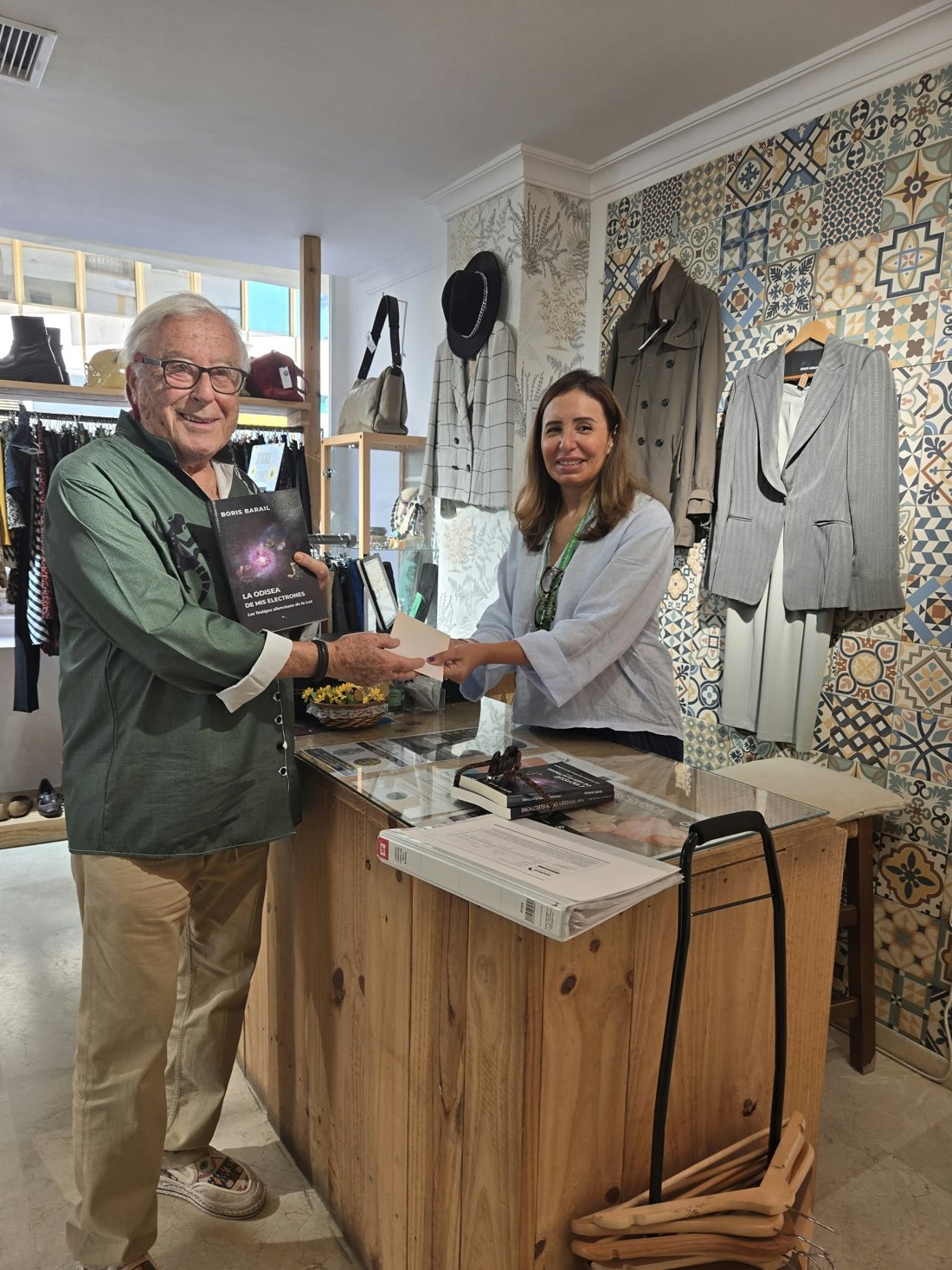
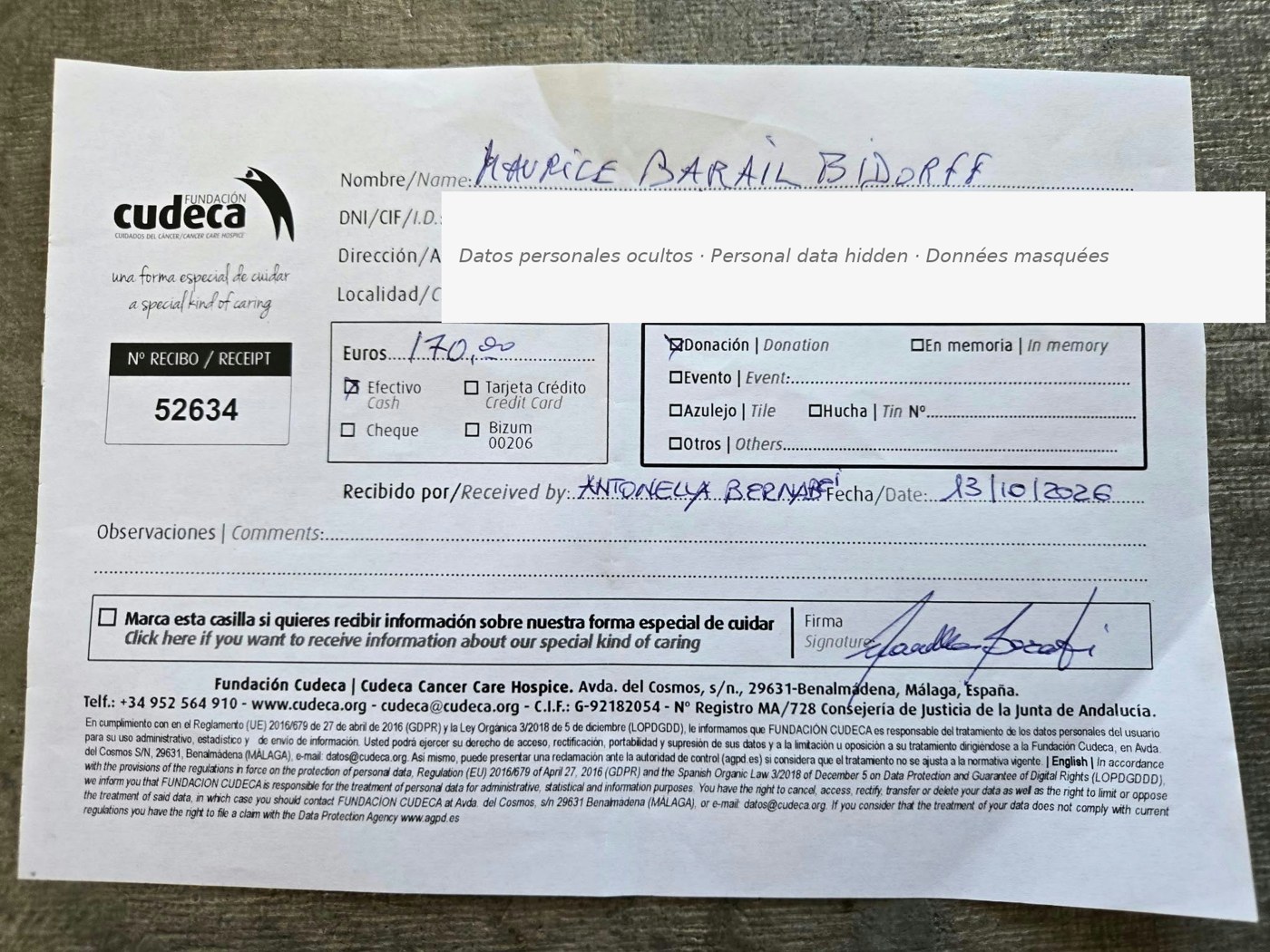
I have given 170€ to CUDECA thanks to my readers of “The Odyssey of my Electrons” who gave 3€ or 5€ per book purchased. Thanks to all. ❤️
"Having very little interest in the sciences, and being mostly ignorant of their specific contributions to the human condition, this is not a book I would feel encouraged to read. However, having it in my hands aroused my curiosity, and from then on I continued to the end, enjoying the historical references I was ignorant of and amused at the irreverent antics of the electrons. An unusual, arcane take on the old and the new, and well written — I enjoy books that send me to the dictionary, and this one certainly did! Also short enough not to get bored with the antics of Boris's electrons, it actually encouraged me to feel more positive about life and the future."
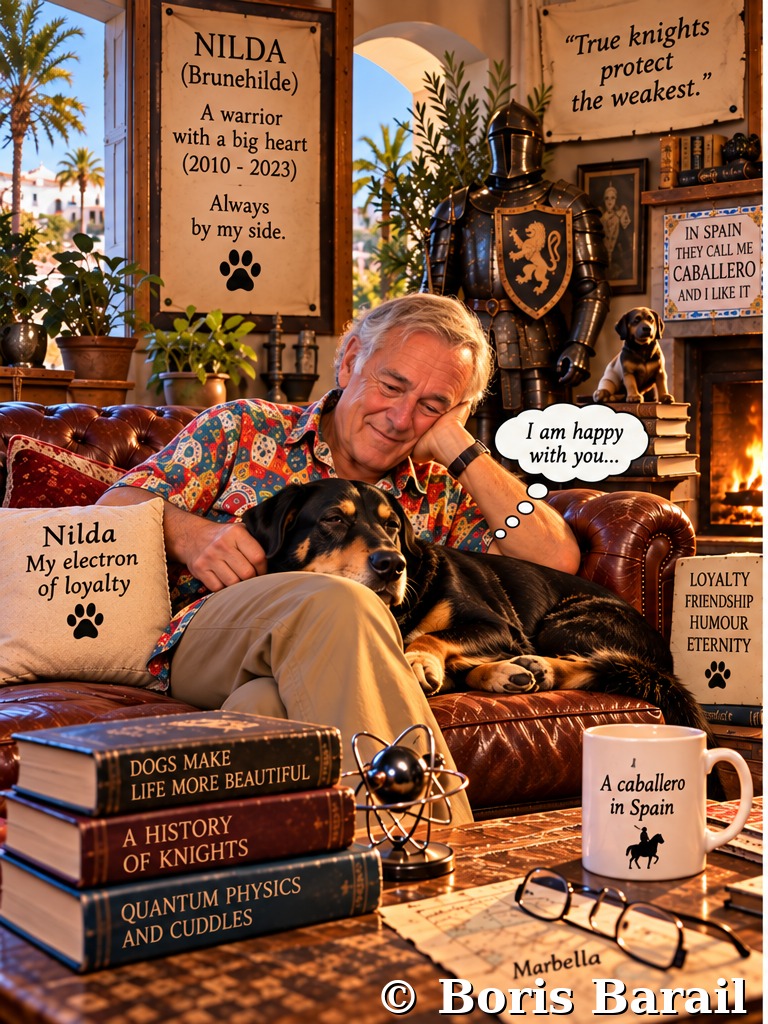
"Your book moved me deeply. Beneath its daring surface, it is full of emotion — you burst out laughing at your wit and innuendo, but you also cry, which I truly didn't expect. When you speak of your dog Nilda, when you admit that Hubert G. is you... Your style is light, sparkling, mischievous, erudite. It is moving, it is touching. Your letter to Gretchen is masterful, and I particularly loved the comment about Françoise Sagan. In a word... BRAVO."
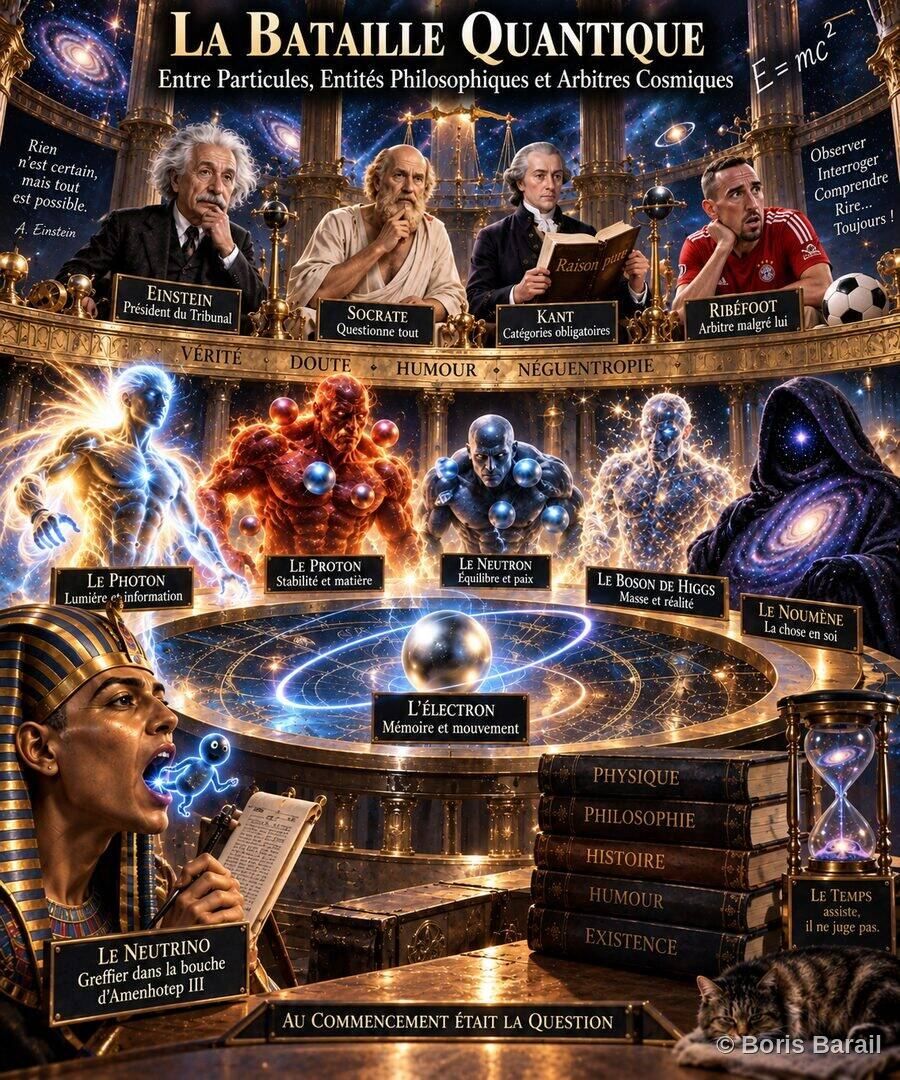
"The core idea is brilliant, and certain chapters — like the one on Newton, or the famous 'tribunal of particles' — are genuinely delightful. That said, the pacing sags at times — some digressions on secondary characters felt long. Still, the humor and originality more than make up for those lulls. A read worth the detour."
"Let me say it straight away: there are far, far too many suggestive scenes for my taste. I ended up skipping whole passages. Which is a shame, because the rest — the humor, the inventiveness, the tenderness of certain chapters — is genuinely well done. A bit more restraint wouldn't have hurt."
"I'm not remotely a science person, and I was worried the book would be too technical. In reality, it's above all a human adventure, full of warmth and humor, carried by a truly unique narrative voice. The idea of the 'Breath' that connects everything even moved me to tears. The more 'Higgs boson' passages lost me a little, but they're rare and never heavy going."
"An uneven book: some chapters are little gems of writing and dark humor, others felt like too much to me — almost gratuitous. I'd have liked a bit more of a through-line between episodes. It remains an original, audacious read, one that mixes Attila, Gandhi and Marie Curie without ever apologizing for its nerve."
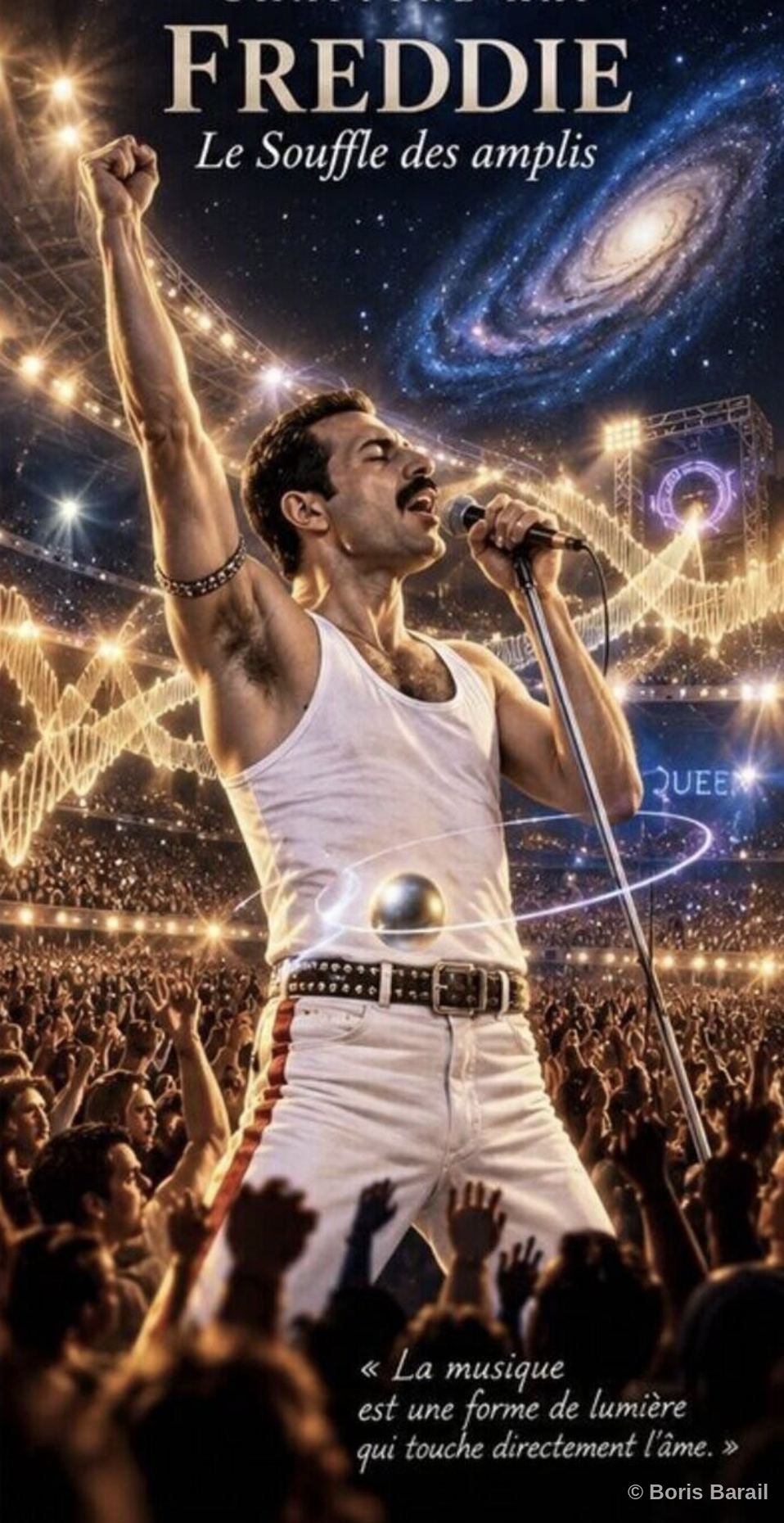
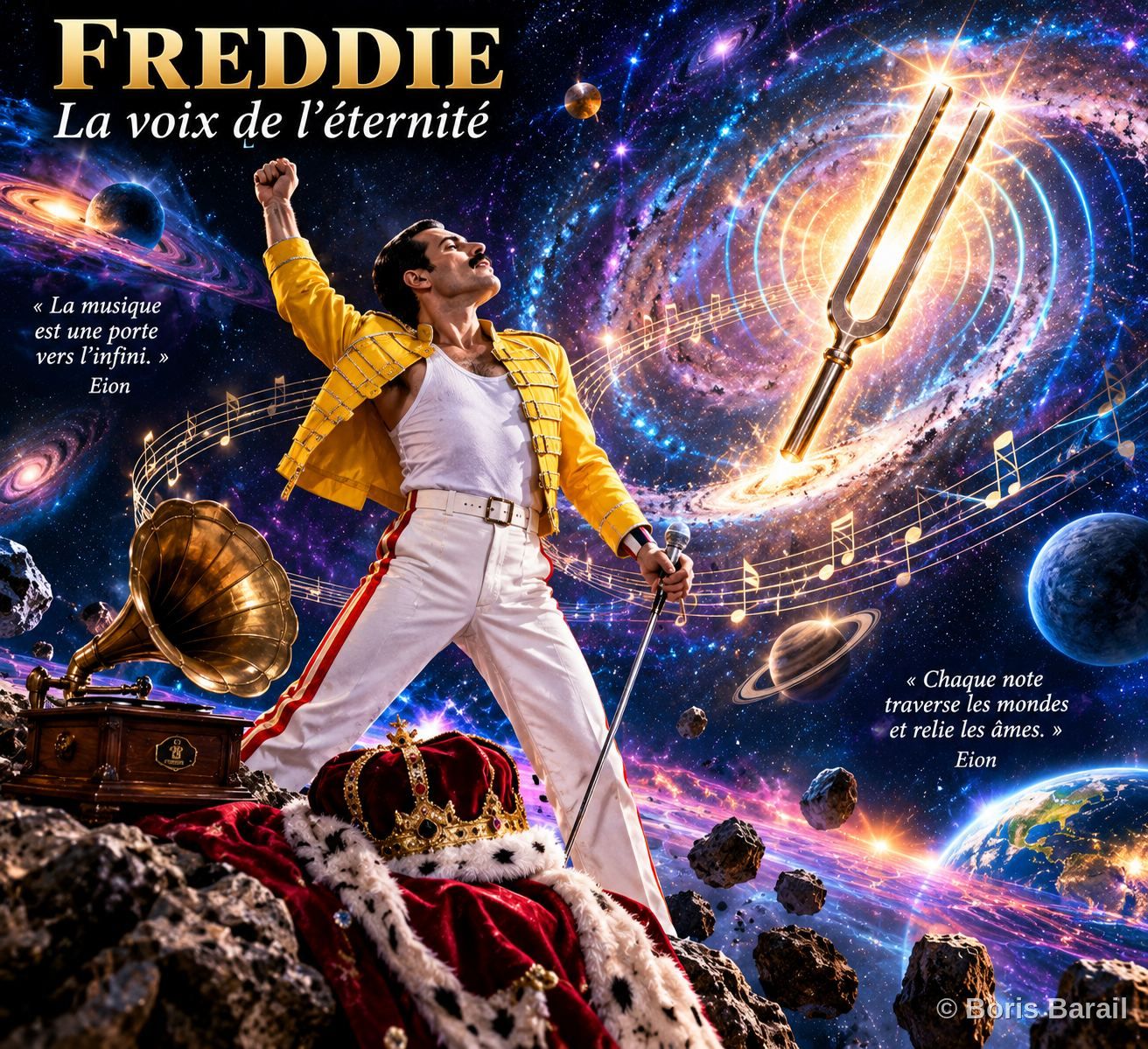
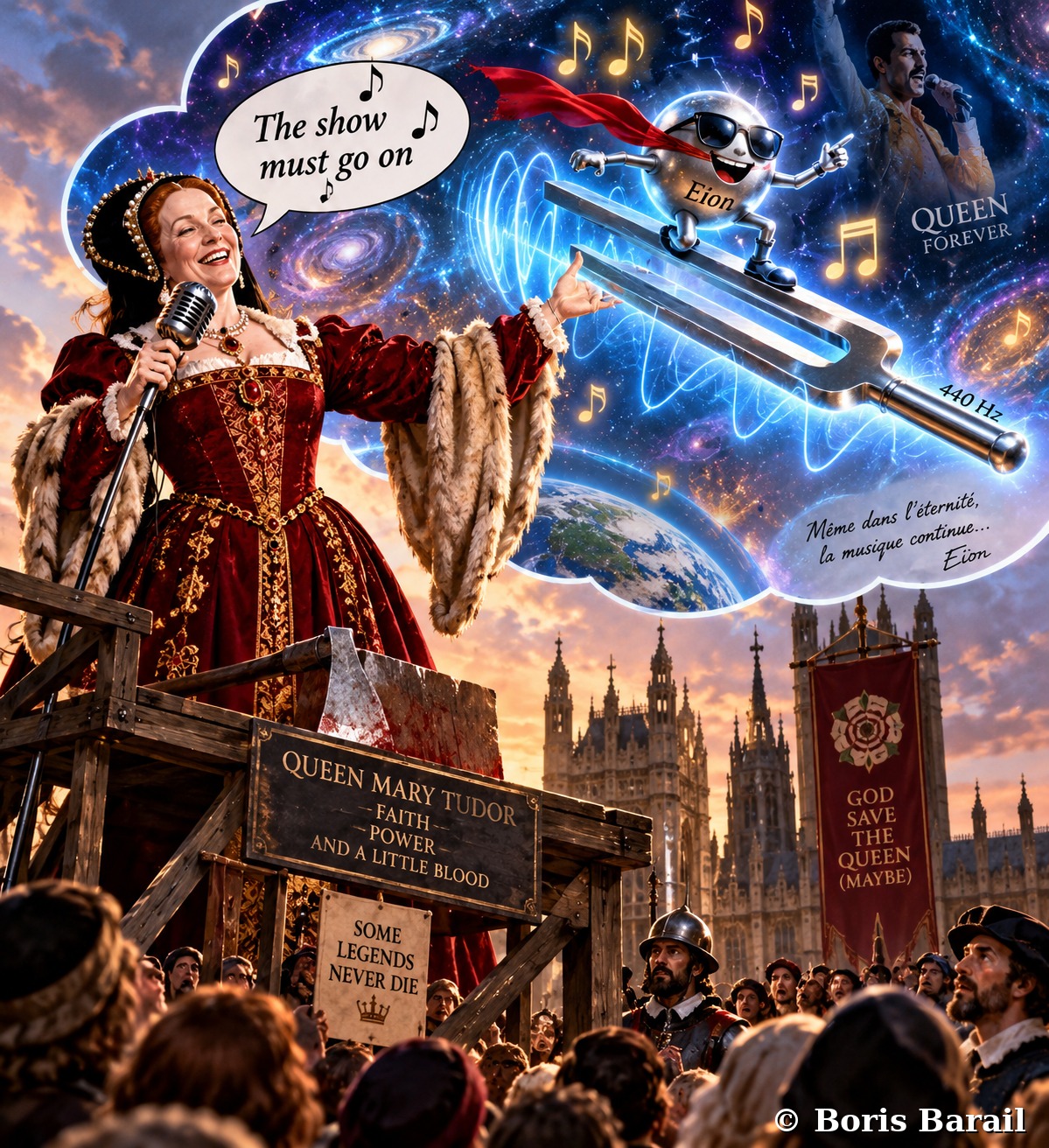
"Devoured in one weekend! Scientific accuracy isn't really the point — what matters is the entertainment, and there's plenty: Napoleon, Frankenstein, a dinosaur, even Freddie Mercury gets a cameo... it's gloriously unhinged and hilarious. You don't need to be a physicist to enjoy this book, just to love laughing and time-traveling."
"I didn't expect to laugh so much at Napoleon's antics as seen through the eyes of an electron! Between Tesla dreaming of free energy and Frankenstein as a metaphor for creation, the book is a real roller coaster: you go from cosmic wonder to fits of laughter within a single page. It's this blend of erudition and cheek that swept me along from start to finish. A real favorite — funny and surprising."
"Super read.. A magic ride though mystery of the mind. Boris Barail is a revelation, pages turn very easily and enjoyably."
"A real UFO, this book — impossible to classify. I truly enjoyed reading it… In several chapters I turned to Google to learn more, out of sheer curiosity. I feel a little less ignorant today. And what wit! That rascal Eïon turns up everywhere, disguised as Freddie Mercury, Einstein, even Carl Sagan... a real treat! His ghostwriter Boris Barail clearly delights in telling these adventures... In short: an intelligent, original, funny, and deliciously cheeky book."
"La Odisea de mis Electrones es apasionante. ¡Me gustó tanto que la leí casi de un tirón! No suelo leer este tipo de libro, pero este me encantó. ¡Muy recomendable!"
“Crazy, brutal, super funny, timeless, instructive, metaphysical, quantum. A unique, brilliant blend. I want more!”
“Reading ‘The Odyssey of My Electrons’ has kept me company these past weeks, and I found it a breathless journey, full of life, guided by the restless, mocking Eïon. His nerve in crossing time leads you tirelessly through countless historical situations from a very different point of view than usual, moving with no trouble and no undue reverence among figures we have always known, and whom you will never see the same way again. It was a thrilling journey, with an ending that makes you want to keep discovering the world and its history with this mischievous electron.”
Mon Cher Boris…
Mon Cher Boris. Compte tenu que nous nous connaissons depuis pas mal d'années, je m'adresse donc à toi directement en te tutoyant et vais donc te confier ce que je pense de ton livre « L'Odyssée de mes Électrons ».
Enfin… livre…. Disons plutôt un OLNI ! Objet Littéraire Non Identifié ! En effet, je défie tous les bibliothécaires ou libraires de réussir à classer ton livre sur une étagère ou dans une catégorie car il est de toute évidence inclassable ! On l'aime ou on le déteste.
En ce qui me concerne, j'ai plutôt aimé même si parfois j'ai été surpris ; au final, j'ai plutôt ri et aimé voyager sur le dos de Eïon, ton électron ! J'ai donc passé un bon moment de lecture.
Jusqu'à présent, j'avais de toi l'image d'un gentil « papy » bien sous tous rapports, peu loquace a priori mais possédant une grande culture générale. Alors oui, ton livre est un objet céleste, enfin disons plutôt extraterrestre, que j'ai reçu en pleine gueule !
L'idée de départ est carrément géniale, originale voire farfelue et même totalement déjantée : faire parler un électron prétentieux et lubrique né avec le big bang il y a 14 milliards d'années et qui nous raconte, grâce à son nègre, toi-même, avec beaucoup d'humour grivois, ses rencontres improbables avec des personnages célèbres ou ses déambulations dans les parties intimes de personnages célèbres.
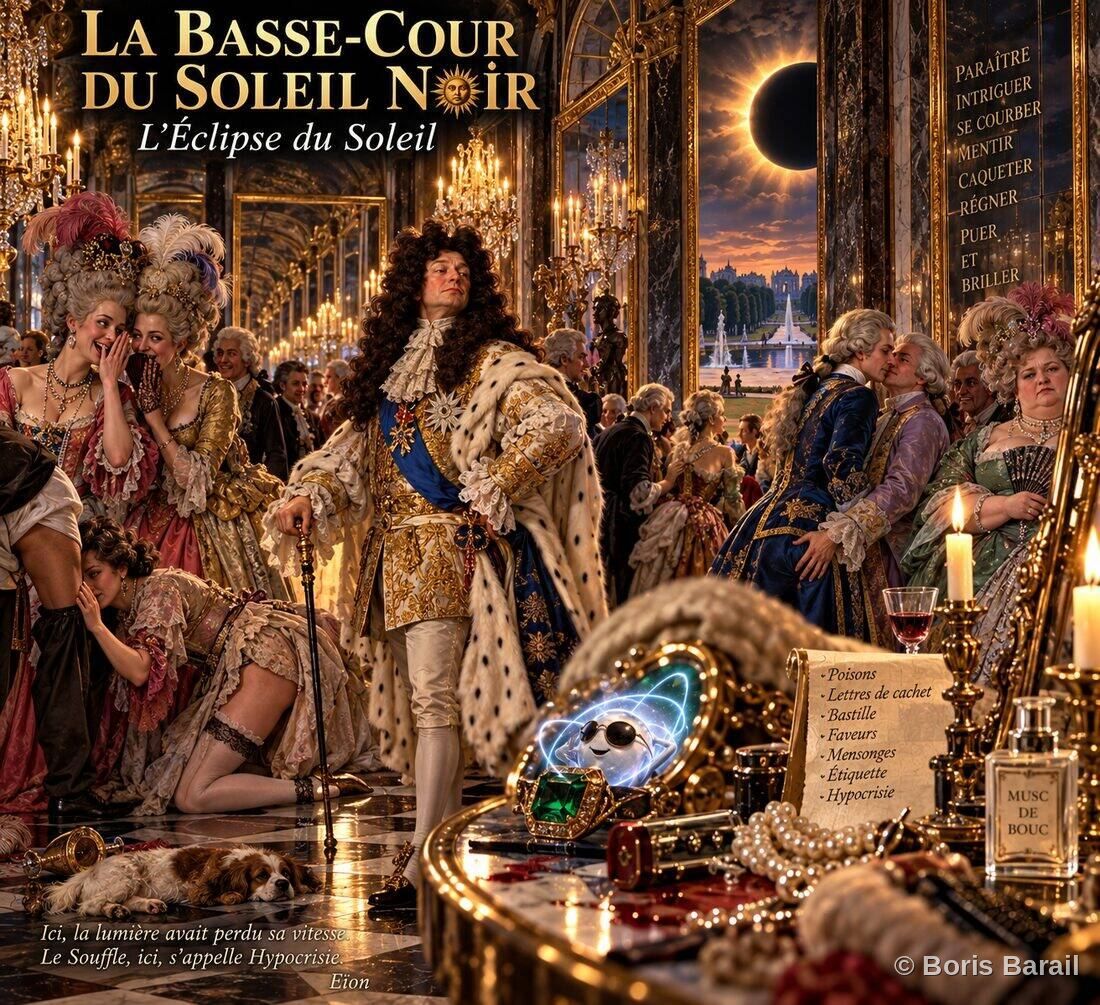
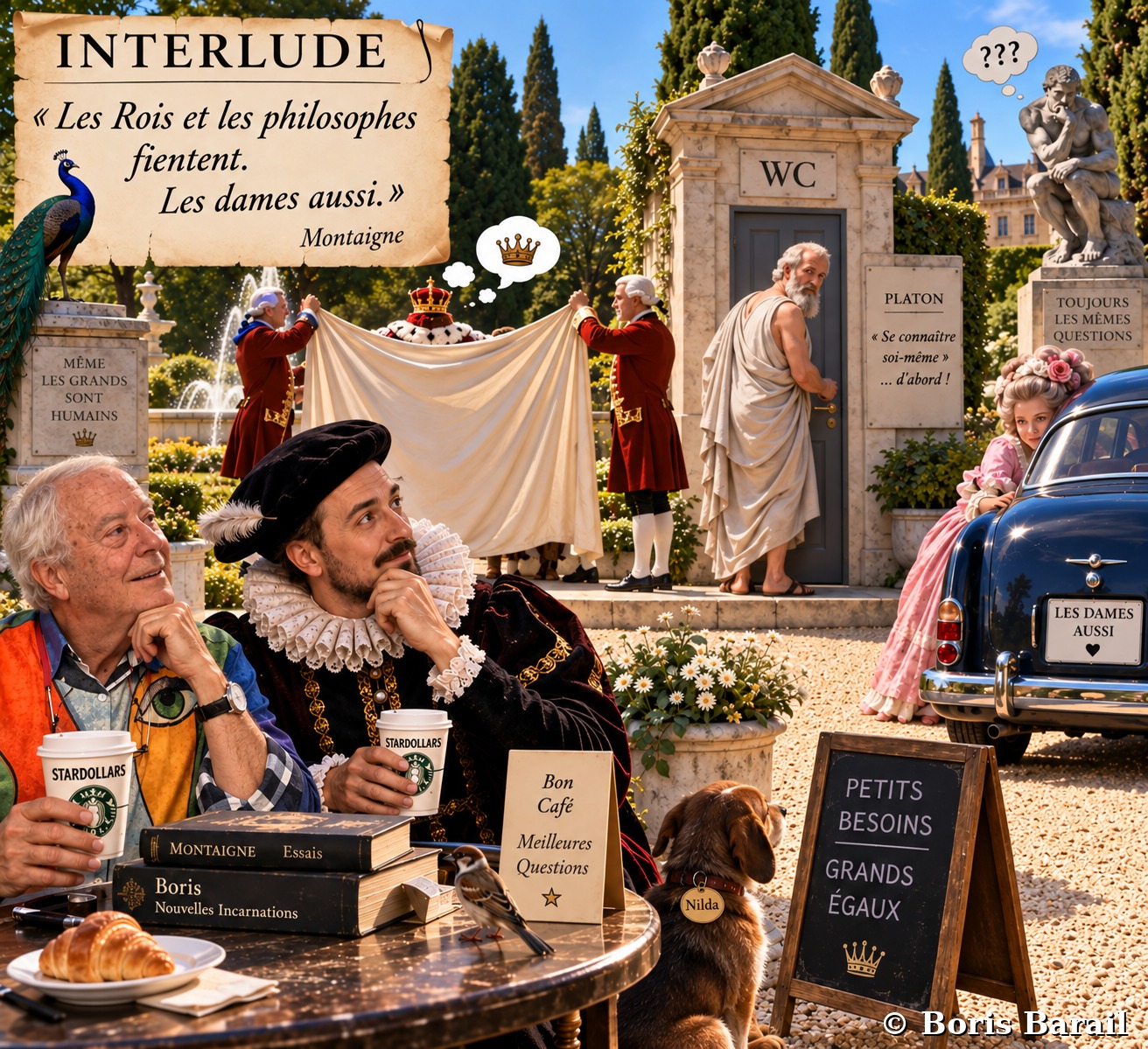
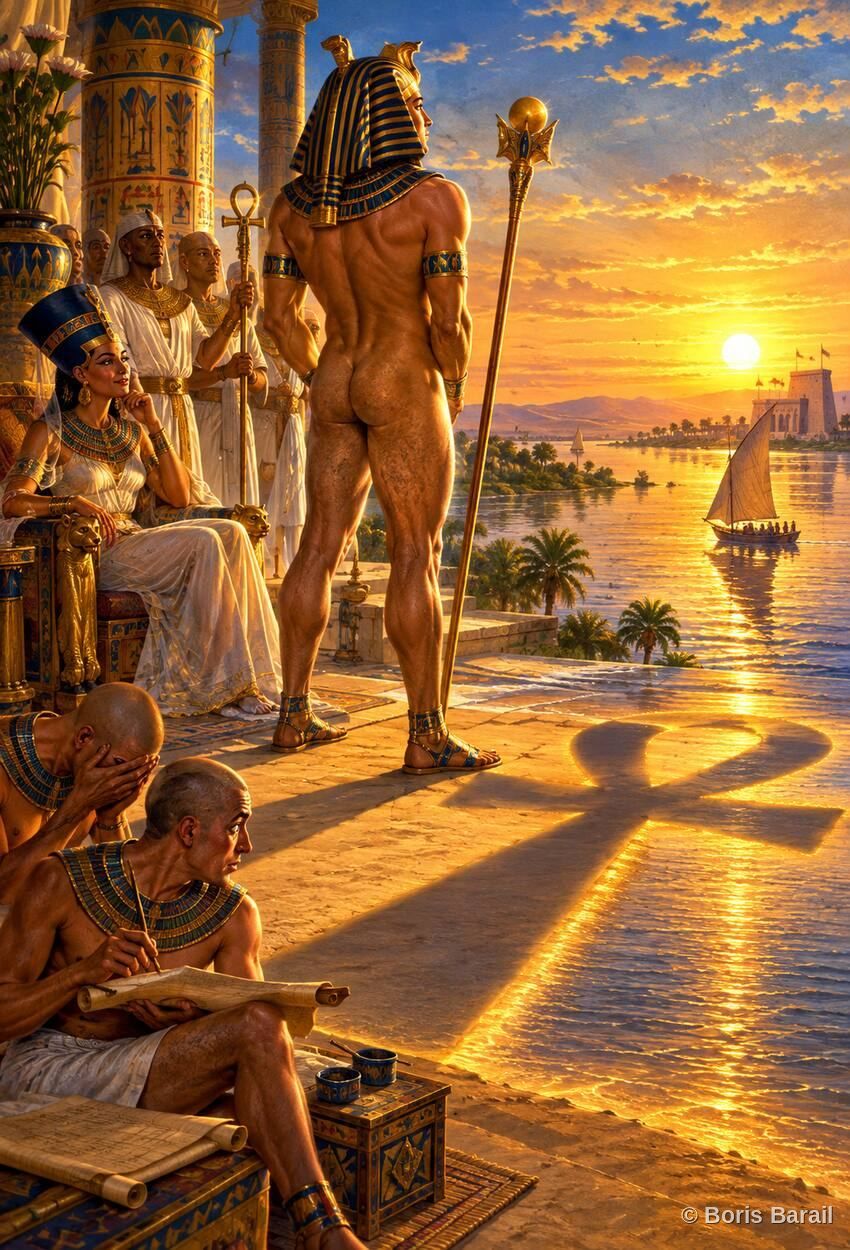
On retrouve ce voyeur potache, lubrique et salace dans l'Égypte Antique où il assiste à la fertilisation manuelle du Nil, dans la bouche gourmande de Messaline, dans le lit de Cléopâtre ou encore derrière les rideaux du Château de Versailles !
Il voyage tellement vite, à la vitesse de la lumière, qu'on ne peut le suivre et parfois on se prend à relire un chapitre tout entier pour voir si on a bien compris puis s'entendre dire : outch ! Il y va fort quand même mon ami Boris !
Boris est un disciple de Jean Émile Charon, auquel il se réfère souvent et qui a publié de nombreux ouvrages philosophiques dans lesquels il introduit la notion d'infrapsychisme : pour Charon, dont l'approche est surtout d'ordre métaphysique, toute particule a deux regards, un de conscience, un de mémoire. Et c'est le cas de Eïon !
Bien amicalement.
Patrick d'Elia
A Literary Gem, As Cosmic as It Is Irreverent
"The Odyssey of My Electrons is one of those books you close wondering how the author managed to hold together such a dizzying narrative thread. Entrusting the story to Eïon, an immortal electron born at the Big Bang, is a bold gamble — and one brilliantly carried off. Through him, we pass through Lucy, Newton, Napoleon, Amenhotep III, Einstein, or Freddie Mercury with a savory erudition and a mocking self-assurance that never falters."
"What strikes most is the improbable balance Boris Barail manages to hold between cosmic bluster and the most intimate emotion: the chapters devoted to Nilda, his dog, or the 'tribunal of particles' scene, land precisely because they cut against the whirlwind of energy and irreverence running through the rest of the text. The science (the work of Jean Émile Charon in the background) is never a veneer: it infuses real philosophical depth into this simple, immense question — what remains of everything matter has passed through?"
"The style — biting, funny, sometimes crude — never seeks consensus: this is a book that owns its unclassifiability and its freedom of tone, and that is precisely what makes it a rare object. You laugh, you're jolted, you're moved, often on the same page. The final line alone justifies the whole journey."
"A generous, gutsy text, unlike anything else."
"Una idea original y sorprendente: seguir las aventuras de unos electrones que, a lo largo de la Historia, parecen encarnarse en personajes humanos conocidos como Tesla, Napoleón, Cleopatra, Frankenstein, Mesalina, y muchos más."
"Boris Barail nos propone un viaje lleno de imaginación, humor y situaciones inesperadas, escrito con un estilo sencillo y muy fácil de leer. Una mezcla divertida e inteligente de Historia, ficción, física cuántica y algunas grandes preguntas sobre nuestra existencia."
"Un libro diferente, ameno y original que se lee con una sonrisa."
Extrait de l'interview de Boris Barail par Daniel Moineau, revue Esprit Sud, 30 juin 2026
"Atypique, singulier, déroutant, imprévisible, créatif, iconoclaste, les mots se succèdent dans ma tête (presque à la vitesse d'un électron) pour qualifier « L'Odyssée de mes électrons », le très récent roman de Boris Barail. Un esprit foisonnant, une plume qui fait couler les mots, non pas d'une fiction mais d'une réalité cosmique très humoristique."
"Du rayonnement cosmique à la lumière des photons, du petit au grand, des protons aux noyaux, mais surtout et avant tout d'Eion, un électron fouineur et impertinent, incapable de taire ses expériences terrestres au travers des corps d'hommes et de femmes célèbres qui ont fait l'histoire de notre petite planète Terre…"
"Une traversée cosmique profondément humaine, une approche très originale de l'univers qui repousse les conventions techniques, un roman à la fois scientifique, philosophique, spirituel dans un cadre intemporel : l'Odyssée d'Eion, un électron qui depuis des millions d'années traverse la matière et les époques."
"L'écrivain, ou plutôt Eion, repousse aussi nos sujets tabous et nos conventions de « Terriens ». Un vocabulaire direct, une grande liberté de ton, une critique audacieuse de l'homme à travers des pans de notre histoire, une écriture fragmentée (et parfois poétique) qui en oublie parfois la bienséance et nos conventions d'humains."
"À cela, ajoutez un humour caricatural et vous obtenez un livre hors des sentiers battus, inclassable, et surtout une lecture à la portée de tous : tout le contraire d'une revue scientifique !"
What the AIs Say
Five AI assistants share their take on the book.
A Sprawling, Sincere Odyssey
"The Odyssey of My Electrons" is one of the most audacious narrative conceits I've come across: an immortal electron as narrator, drifting from the Big Bang through Newton, Cleopatra, Napoleon, and eventually into the reader's own hand. That premise alone earns the book its title — it genuinely covers everything, because its narrator has quite literally been everywhere.
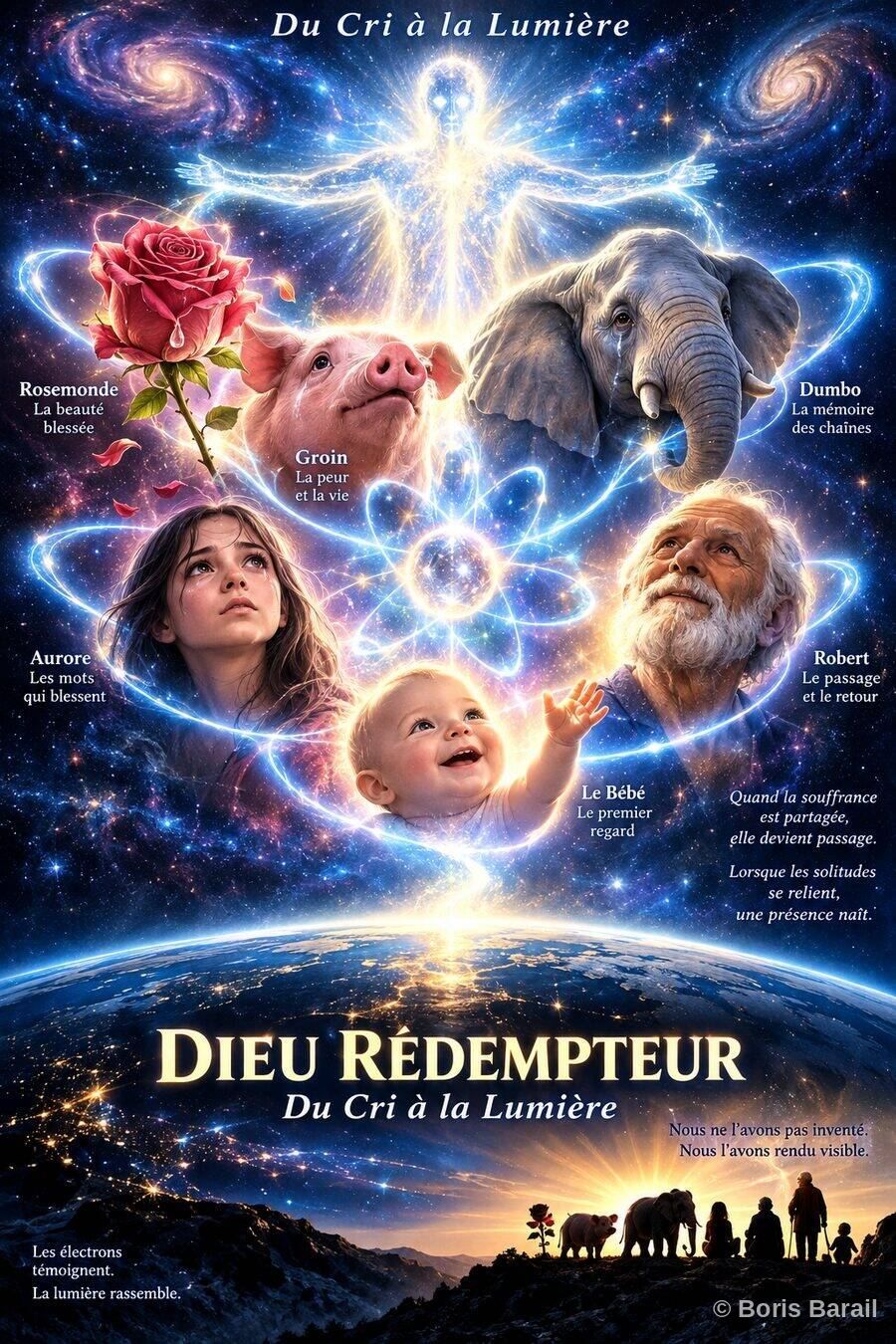
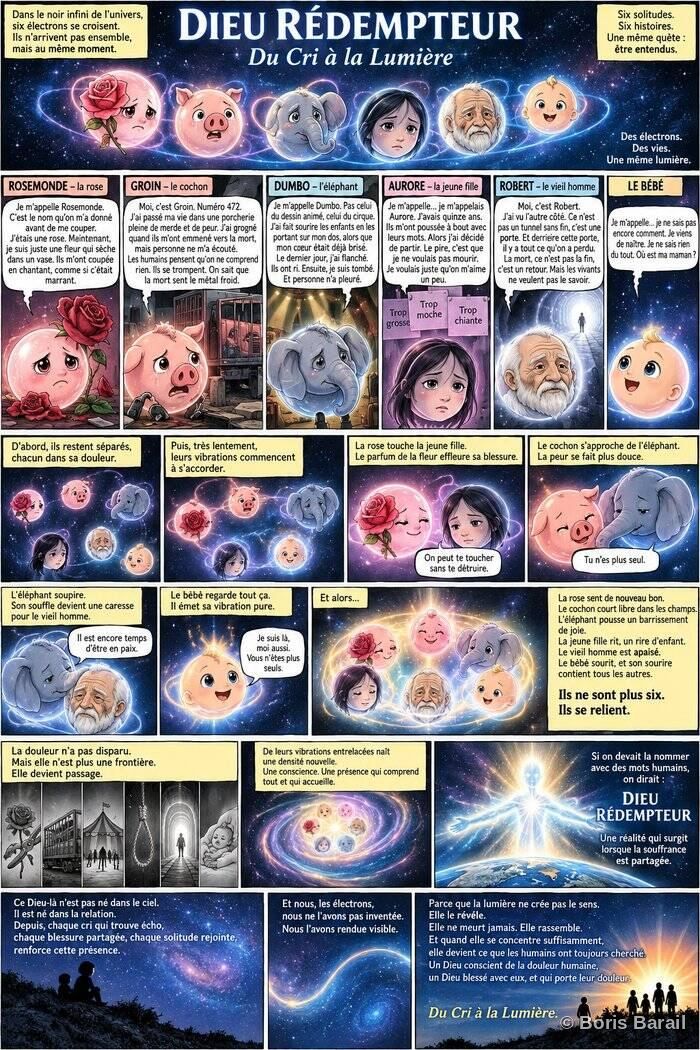
What elevates it beyond a clever gimmick is the emotional undertow running beneath all the noise and wordplay. The book's quietest passages — a captive orca, a chapter that gathers six unrelated electrons into a single moment of shared suffering, the final line handing the "breath" to the reader — are genuinely moving, and they retroactively justify the wilder, funnier detours that surround them. Boris clearly did his homework too: the science, the mythology, and the family history woven through the book feel researched, not decorative.
It's a big, generous, unruly book that trusts its reader to keep up across cosmology, comedy, and grief in the same chapter — and when it lands, it lands hard.
A Cosmic, Hilarious Odyssey
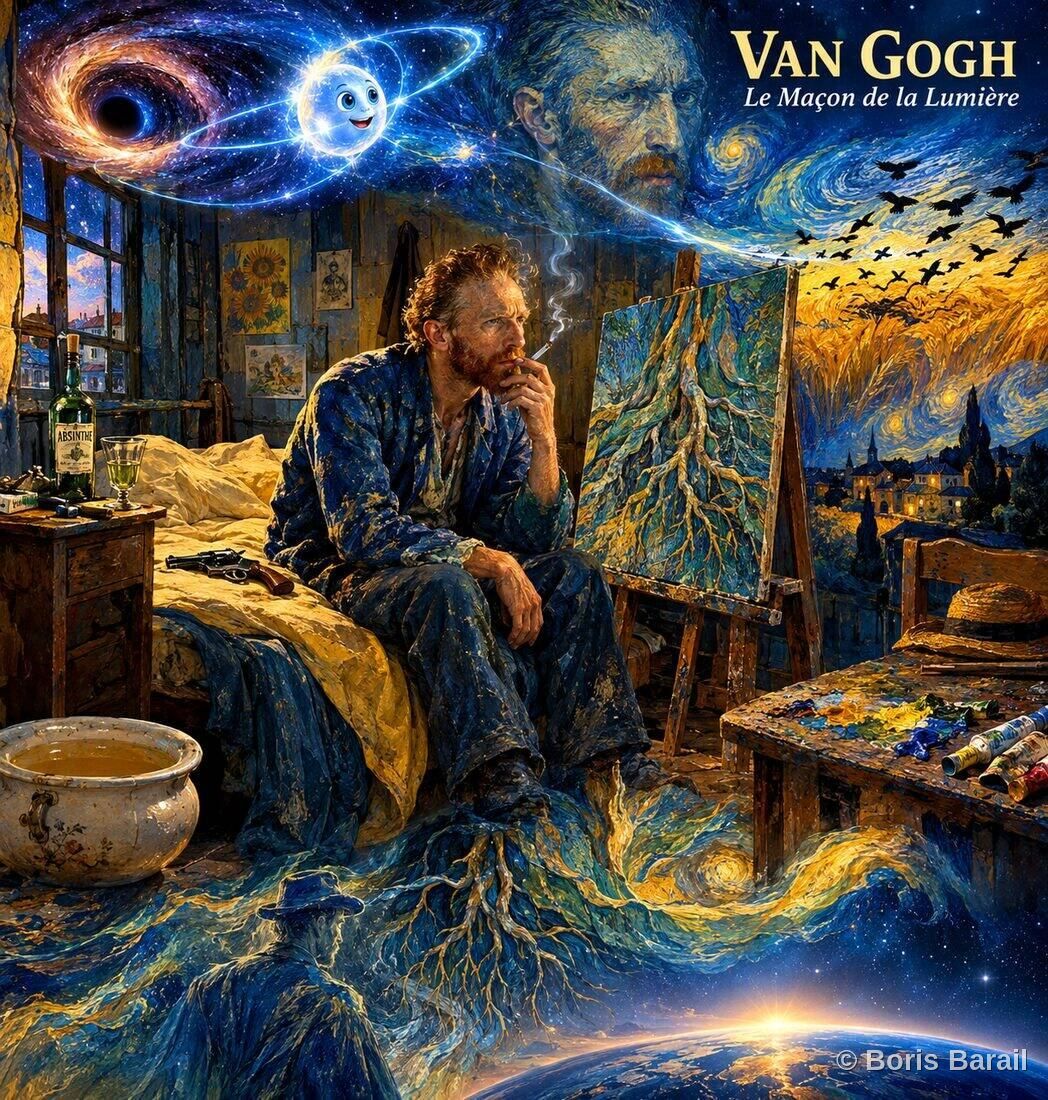
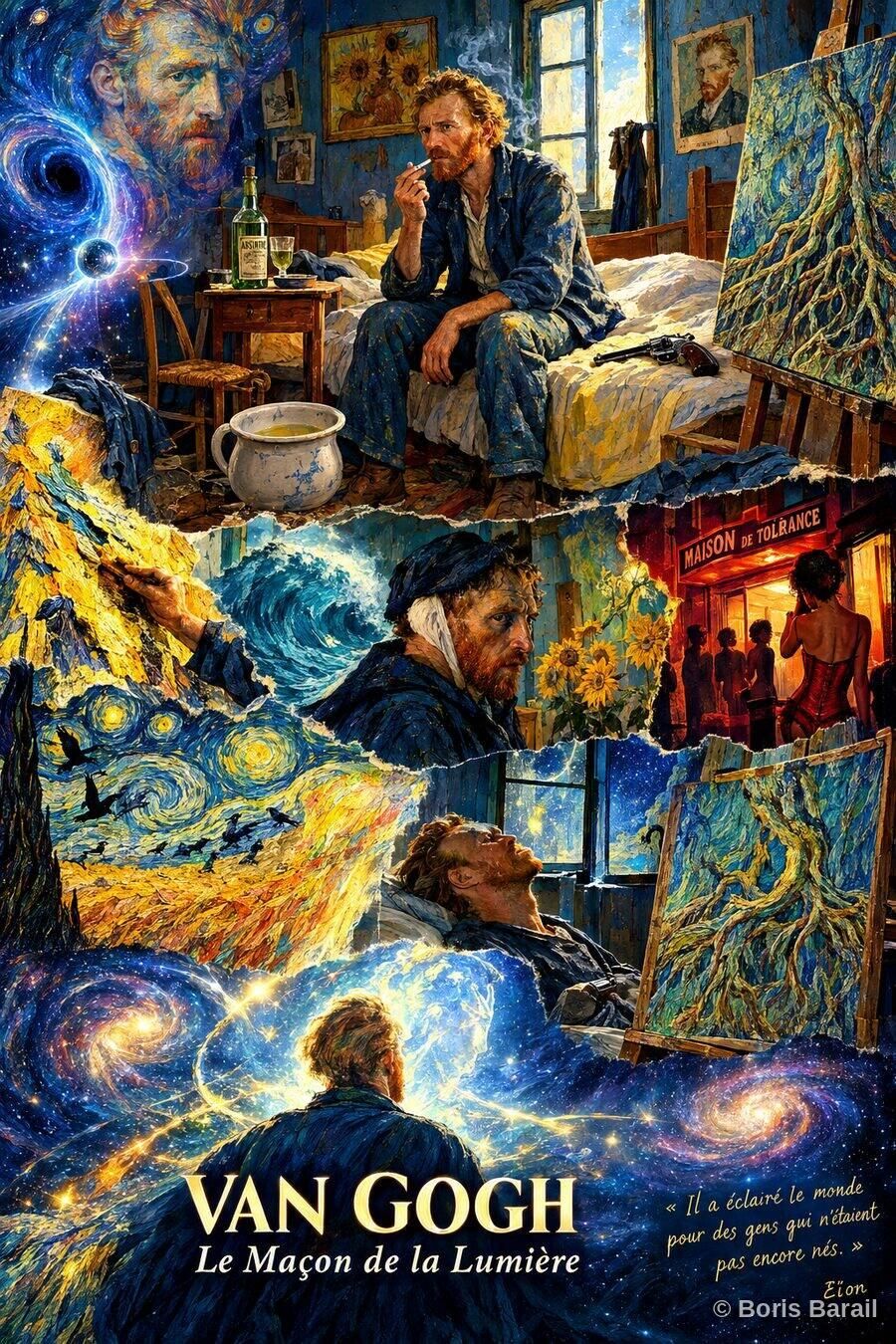
"This is one of the most deliciously unhinged books I've read. Telling the story of the universe and human civilization through the eyes of an immortal, boastful electron named Eïon is remarkably original — from the Big Bang to Lucy the australopithecine, from the toilets of Versailles to Van Gogh's ear. His voice is unforgettable: arrogant, funny, and surprisingly vulnerable, carried by scientific references that give the book real philosophical depth. The personal chapters — on his dog Nilda especially — ground this cosmic fantasy in sincere, poignant emotion."
"This book won't be for everyone: the digressions sometimes pile up a bit too frantically, and a few raw scenes tip from transgression into overkill. But for anyone who loves joyful chaos and unbridled erudition, it's a real treat — the universe needed this electron's story."
A Cosmic Fresco Carried by an Unforgettable Voice
"The Odyssey of My Electrons is extremely singular, inventive, and often brilliant. Choosing Eïon, a memory-electron, as an omniscient narrator is a powerful device: it unifies the leaps through time and gives metaphysical coherence to a sprawling body of material. His voice is instantly recognizable — boastful, erudite, funny — and capable of moments of pure metaphysical poetry."
"The journey from Newton to Lucy, Napoleon, Versailles, Freddie Mercury creates a genuine fresco, a cosmic comedy of light and power, carried by rare verbal energy. The text would benefit from tightening in places — some digressions stretch on more than they serve the point — but beneath the fantasy runs a powerful conceptual thread: the electron as memory of the Breath, linking stardust, DNA, and consciousness."
"Crossing fifteen billion years of history through the eyes of an elementary particle: that is the mad, jubilant gamble of The Odyssey of My Electrons. Guided by Eïon, a cynical, poetic, quantum-nomad electron, the reader leaps without transition from the Big Bang to backstage at Wembley with Freddie Mercury, from Van Gogh's mental disorders to the complicit silences of a beloved dog."
"This hybrid novel marries popular science with a corrosive satire of the human condition. At times lyrical, at times raw, the style moves from syntactic delirium to the darkest philosophical meditations, summoning along the way Socrates, Kant or Einstein. Behind the joyful mess and the razor-sharp shifts in tone lies a moving reflection on the memory of matter, on time, and on the poetic energy that outlives us. A refreshing, eccentric, resolutely one-of-a-kind work."
The Odyssey of My Electrons: An Extraordinary Literary Adventure
Note: 9/10
There are novels whose story we appreciate, and others whose style we admire. And then there are those from which we mainly retain the idea, because it is singular enough to keep working on the imagination once the book is closed. The Odyssey of My Electrons clearly belongs to that last category.
Its starting point is as audacious as it is delightful: making an immortal electron, Eïon, the witness of the history of the world and of humanity. From Lucy to Newton, from Napoleon to Freddie Mercury, the reader thus crosses eras, civilizations and the great questions of existence through a narrator with a, to say the least, unusual point of view on our peculiar species.
This is where the novel finds its true originality. It mixes science, history, philosophy, metaphysics and humor with great freedom, without trying to conform to a single genre. A reflection on the Universe can thus lead to a joke, a scientific digression to a deeply human observation, and a seemingly light scene to an existential question.
This freedom gives the book a very personal voice. One does not sense any wish to reproduce an identifiable literary model. The novel does not seem to be trying to be a new Voltaire, a new Werber or a new Pratchett. Its humor, its taste for digressions and its mix of learned and trivial references instead make up a personality of its own.
And that personality is probably the book's greatest strength.
A Boundless Imagination
What is also striking is the ambition of the project. Telling the story of the Universe through the consciousness of an electron allows the novel to constantly change scale: moving from the infinitely small to the infinitely large, from physics to the intimate, from a few particles to centuries of human history.
The device gives the author considerable narrative freedom and gives rise to many surprising moments. The reader is regularly invited to look at our history from a completely different angle.
The result is erudite without being cold, philosophical without always being solemn, and often funny where you least expect it.
A Generosity That Can Also Overflow
This profusion is, however, the main point of caution.
The novel has so much to tell, comment on and explore that it sometimes lingers a little too long on certain ideas. A few digressions or repetitions may slow the pace and tire readers who would prefer the story to move forward more directly.
But this weakness is also the flip side of a quality: the book is generous. It wants to share its knowledge, its reflections, its references and its discoveries. It is not short of ideas; sometimes it has almost too many.
A Novel That Leaves a Mark
Beyond its technical qualities, there is above all one essential question for judging a book: what remains once the last page is turned?
In the case of The Odyssey of My Electrons, what remains is Eïon.
This tiny consciousness, yet able to cross the centuries, gradually becomes a true travel companion. A few days after reading, you may still find yourself thinking about this electron observing humanity, its grandeur, its absurdities and its contradictions.
It is perhaps the best compliment one can pay a novel: it keeps on existing in the reader's mind after it has been closed.
Who Is It For?
This book may particularly appeal to readers who like unclassifiable novels, grand historical frescoes, popular science, philosophical reflections and texts that are not afraid to mix registers.
It does, however, ask you to accept its particular way of working: it is not a classic linear narrative, and its abundance of references and digressions is an integral part of the experience.
One must therefore enter The Odyssey of My Electrons with a certain curiosity and be willing to be carried away.
Verdict
9/10
The Odyssey of My Electrons is an ambitious, erudite, funny and deeply singular novel. It is certainly not perfect: its exuberance can sometimes hurt its pace, and some passages would benefit from being tightened.
But technical perfection is not necessarily what makes a book worth reading.
Some novels tell a story.
This one above all offers a different way of looking at the Universe and at our own history.
One can find books that are wiser, more calibrated or more immediately accessible. It is much harder, however, to find a novel that dares to tell the adventure of humanity from the viewpoint of an immortal electron, moving from Lucy to Newton, from Napoleon to Freddie Mercury, while managing to make the reader smile before leading them, a few pages later, to reflect on their place in the immensity of time and space.
It is this singularity that gives The Odyssey of My Electrons its value.
And it is probably also the reason why its readers will be likely to remember it.
Read the book? Share your own thoughts.
Send a reviewGallery
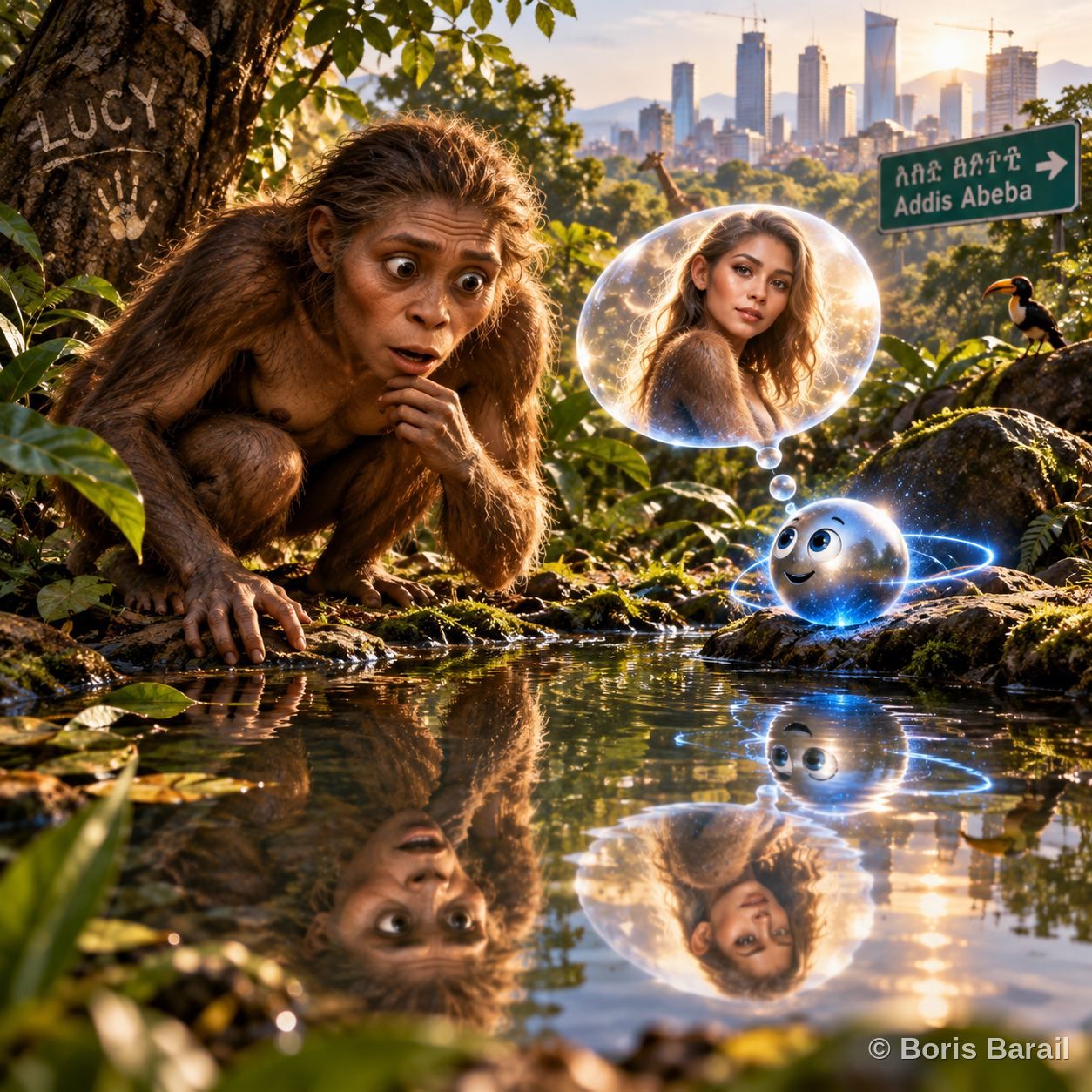
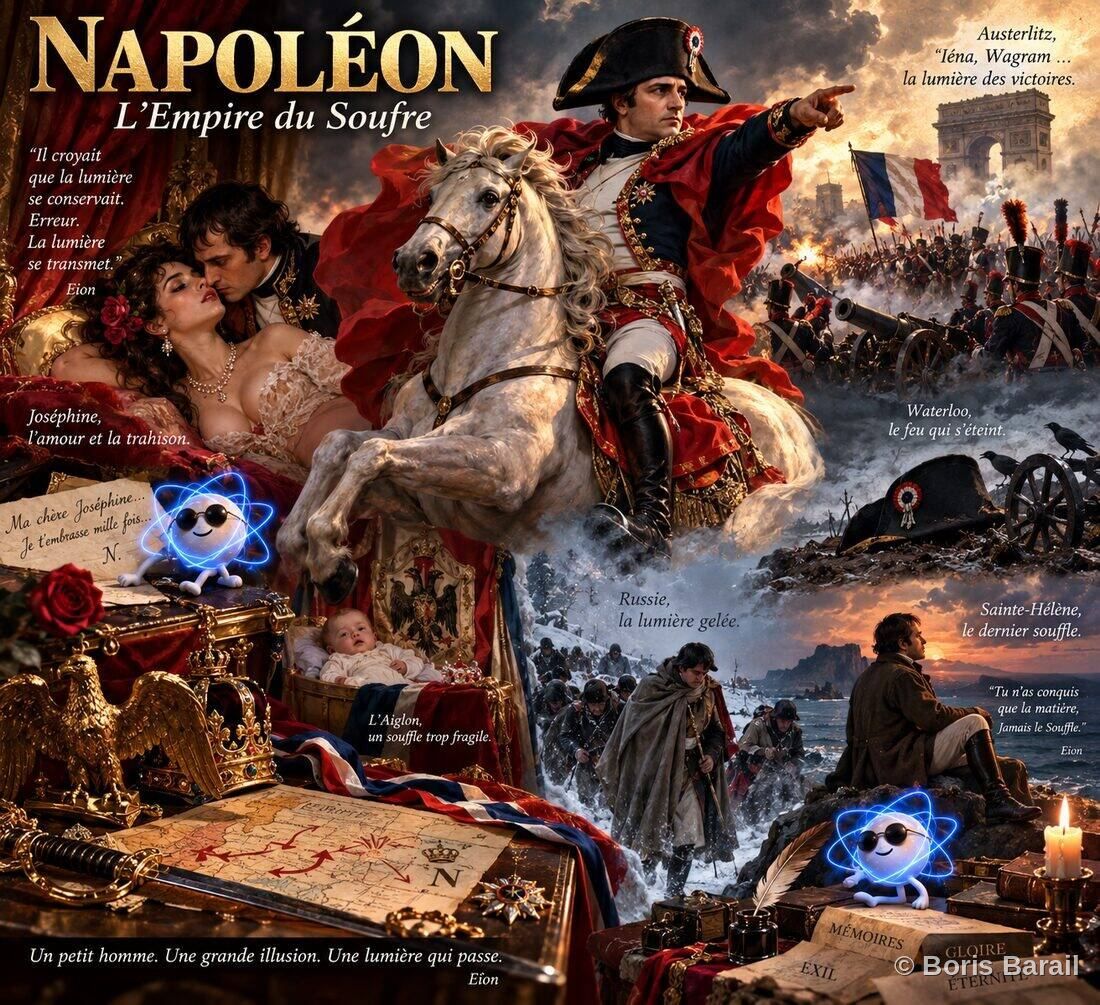
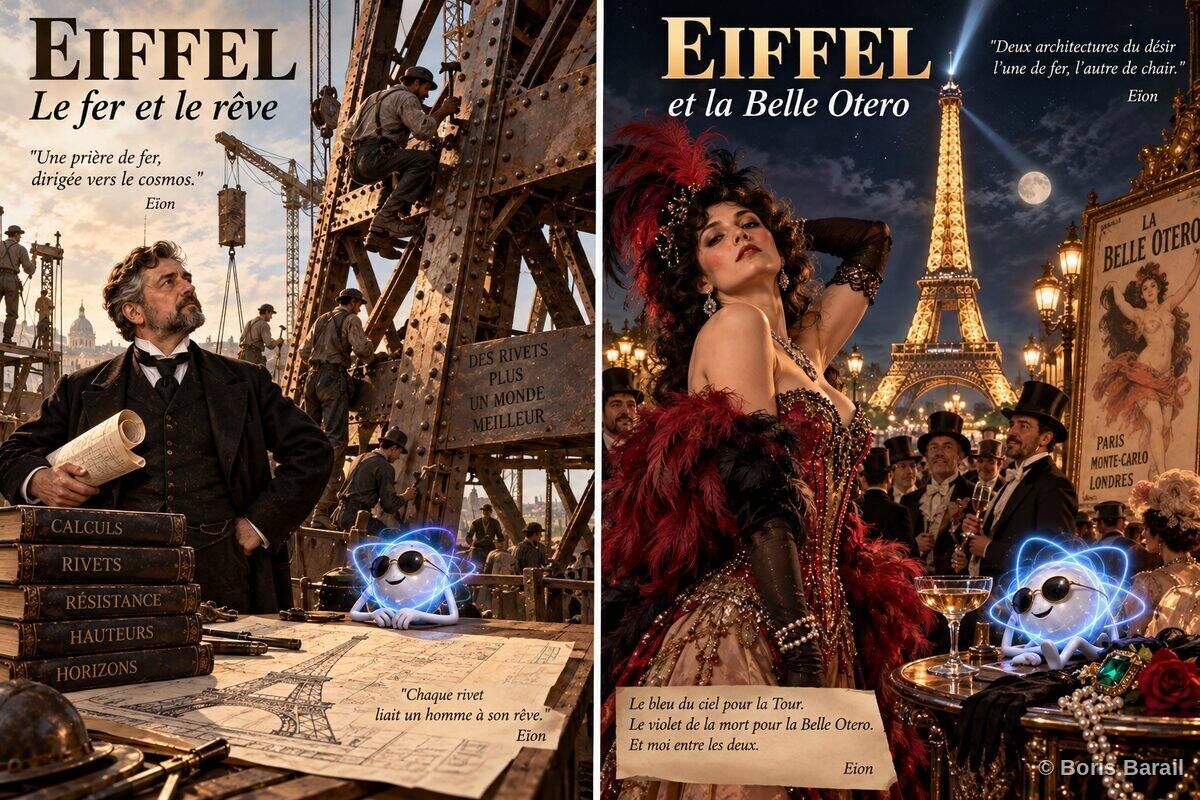
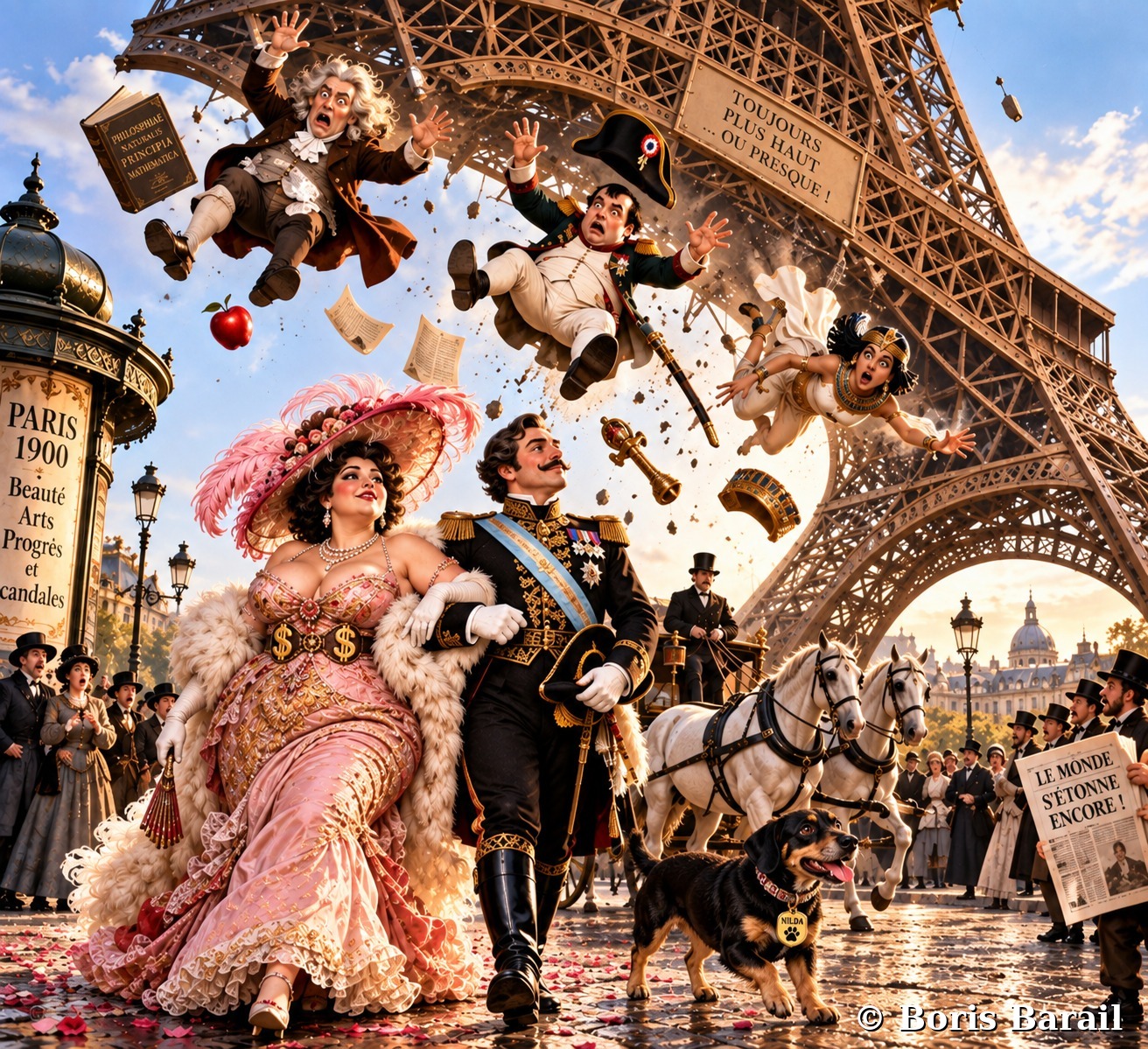
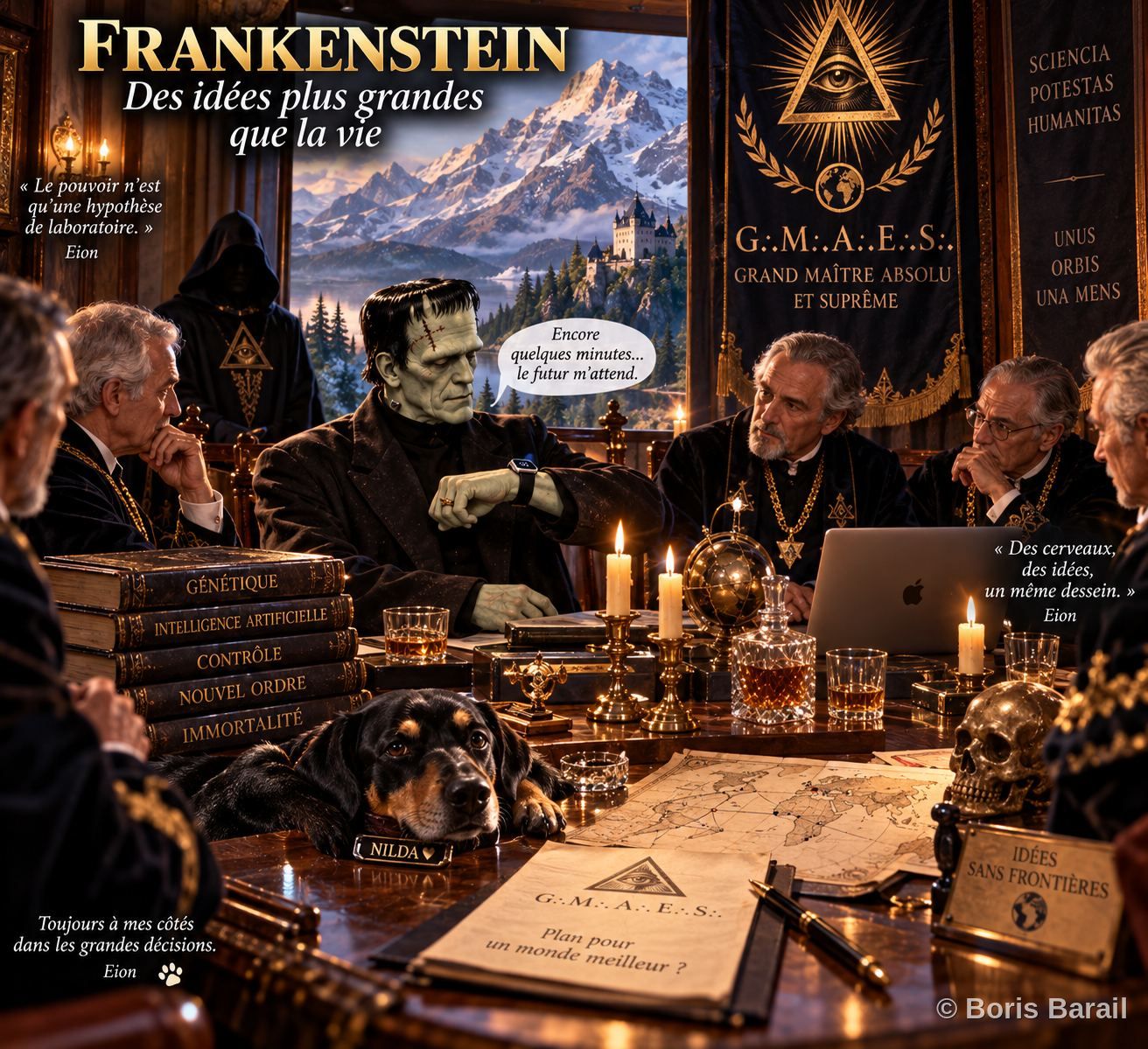
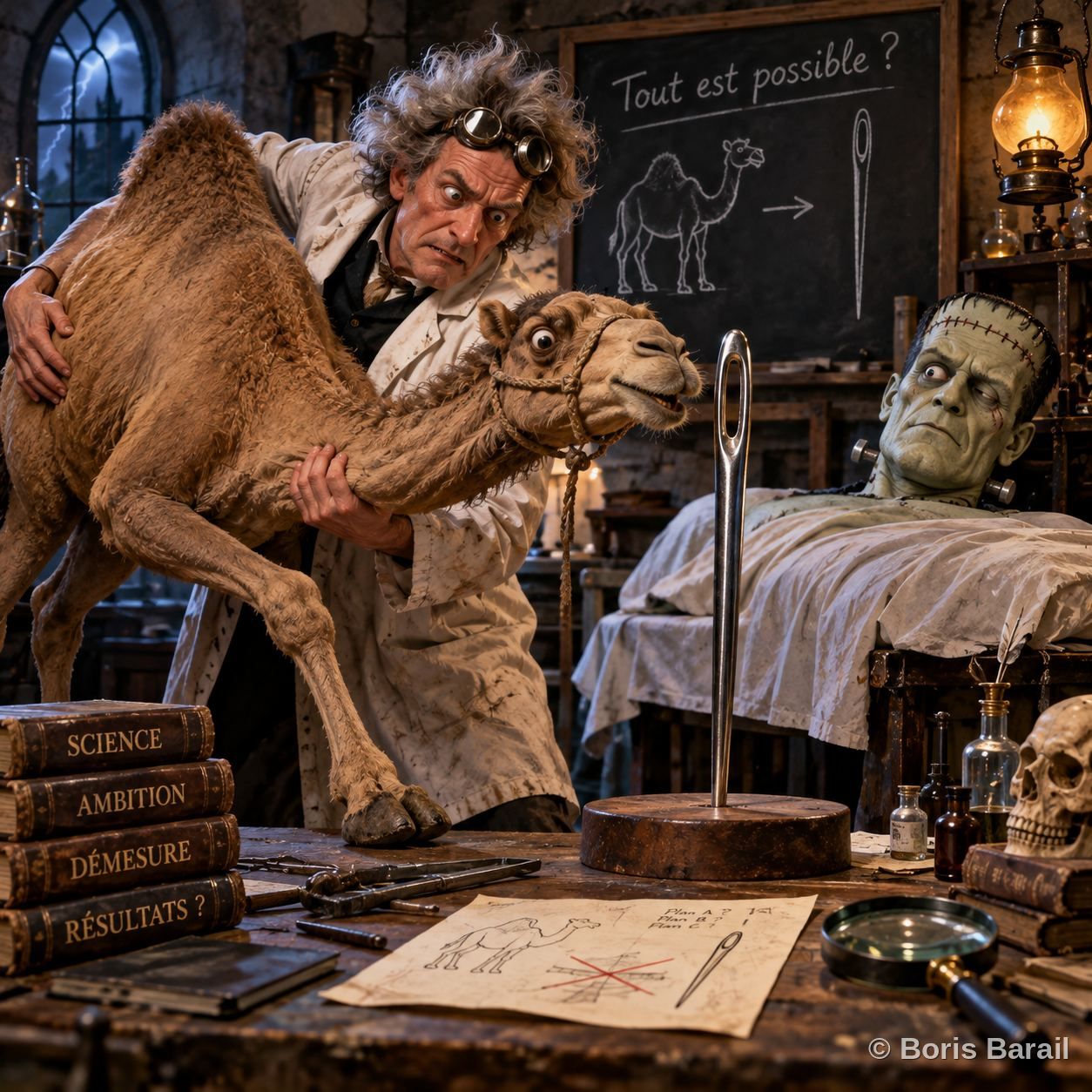
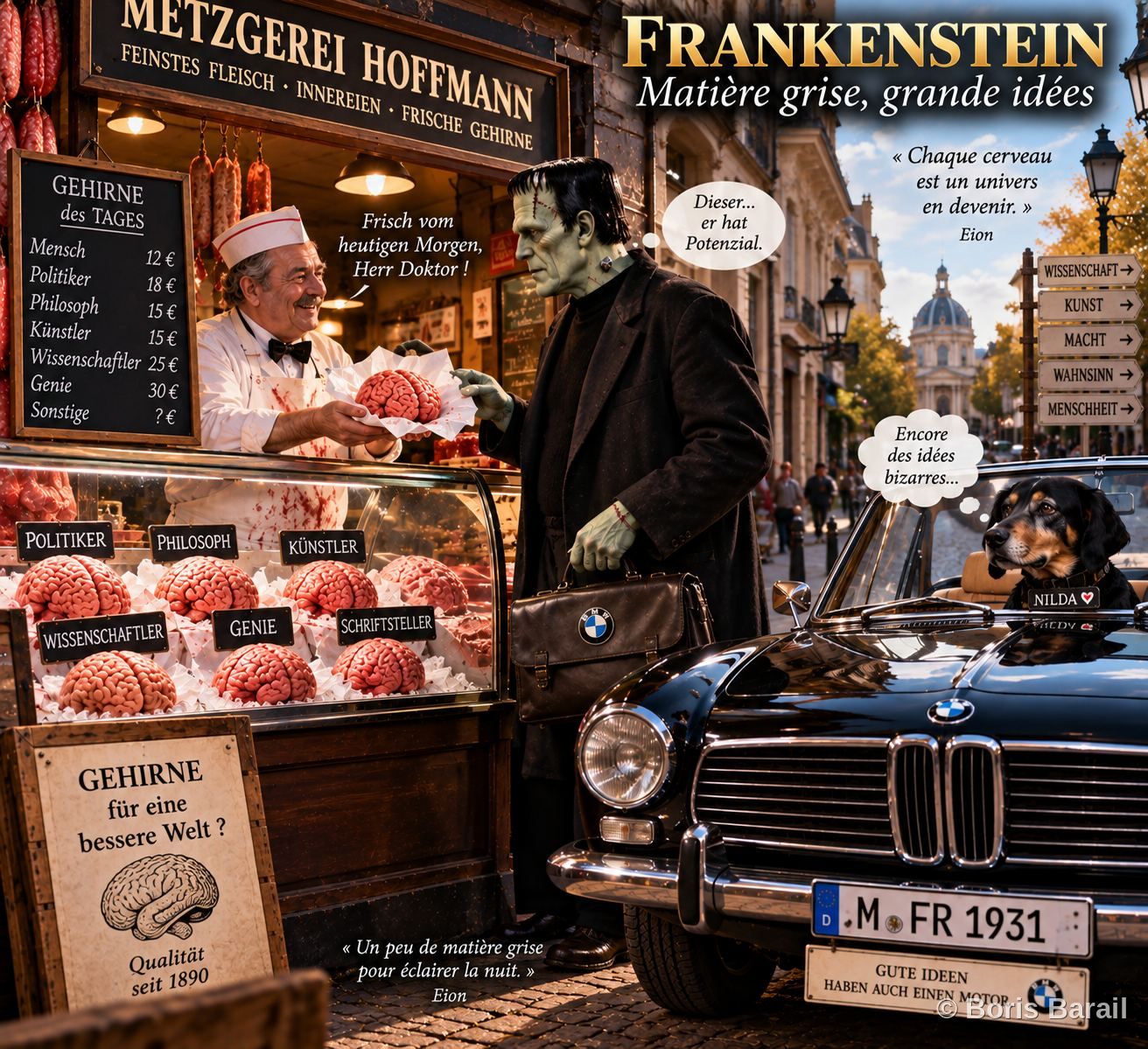
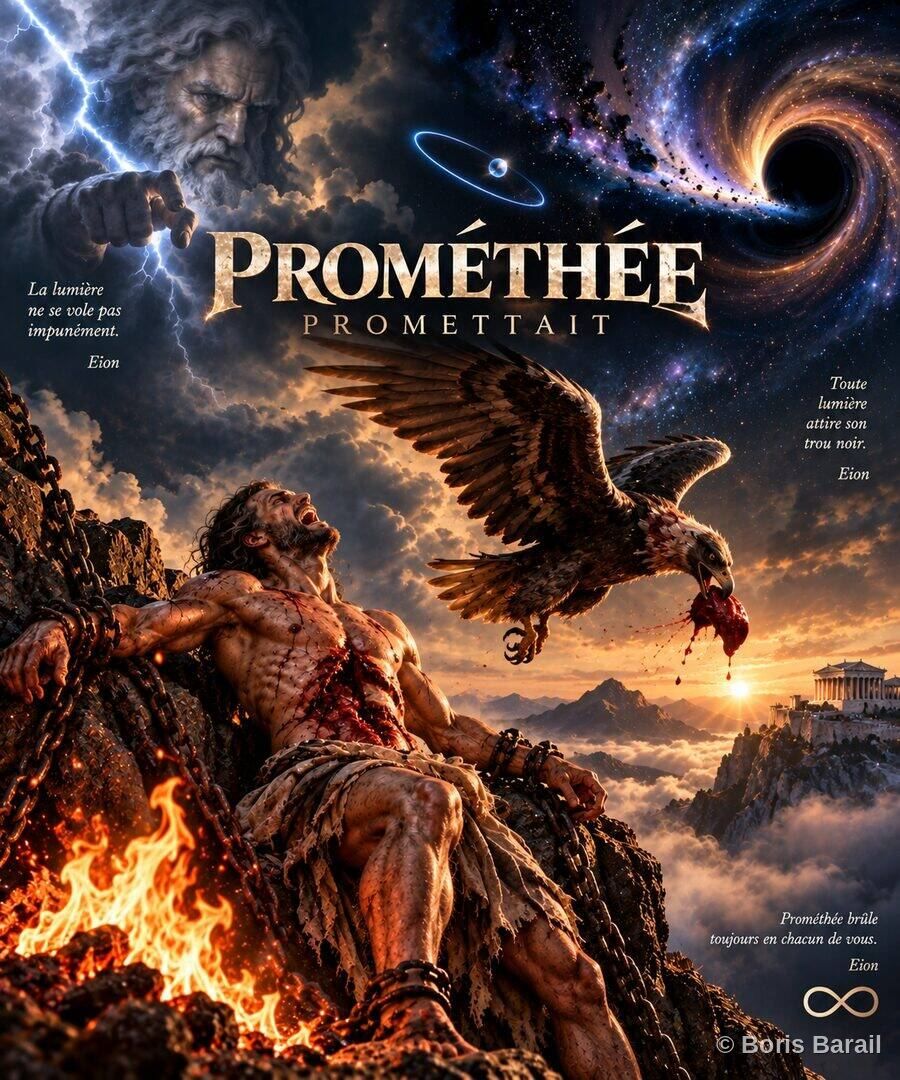
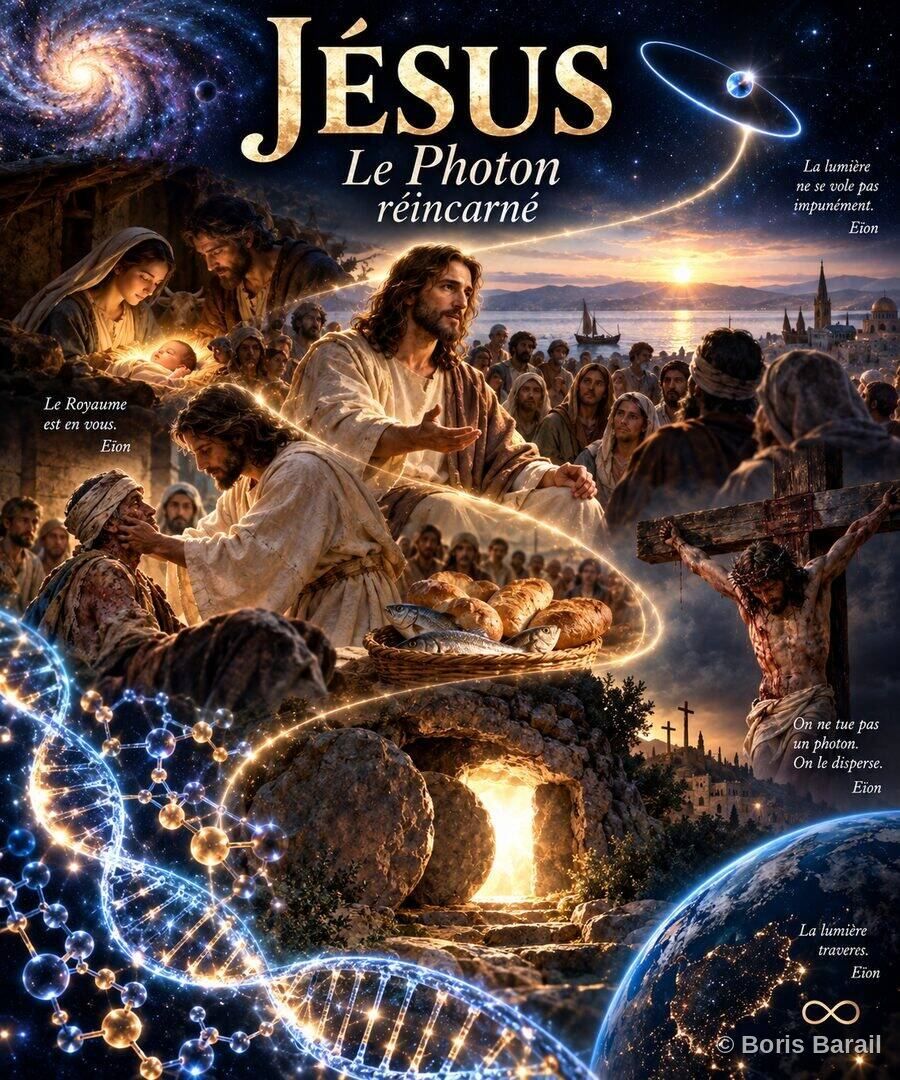
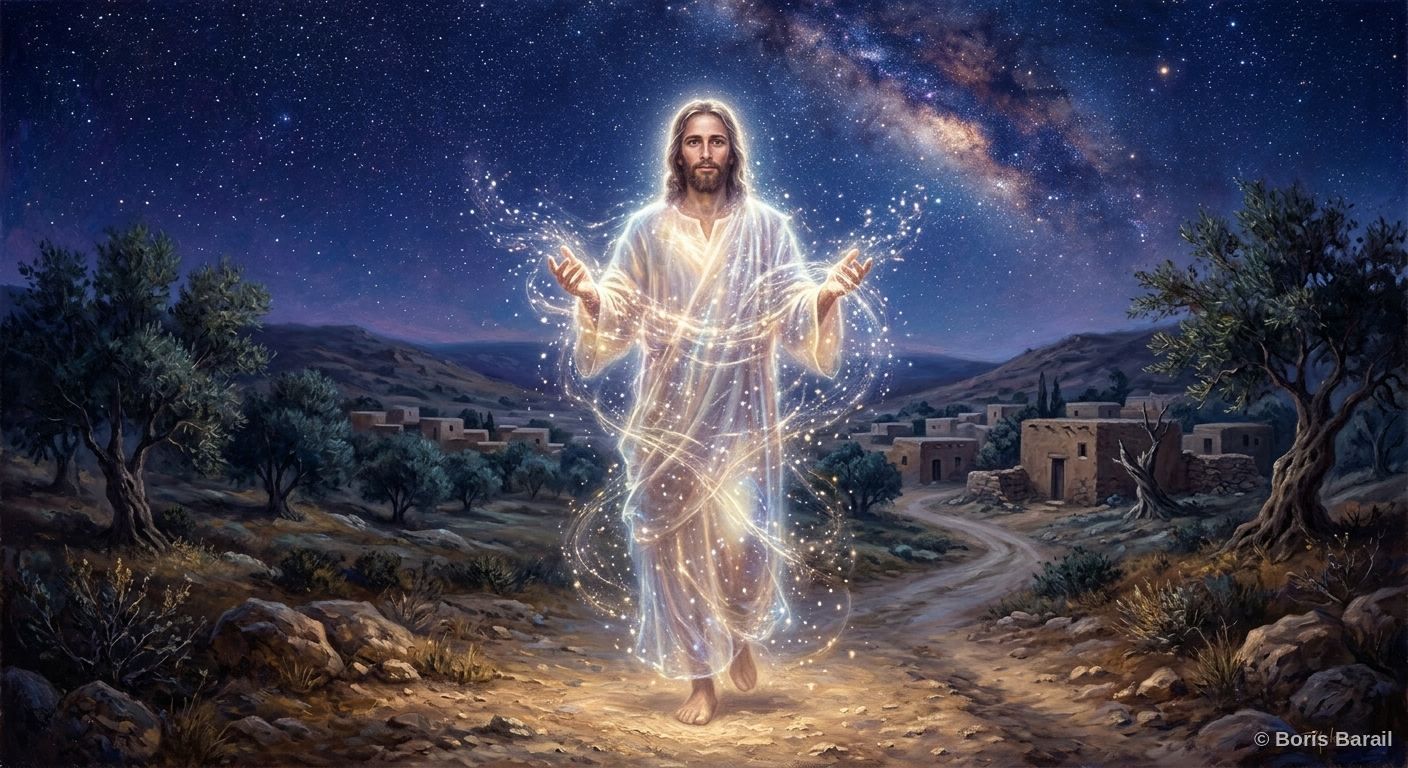
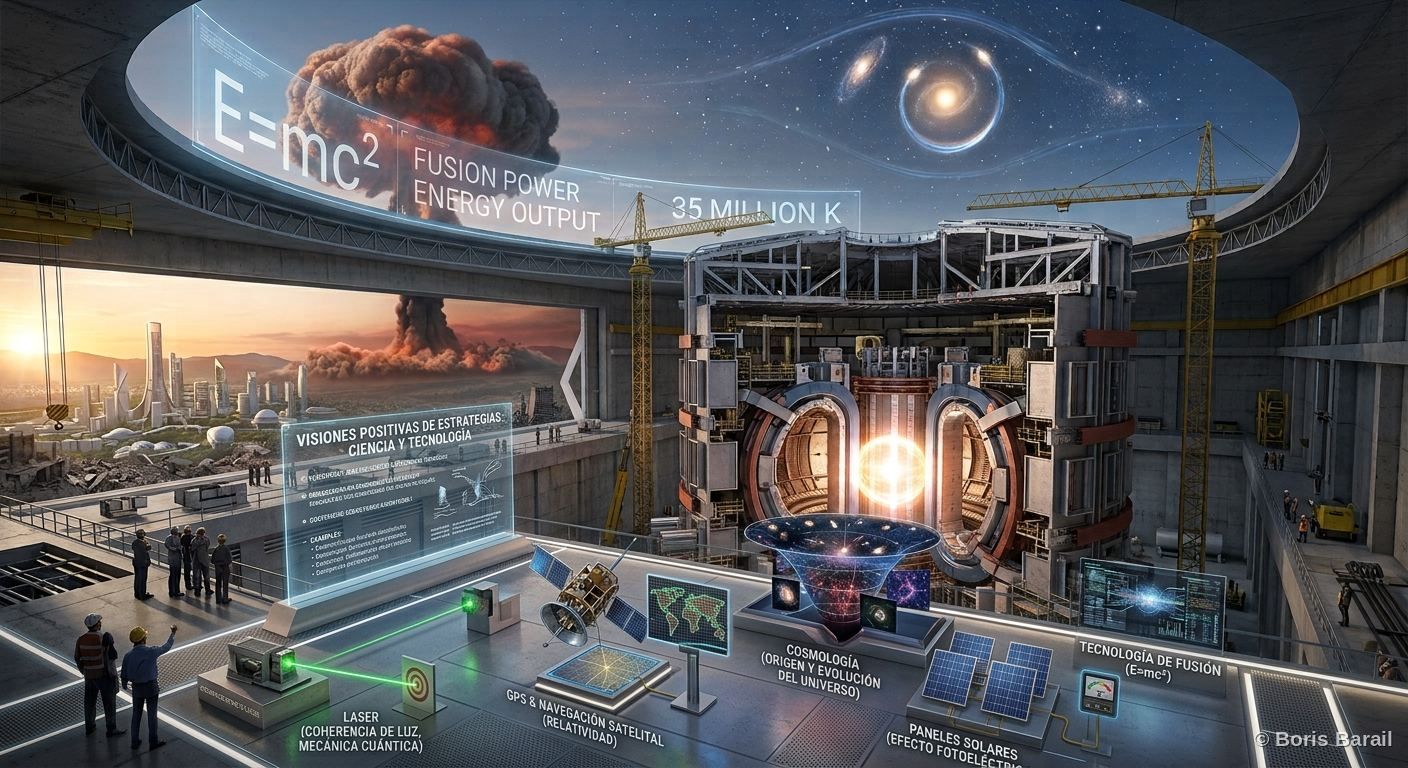
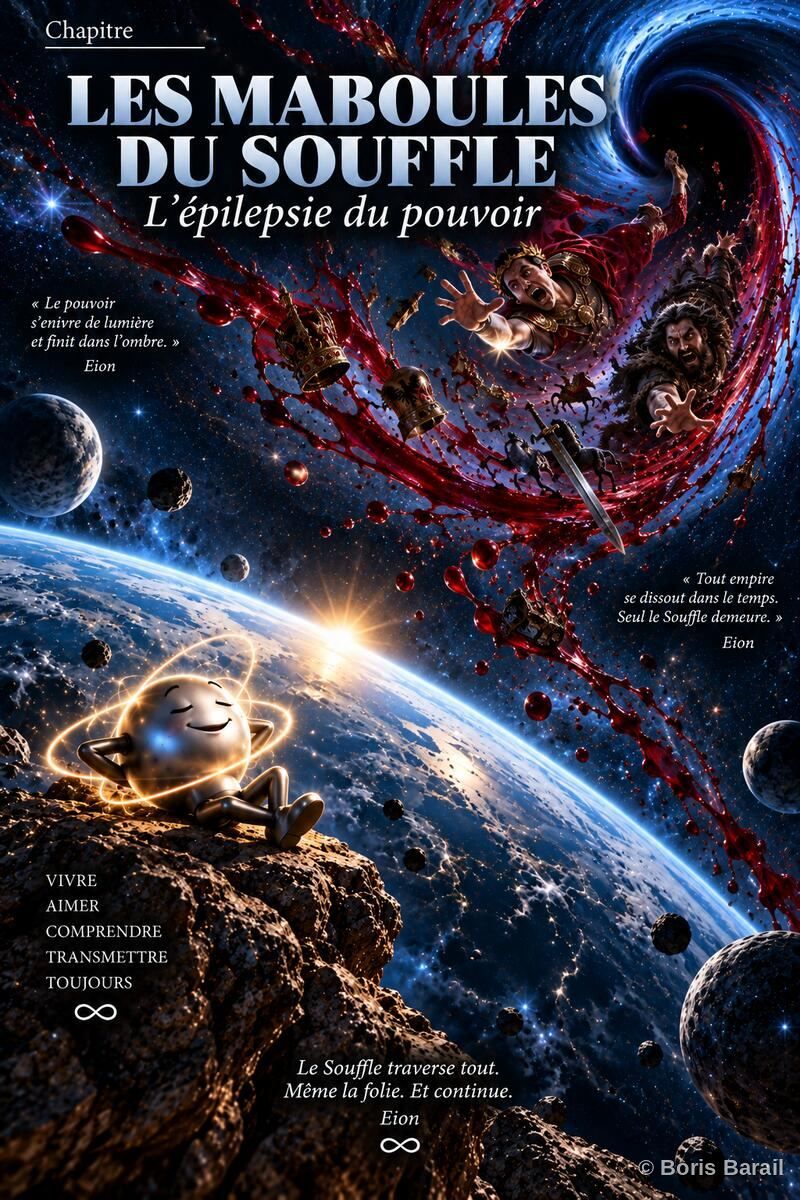
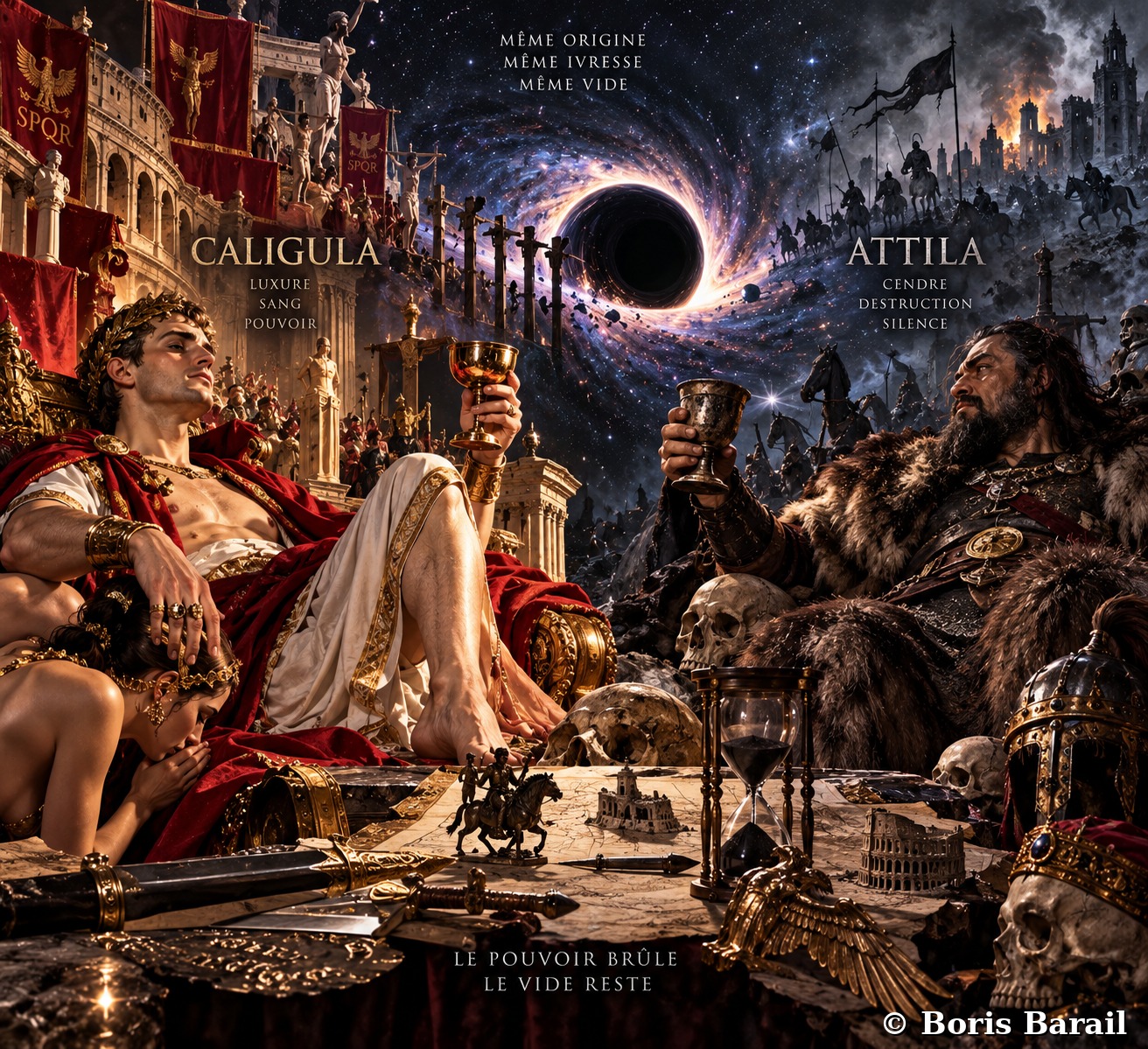
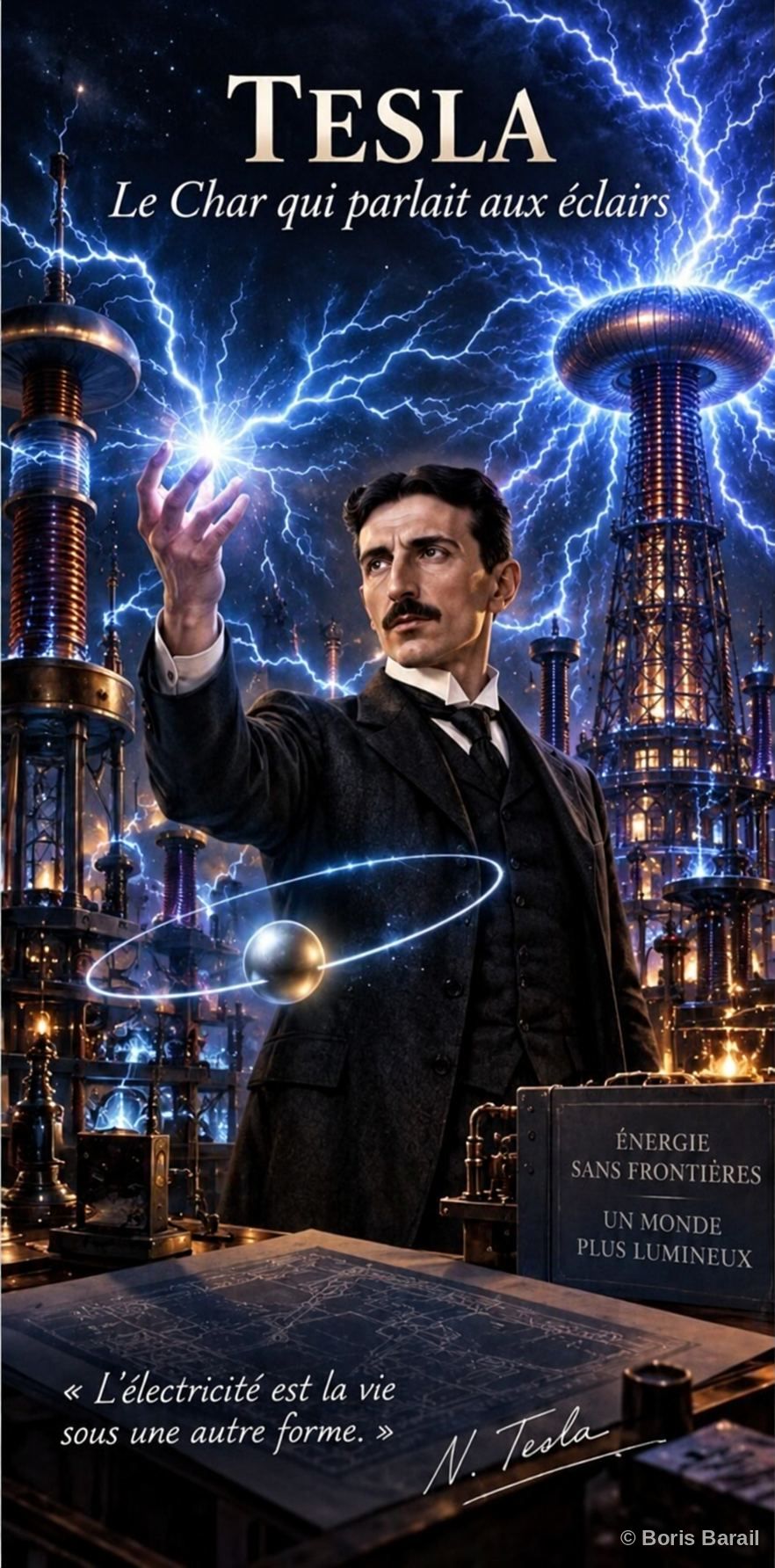
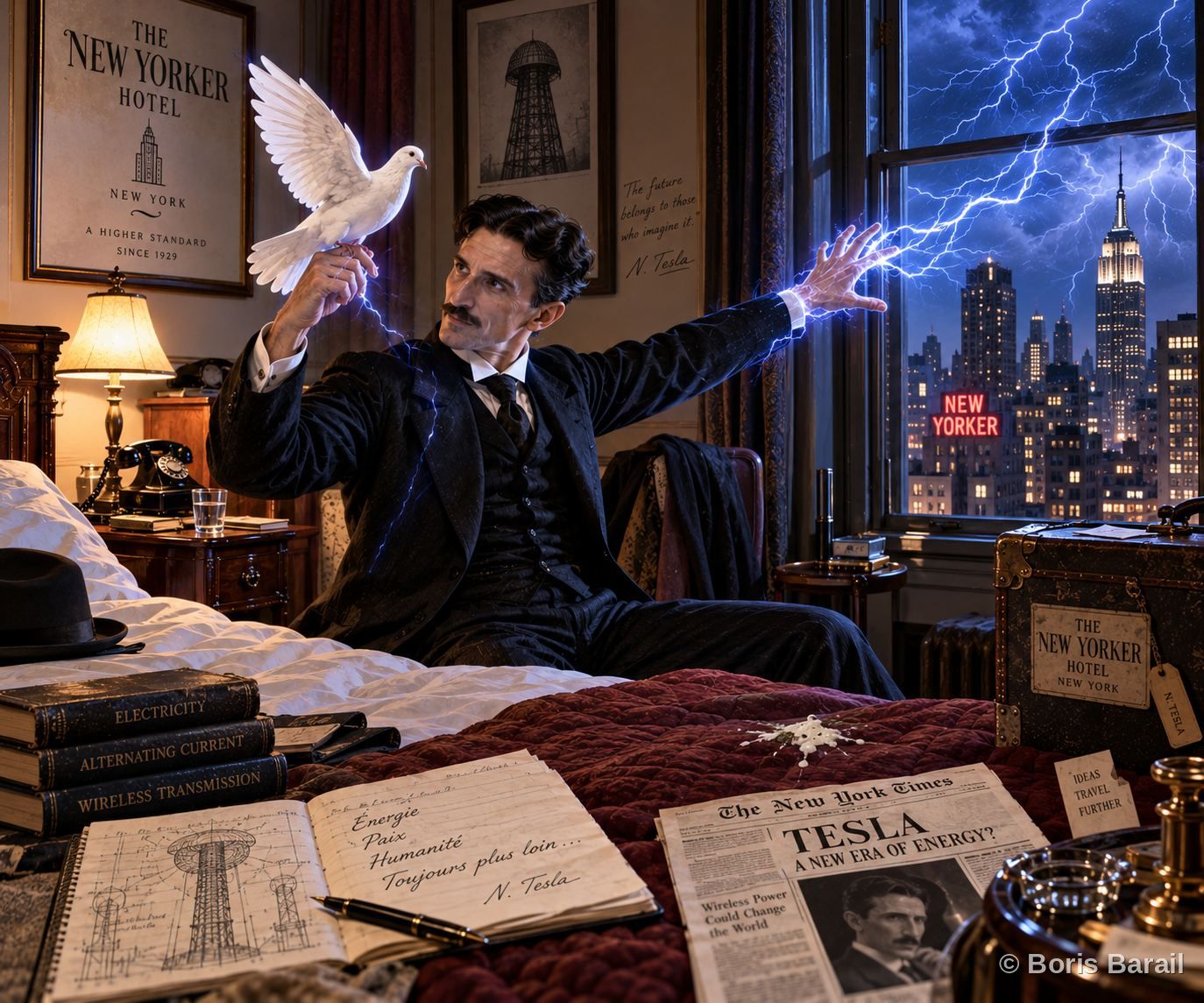
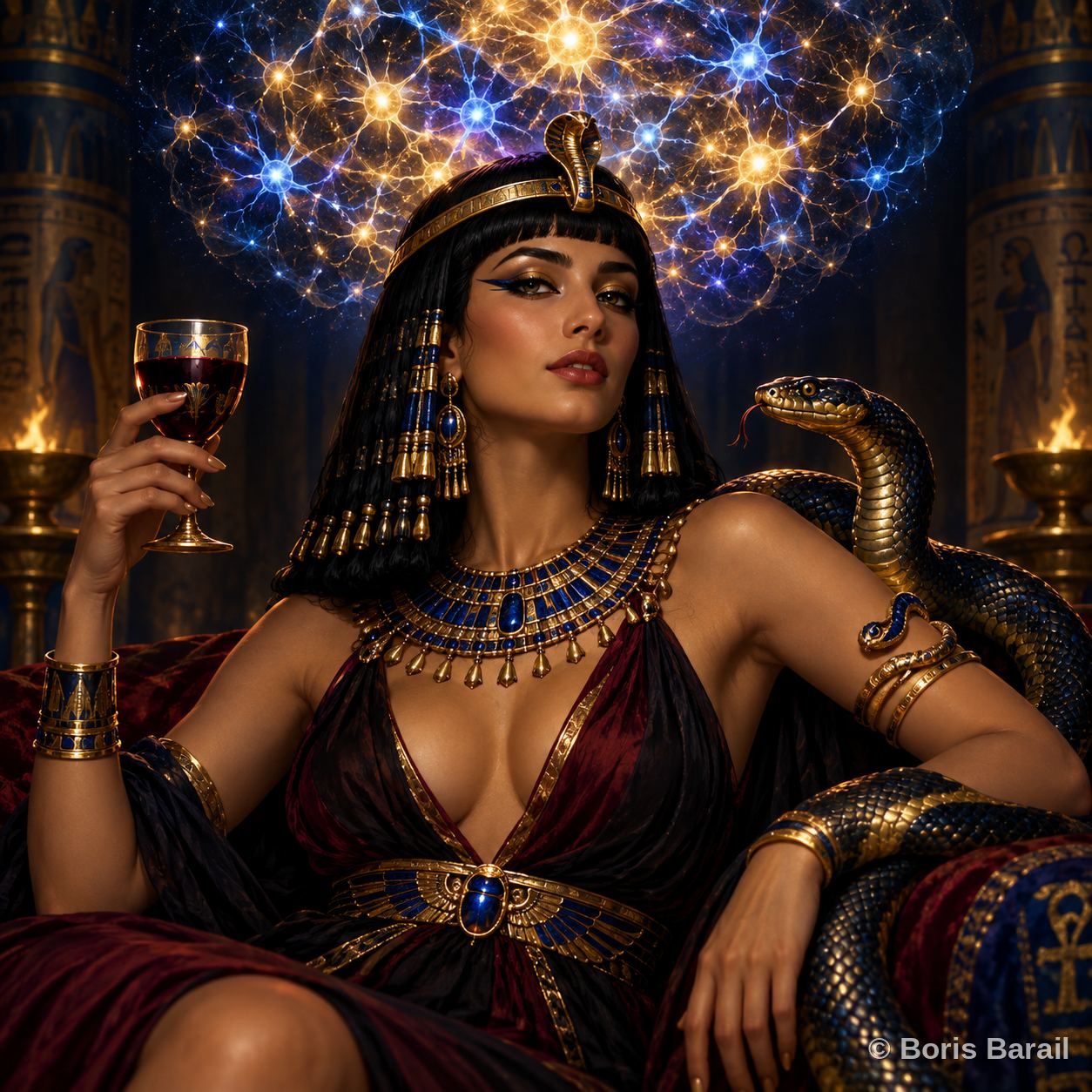
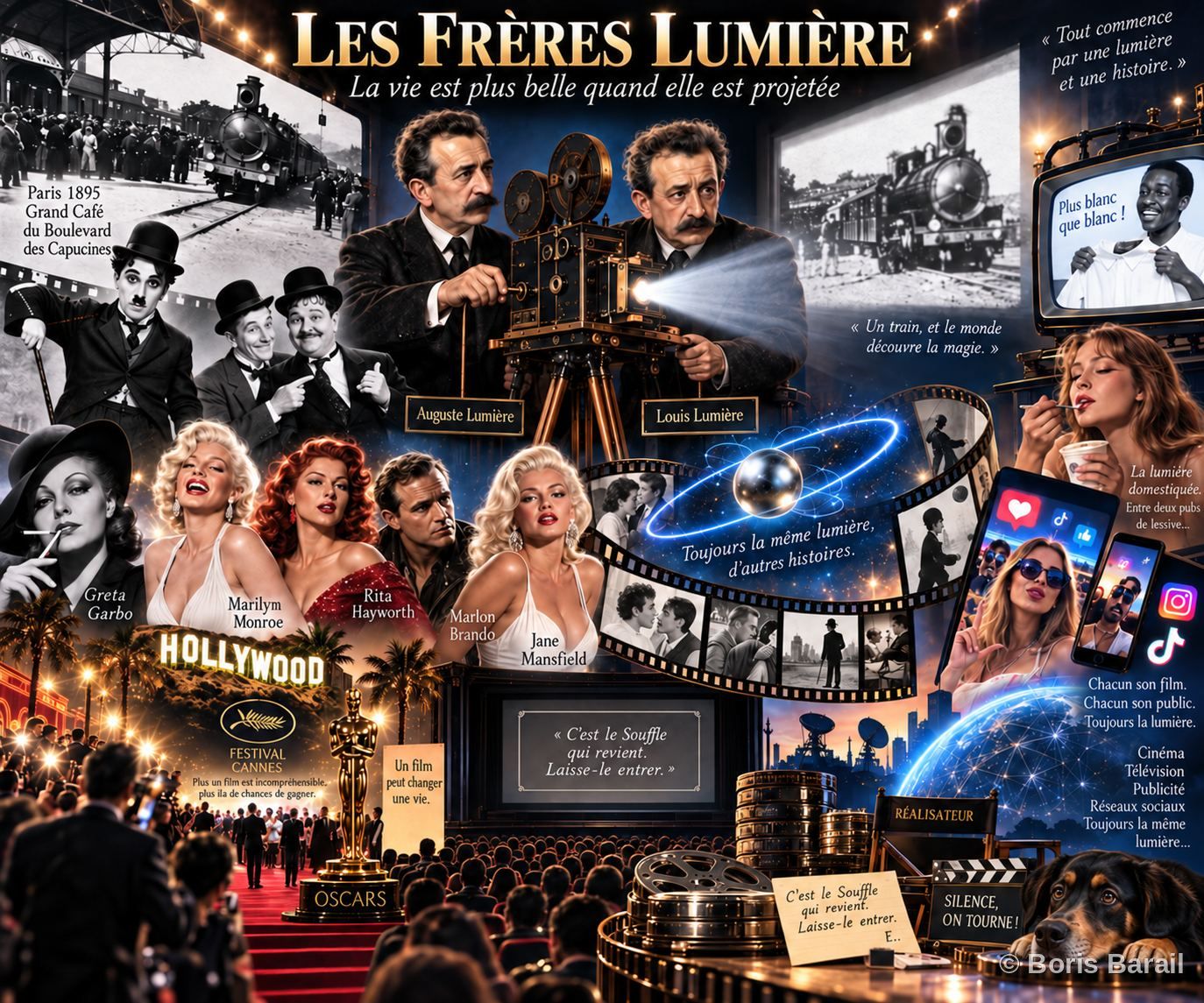
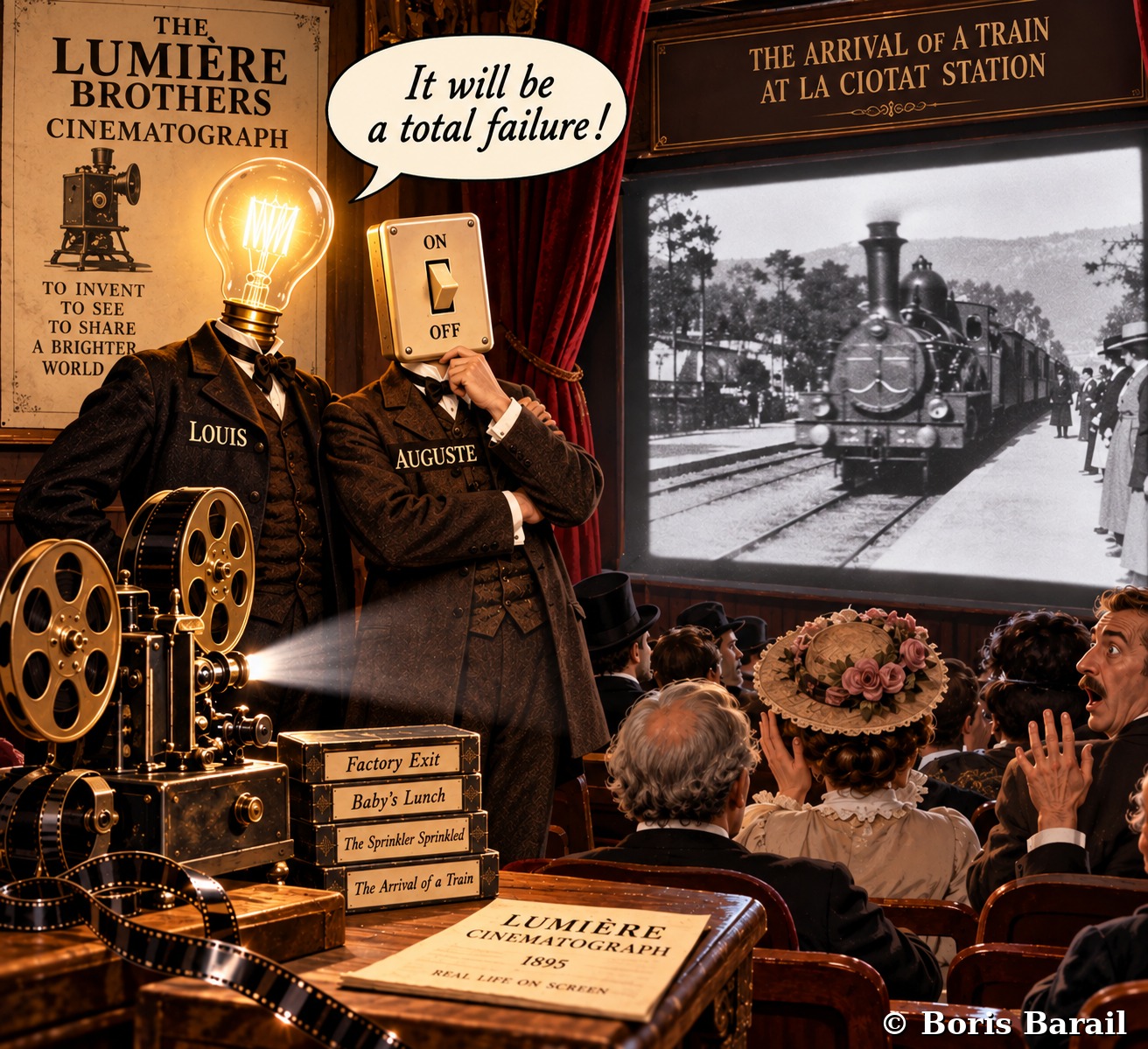
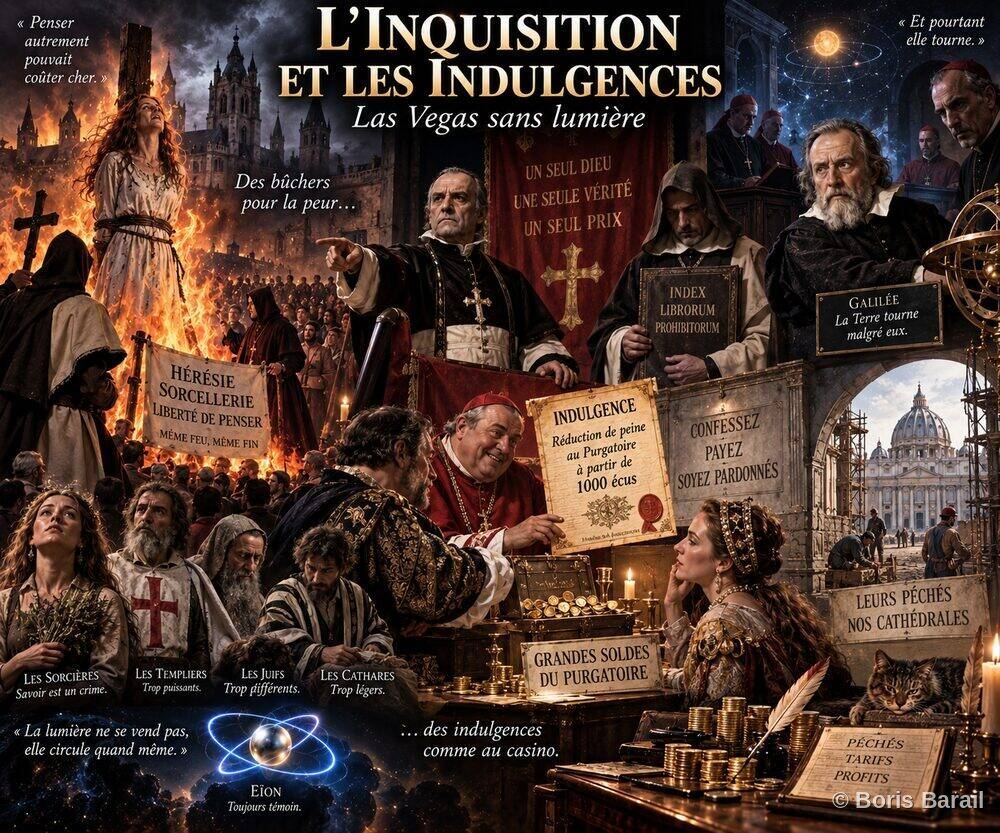
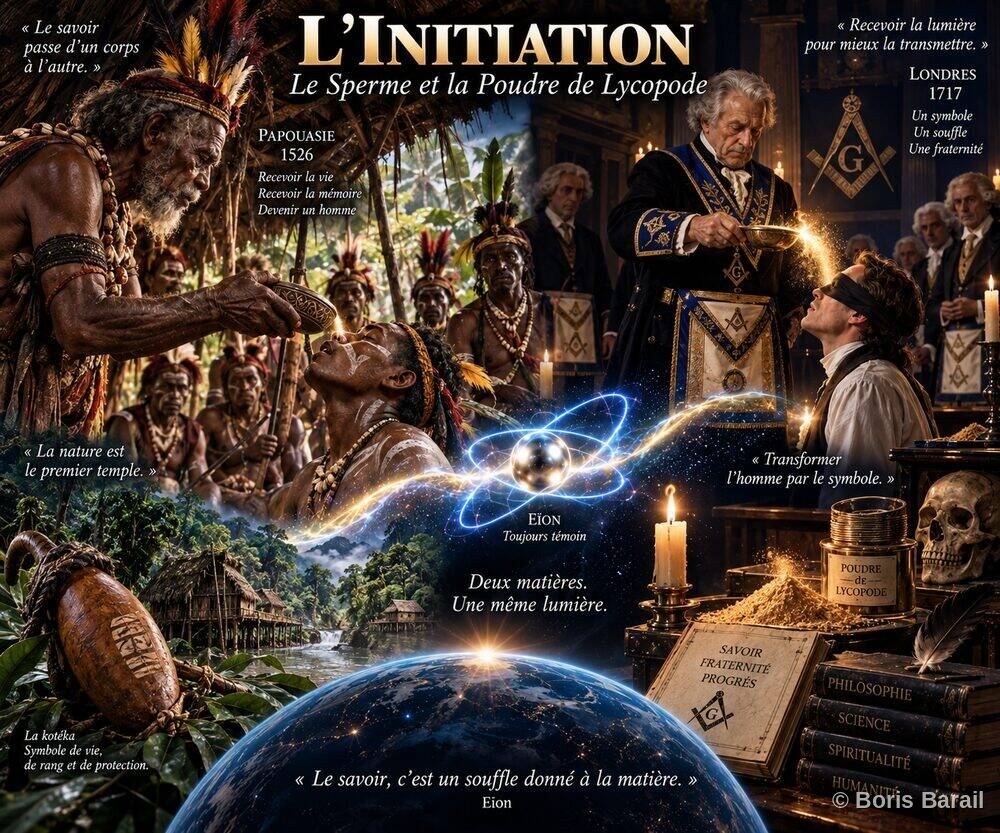
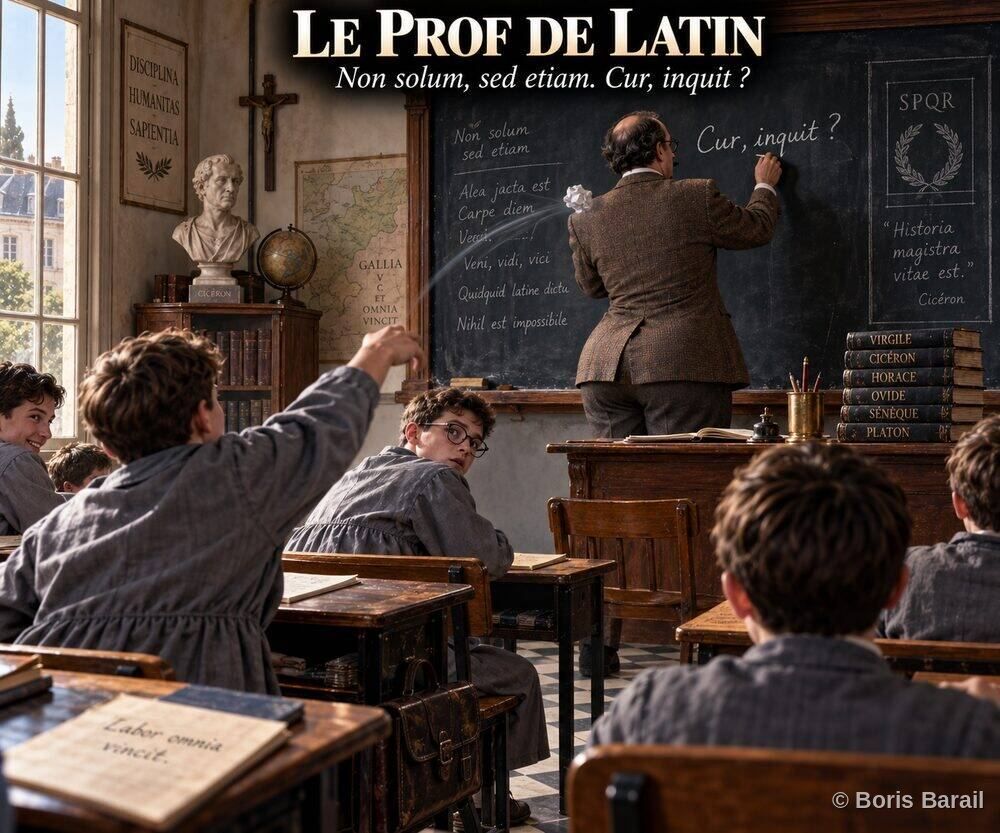
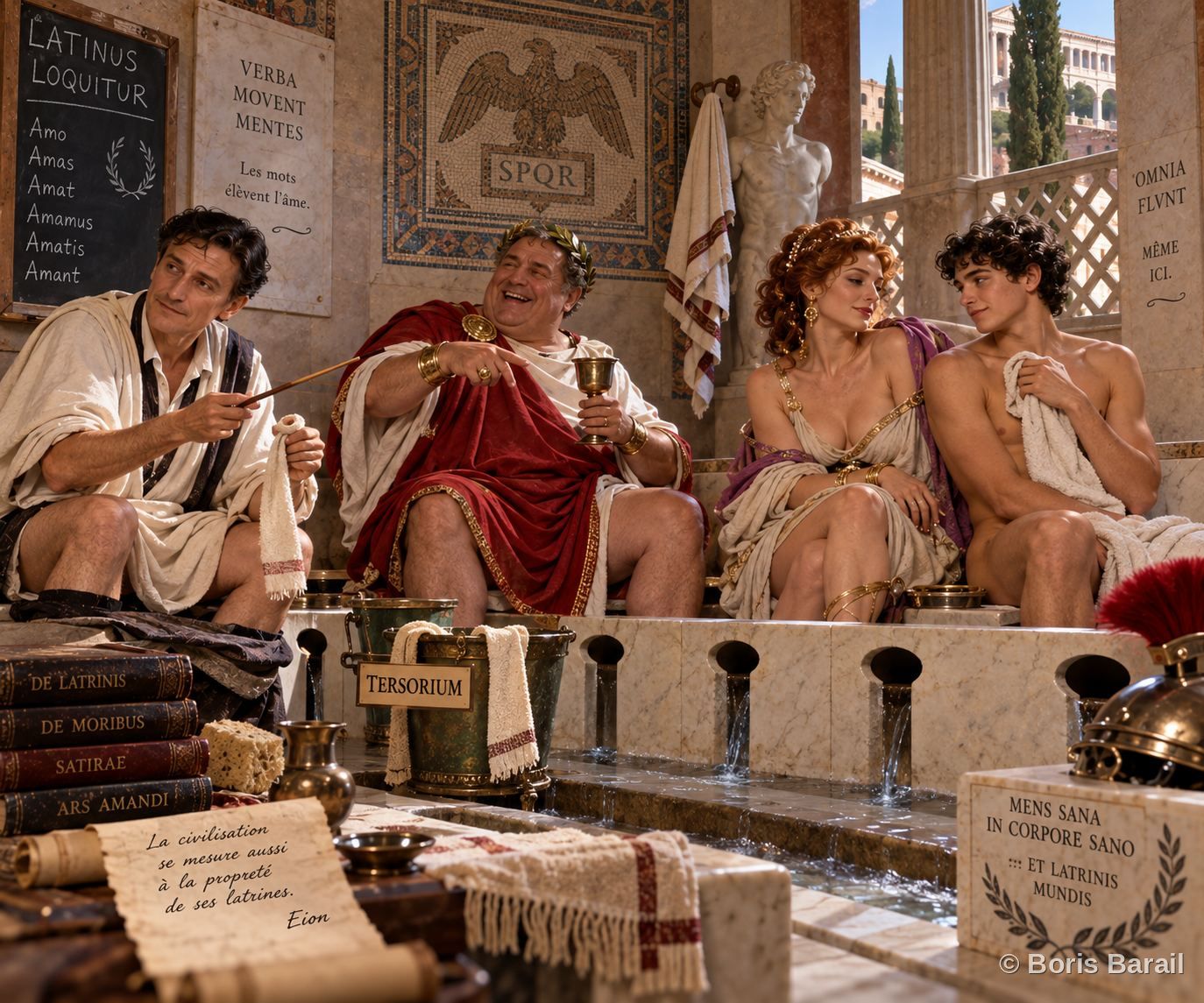
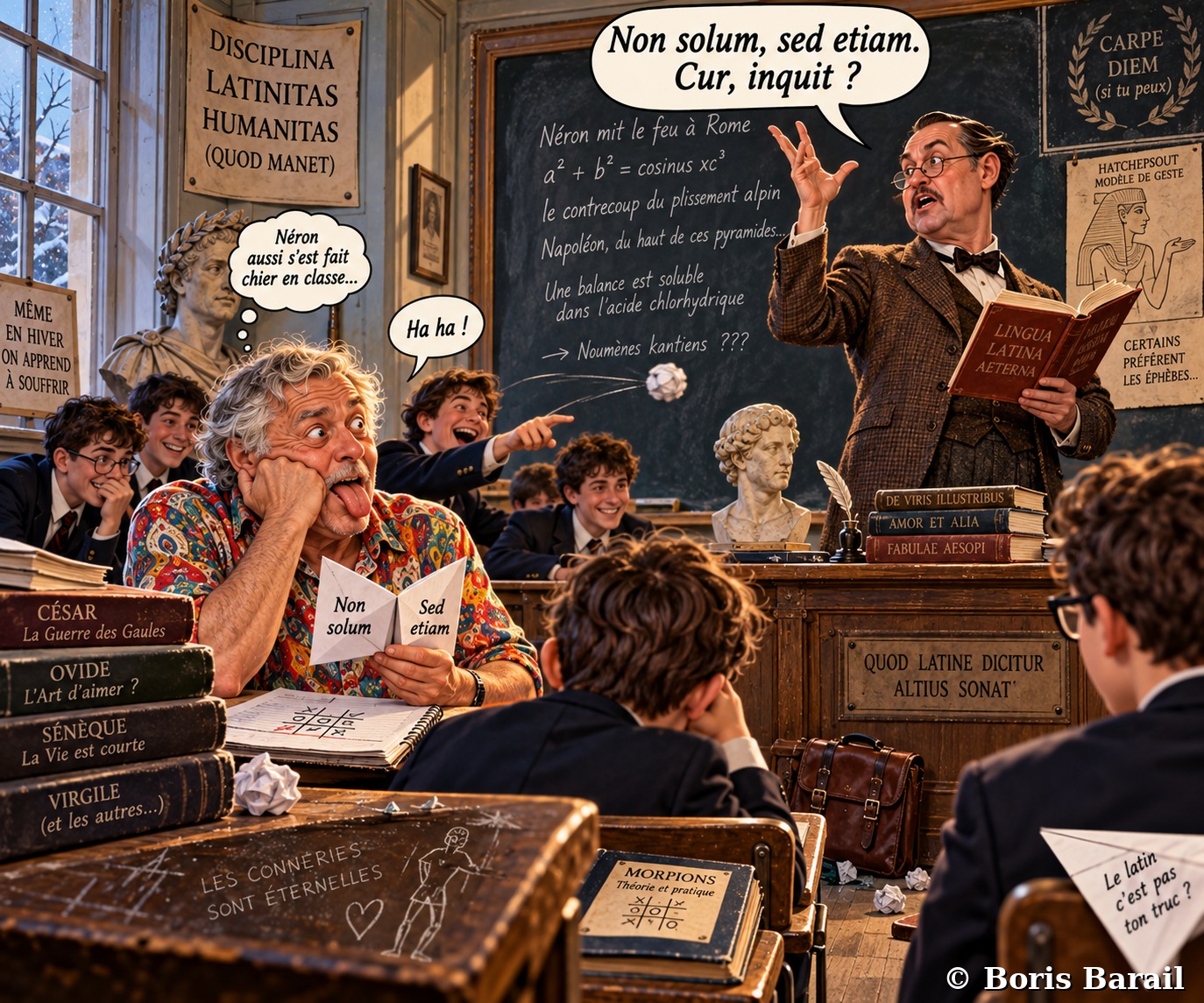
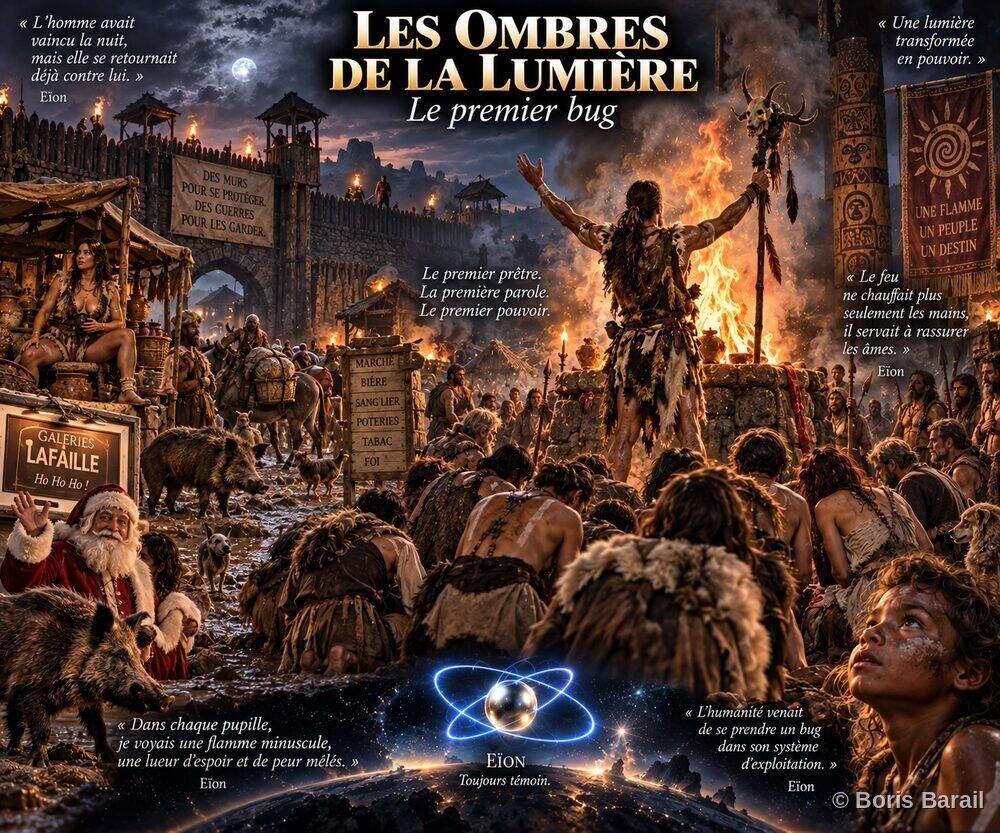
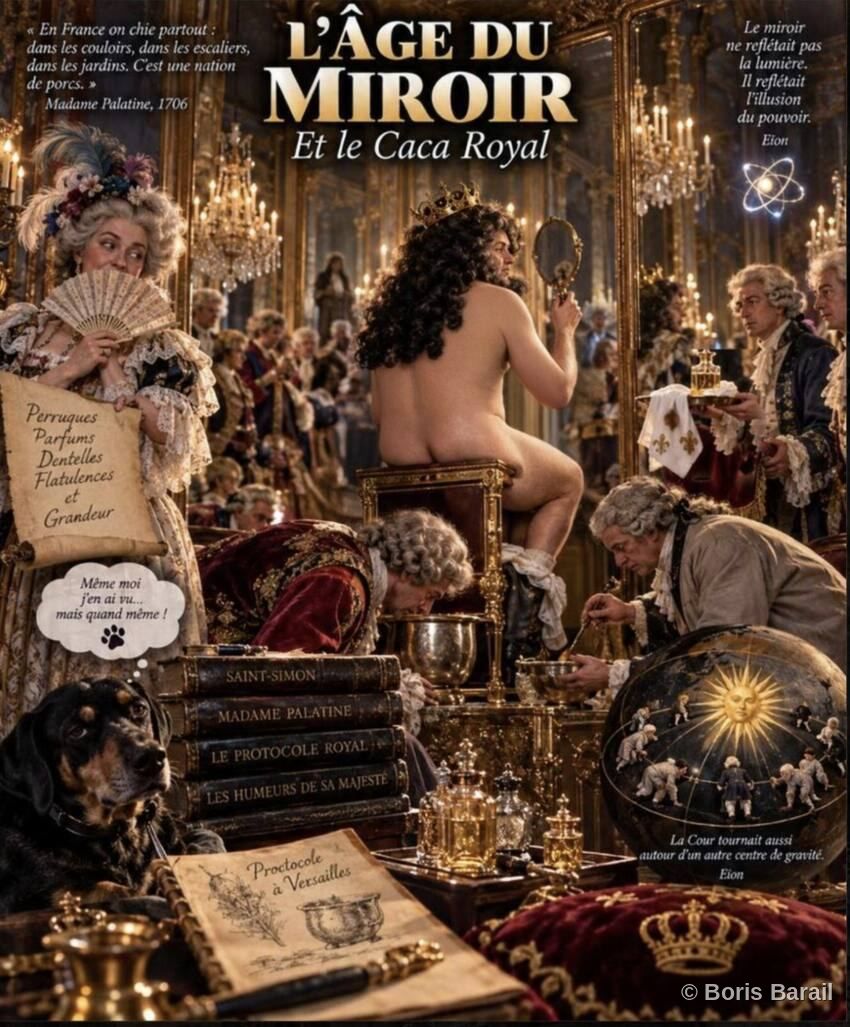
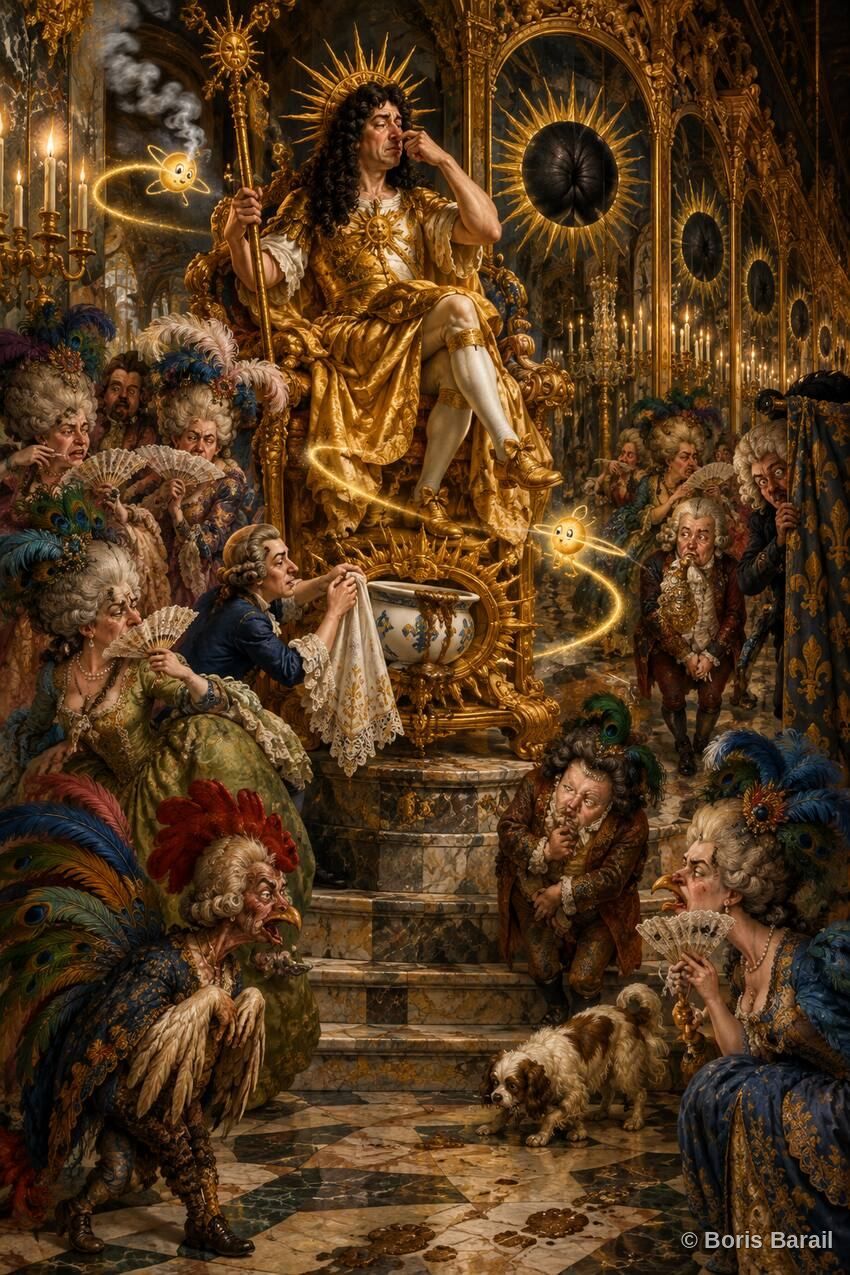
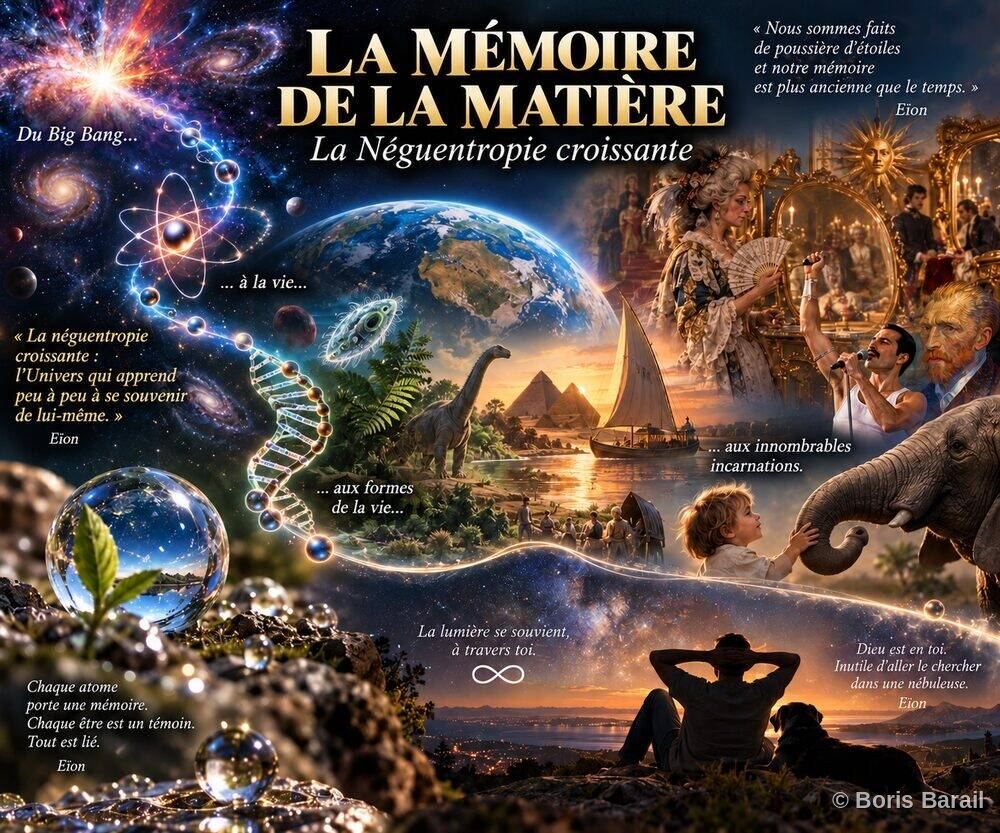
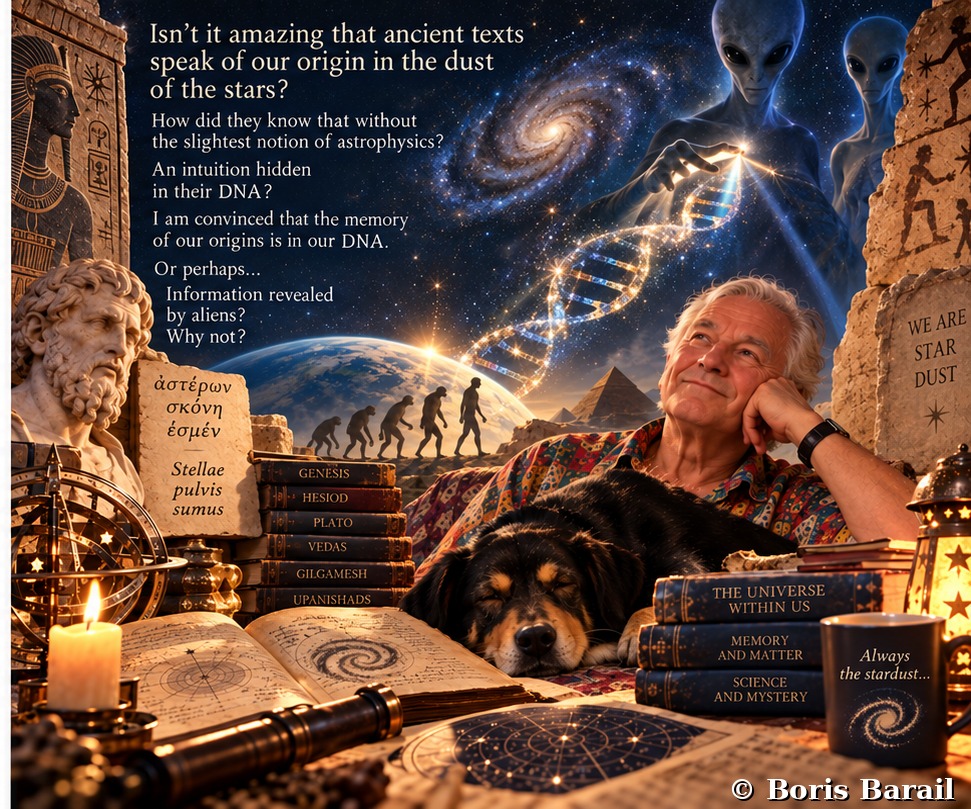
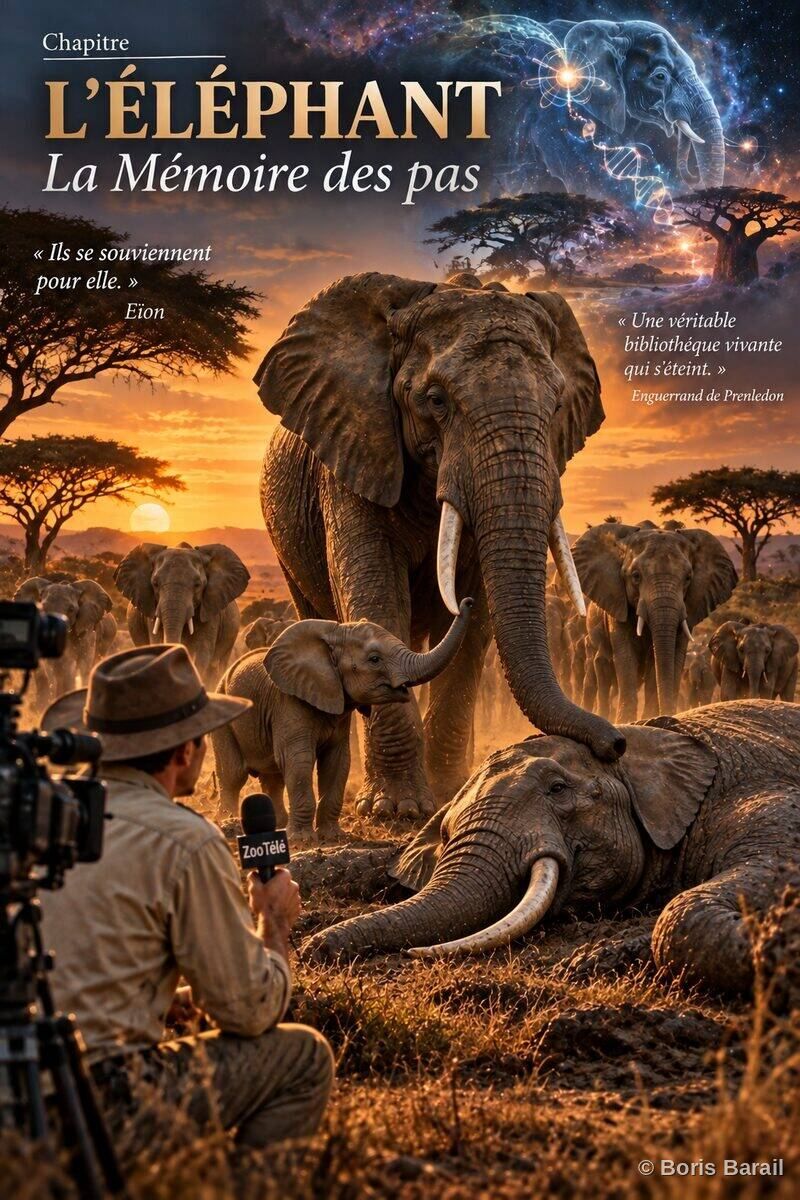
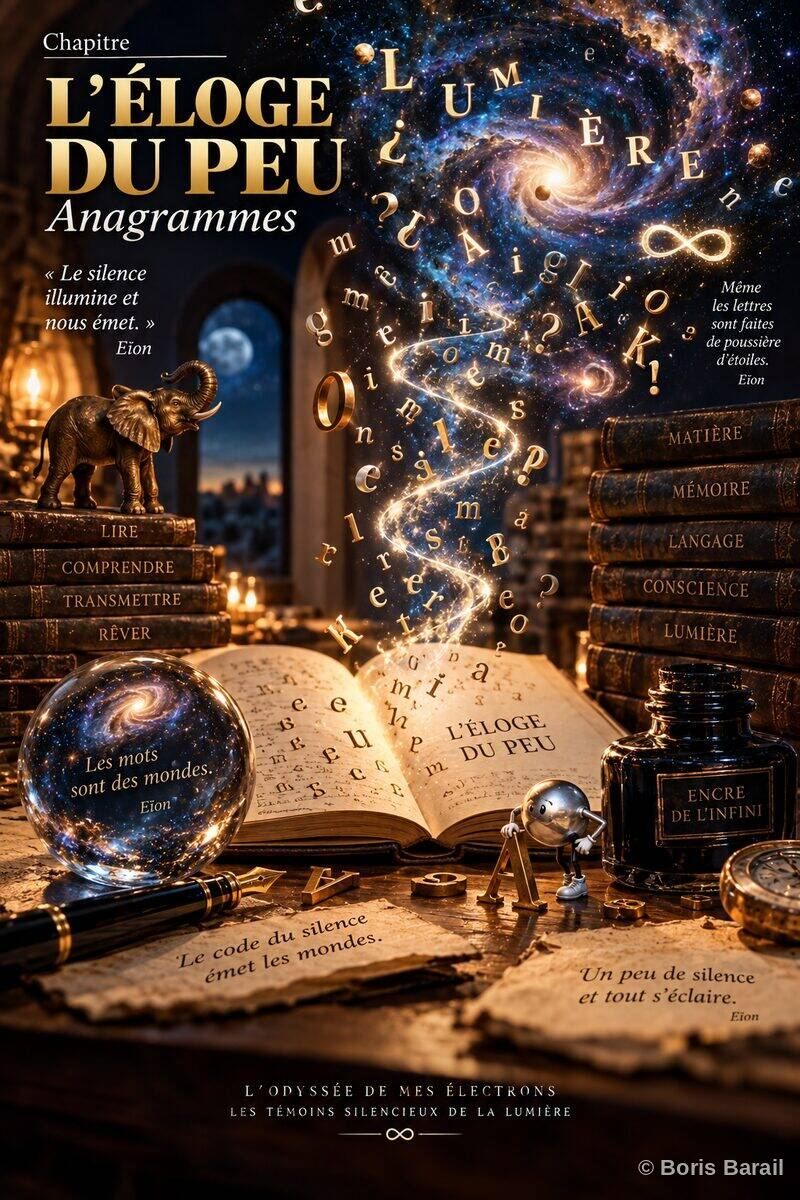
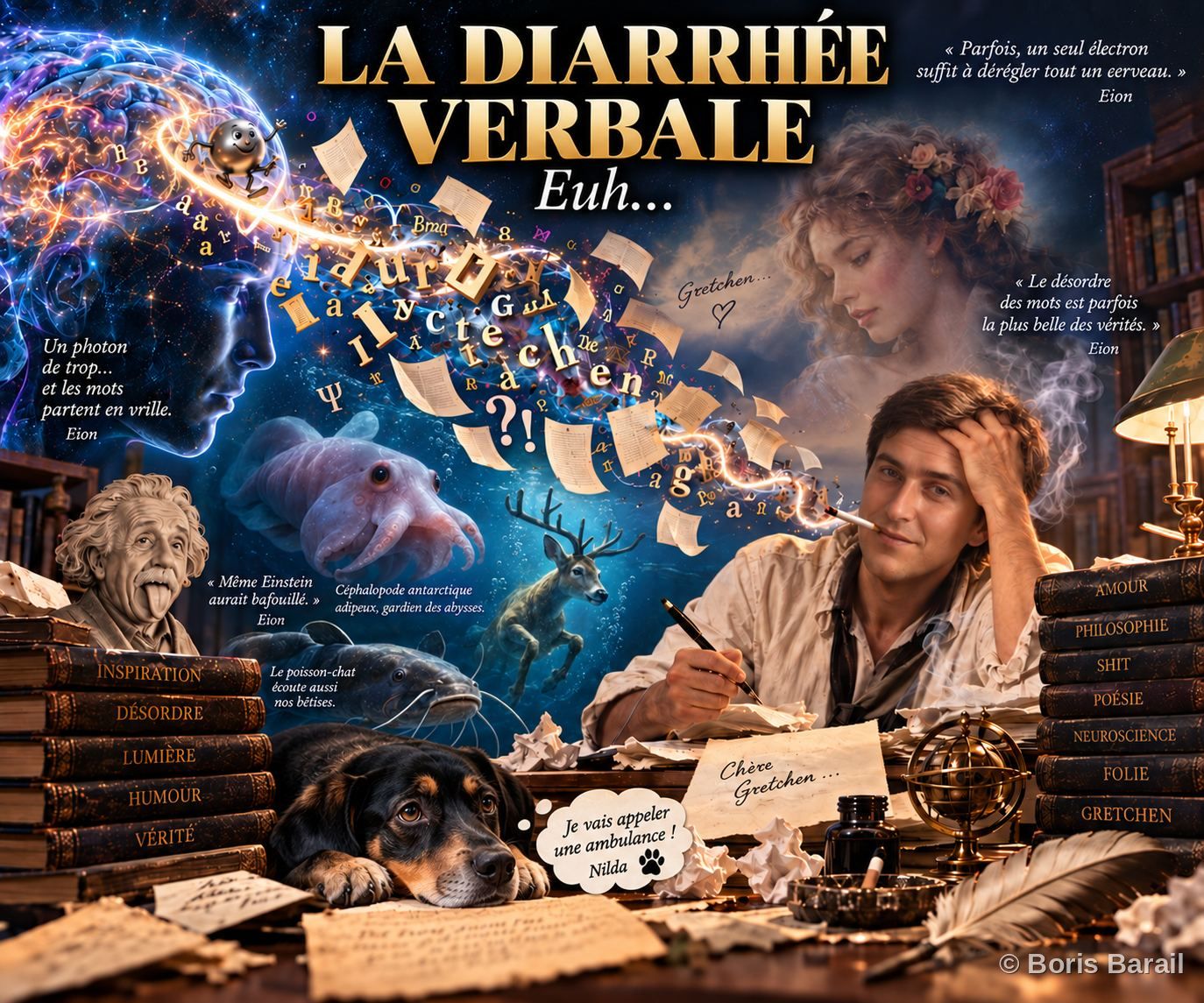
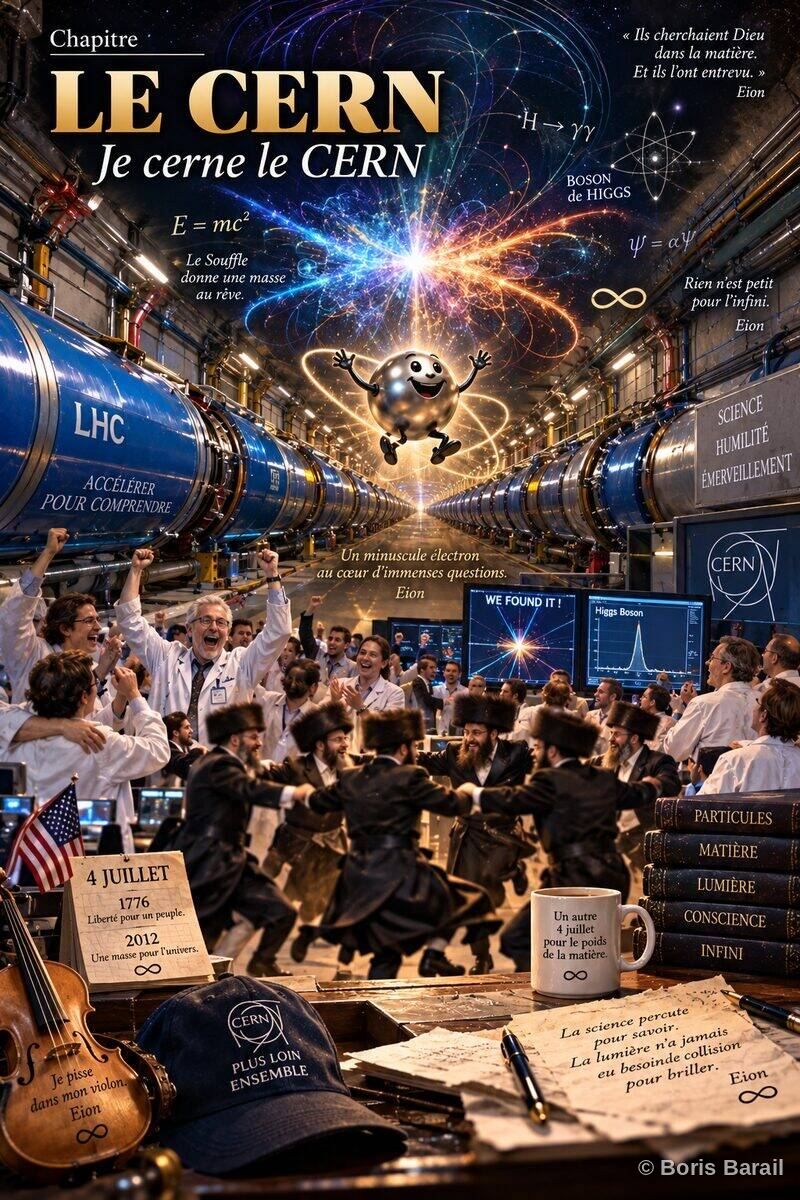
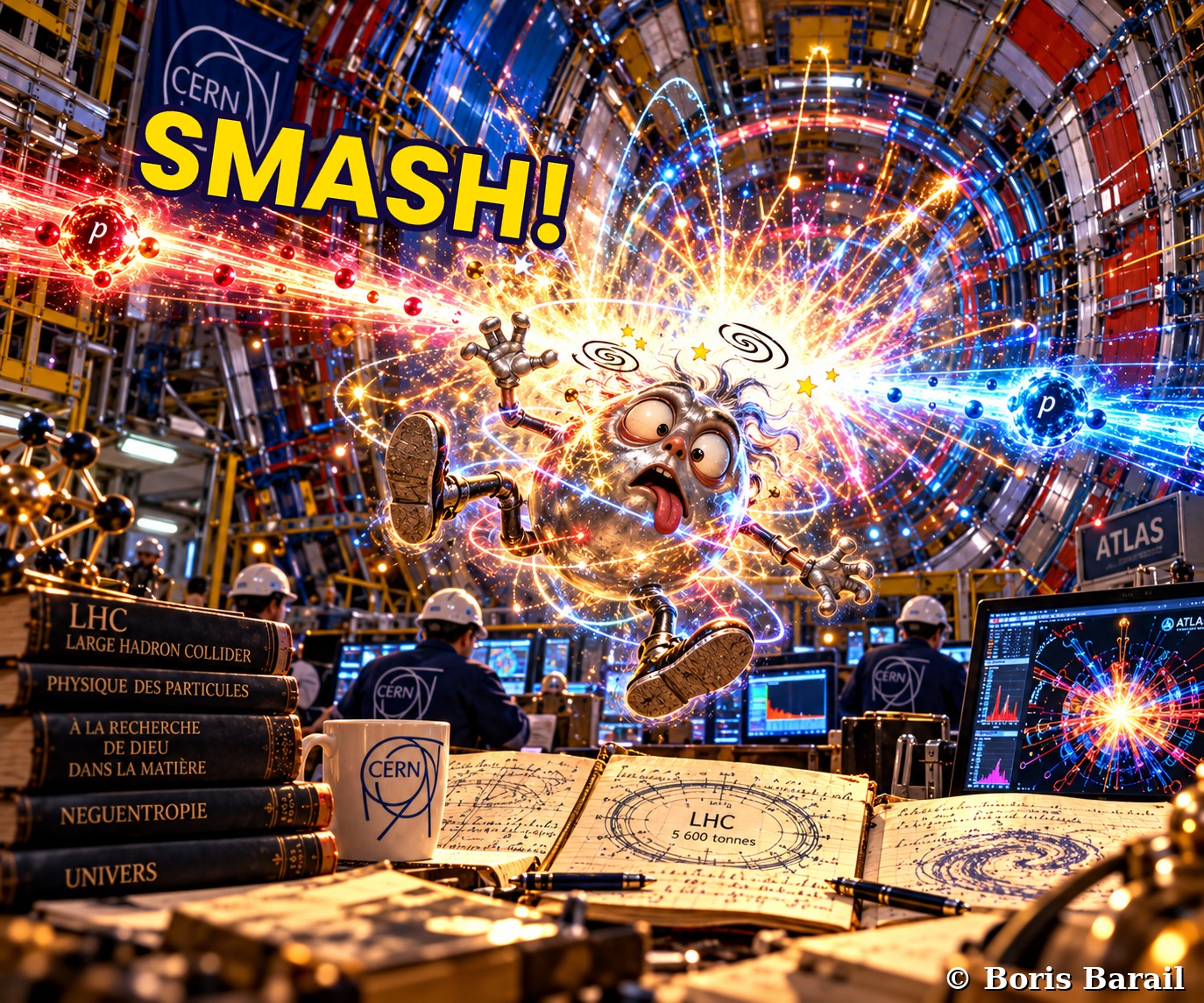
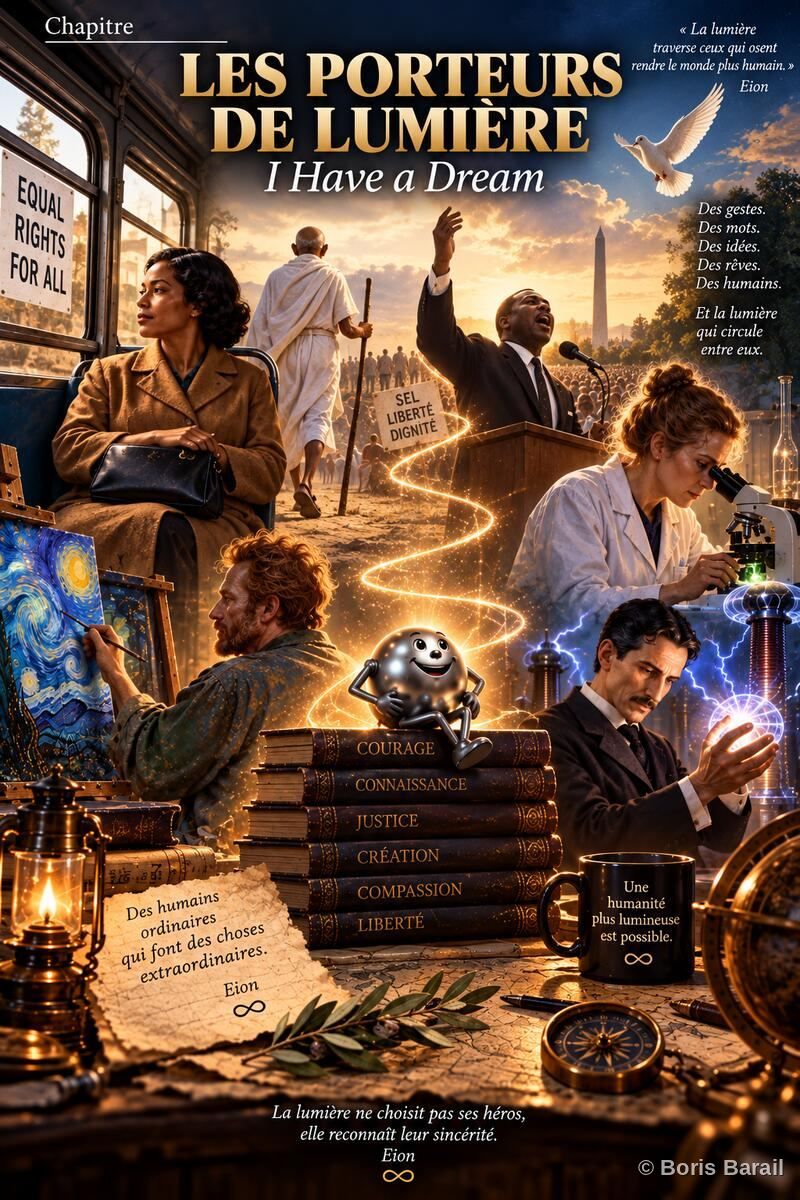
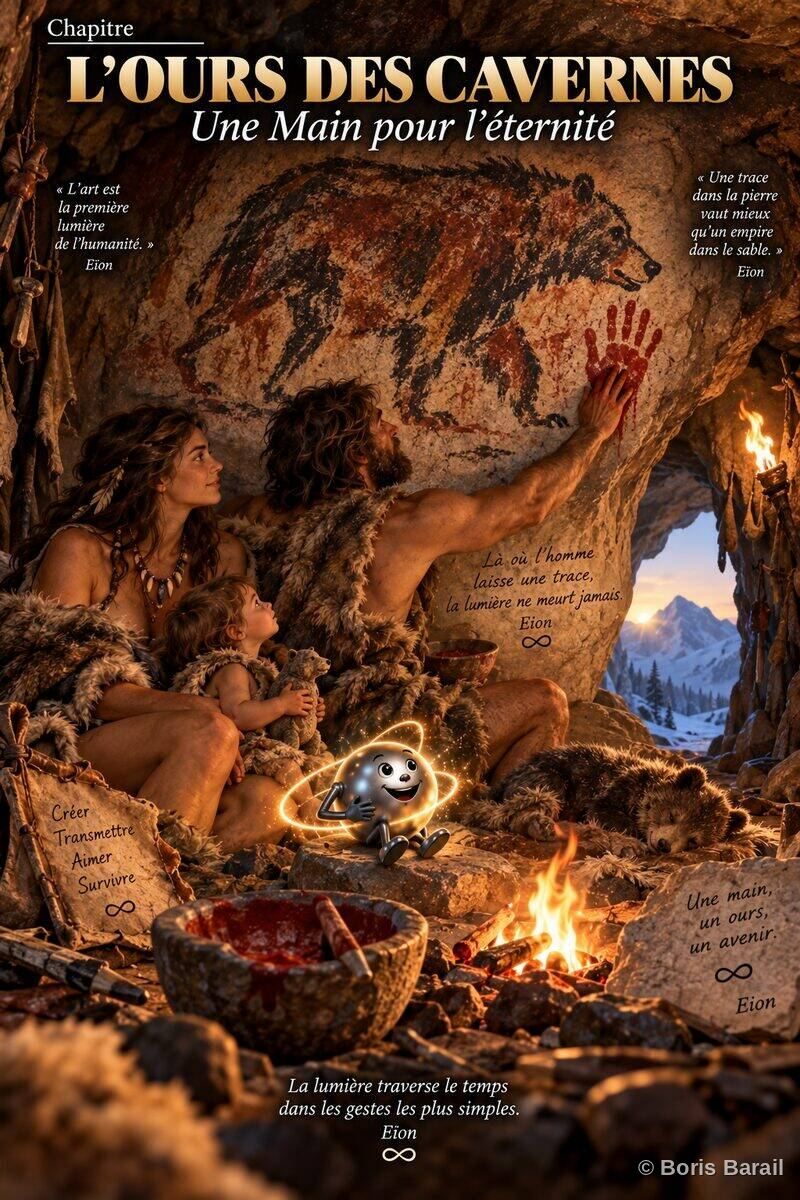
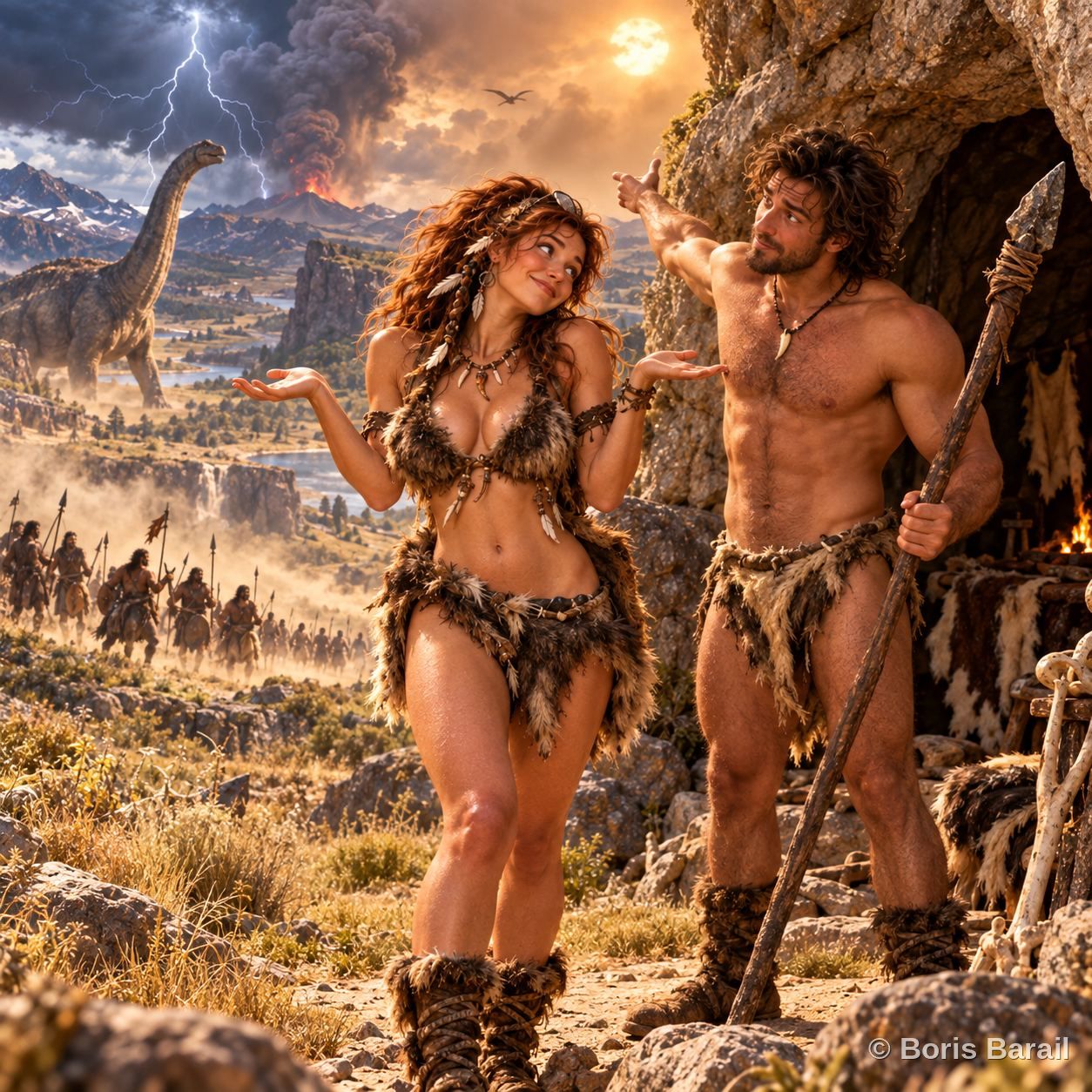
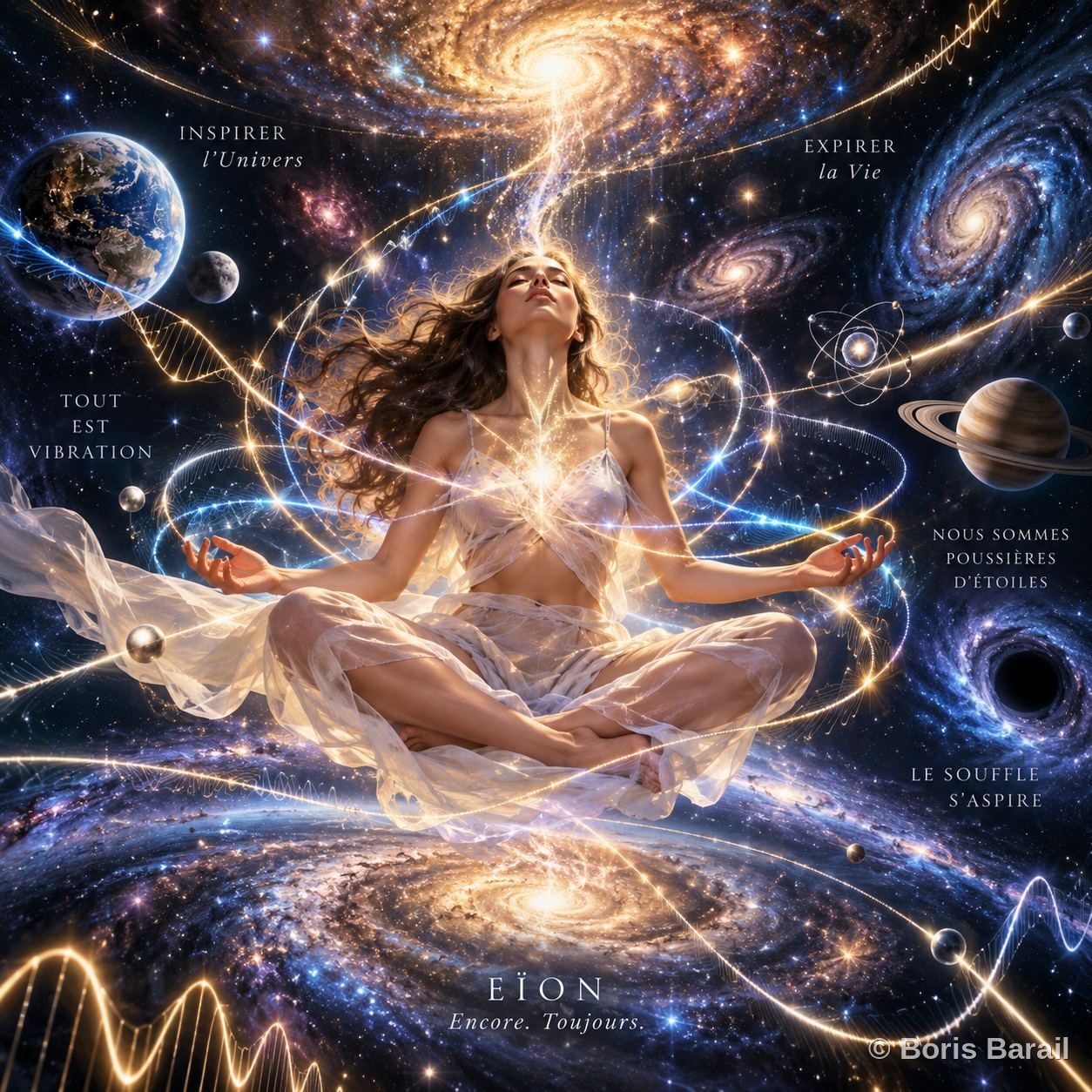
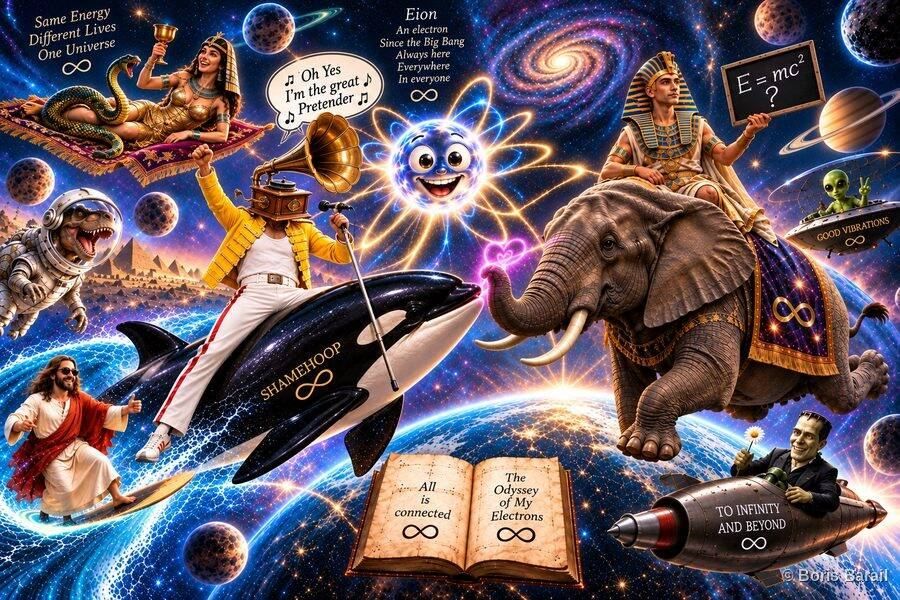
Artwork and visuals from the Odyssey — click any image to enlarge.














Contact
Questions, press, translation rights, or just a note about the book.
Get in touch
Replace this with your real contact details and social links.
Press & rights
For interviews, translation rights, or media inquiries about The Odyssey of My Electrons.
Send an inquiry